top of page

What Is the Best Ginger Powder for Wholesale Buyers?

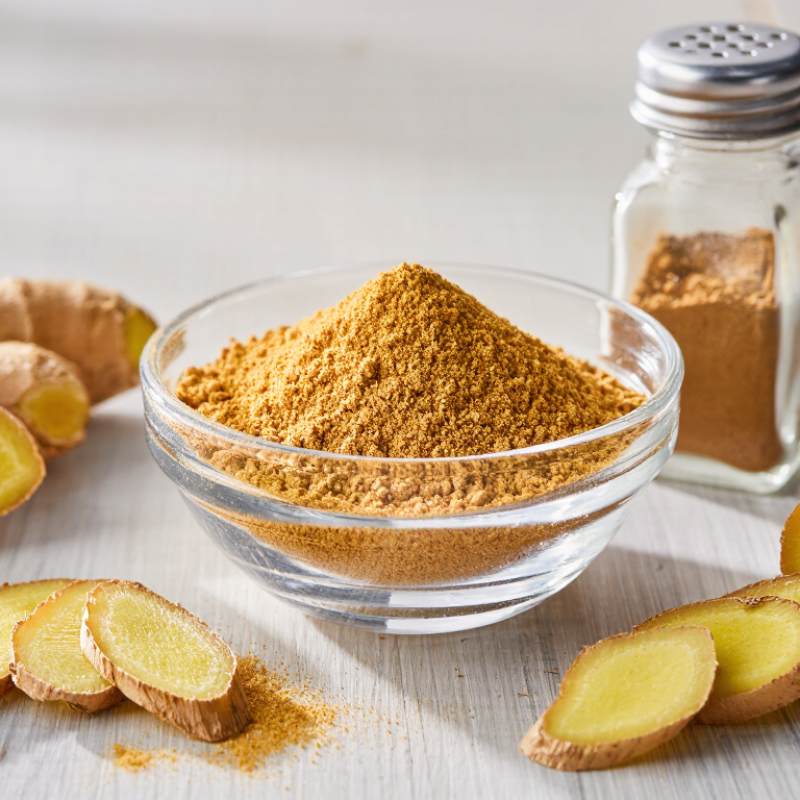
Wholesale buyers cannot judge Ginger Powder by color alone. A bright golden sample may look appealing, yet aroma can fade after milling or poor storage. Grand View Research estimated the broader global ginger market at about US$4.6 billion in 2023, with continued growth projected through 2030. That figure covers ginger products overall, not powder alone, so it signals market momentum rather than a guaranteed sales forecast.

Expertise matters, too. Ginger researcher P. N. Ravindran’s published work examines the plant and its characteristics across varieties and uses. A fair paraphrase of the practical lesson is: “Ginger’s identity and quality depend on both the plant material and how it is handled.” This is a paraphrase, not a verbatim quotation. For buyers, that means asking about origin, drying conditions, mesh size, moisture, and batch-to-batch consistency—not just the price per kilogram.

Small checks matter. Request a recent specification sheet and a representative sample. Smell it after opening; look for a clean, warm aroma, not dusty or stale notes. Then confirm packaging protects the powder from moisture and light during transit. One sample cannot prove every batch will match. That deserves attention.

The best Ginger Powder for wholesale is not automatically the cheapest or the most vivid in color. It is the product whose quality claims are documented, whose sensory profile fits your application, and whose supplier can explain how consistency is maintained. This guide compares those practical buying factors and the questions worth asking before placing a larger order.

What Is the Best Ginger Powder for Wholesale Buyers?

Define Wholesale Requirements by Ginger Origin, Grind Size, and Order Volume

Wholesale buyers should define ginger by origin before comparing quotations. Origin can affect color, aroma, pungency, and supply continuity, but country alone does not guarantee a consistent profile. FAOSTAT’s 2022 crop data put India’s ginger production at roughly 2.2 million tonnes, illustrating the scale of one major sourcing base. Ask suppliers to identify the growing region and provide a recent certificate of analysis, plus a retained sample for sensory checks. The paperwork matters. Still, a sample cannot predict every shipment.

Specify grind size using a sieve or mesh range, not “fine” or “standard.” A finer powder disperses quickly in seasoning blends, while a coarser cut may suit marinades or tea bags. Confirm particle-size limits, moisture, color, and microbiological testing in the purchase specification. Then match order volume to actual use: trial quantities can expose handling issues, while larger contracts may improve freight efficiency but increase storage time and stock risk. There is no perfect volume forecast. Compare minimum order quantities, lead times, packaging, and shelf life against monthly consumption, and agree how out-of-spec lots will be handled before placing the order.

Use ISO 1003:2008 as a Quality Benchmark for Dried Ginger

For wholesale buyers, ginger powder quality begins before milling. ISO 1003:2008 provides a reference for assessing dried ginger, the raw material behind the powder. It helps buyers and suppliers discuss quality using shared criteria rather than appearance alone. A bright yellow color may look appealing, but it cannot confirm aroma, cleanliness, or consistency.

Ask for a specification sheet and test results linked to the exact production lot. Compare the dried ginger’s stated quality with the standard, and check how the supplier handles sampling and storage. Then request powder-specific details, such as particle size, moisture level, and evidence of contamination controls. ISO 1003:2008 focuses on dried ginger; it does not, by itself, define every requirement for finished powder. That distinction matters.

Check the sensory details, too. A fresh, warm aroma should be noticeable when a sample is opened, not hidden behind a stale or musty smell. Ask for a sealed sample before approving a larger order. Paperwork helps. So does a careful sniff. Standards reduce guesswork, but they cannot replace clear lot records or honest communication. And no benchmark makes every batch perfect. A supplier’s response to a small inconsistency can be as revealing as the test report.

What Is the Best Ginger Powder for Wholesale Buyers?

Use ISO 1003:2008 as a Quality Benchmark for Dried Ginger

ISO 1003:2008 specifies quality limits for ginger, including maximum levels for moisture and ash, and a minimum volatile-oil level. Use these figures as specification benchmarks when reviewing supplier test results; the values use different units and are not directly comparable. Confirm the applicable requirements with the official standard and your buyer specification.

Check Moisture (≤12%) and Volatile Oil (≥1.5 mL/100 g) on Test Reports

For wholesale ginger powder, begin with the test report, not the color of a sample alone. A useful purchasing screen is moisture at or below 12% and volatile oil at or above 1.5 mL per 100 g. These are specification targets, not universal guarantees of quality. Moisture above your limit can encourage caking during storage and may shorten shelf life. Check the result against the agreed test method and the specific lot being offered.

Volatile oil contributes to ginger’s characteristic aroma and pungency. Ask for the reported value, test method, laboratory, test date, and lot number. A warm, fresh ginger scent is encouraging, but it cannot replace analysis. Low oil readings may signal weak aroma, yet variety, harvest, drying, and storage can all affect the result. No single number tells the whole story.

Make sure the report matches the goods you will receive. Request a sealed sample, then compare its appearance and aroma with the batch documentation. Ask how the powder was packed and stored, especially if it travels through humid conditions. Moisture and oil figures depend on representative sampling; a polished report from an unrepresentative sample is not very useful. Sampling is easy to overlook. It matters. If readings sit close to your limits, discuss retesting and acceptable tolerances before placing a large order.

Verify Food Safety Controls Against ISO 22000 and FDA FSMA Requirements

What Is the Best Ginger Powder for Wholesale Buyers?

Verify Food Safety Controls Against ISO 22000 and FDA FSMA Requirements

For wholesale buyers, quality begins with more than color, aroma, and a fine grind. Ask how the supplier identifies hazards, approves farms and processors, and prevents contamination during drying, milling, and packing. ISO 22000 provides a framework for a documented food safety management system. It does not replace applicable FDA FSMA requirements. Depending on the supplier’s role and activities, relevant preventive controls, traceability, and supplier-verification duties may apply. Request the current food safety plan details, audit scope, and lot-specific records—not just a certificate. Paperwork can look tidy while a real control is weak. Check the gap.

Good records should connect incoming ginger to the finished batch, with dates, quantities, and corrective actions when limits are missed. Request a sample, then compare its smell, color, and texture with the agreed specification. Confirm packaging protects the powder from moisture and handling damage. Ask who handles complaints and how quickly affected lots can be traced. No single audit or test guarantees safety; consistent controls and clear evidence matter more.
Compare Delivered Cost, Batch Traceability, Packaging, and Supply Capacity

What Is the Best Ginger Powder for Wholesale Buyers?

Compare suppliers on delivered cost, batch traceability, packaging, and dependable supply—not just the price per kilogram. Freight, pallet configuration, receiving labor, and applicable import charges can shift the final cost. Ask for a price per usable kilogram, with inclusions clearly listed. Small details matter. Check whether the powder’s moisture level and particle size suit your process, since caking or uneven texture may create waste. A spreadsheet helps, but it cannot show how easily a bag opens or pours.

Traceability should connect each shipment to a batch record. Request the origin, processing dates, lot code, and relevant quality-test results, such as moisture and microbiological checks. Confirm that the documents match the sample and delivered lot. Packaging needs equal attention: inspect the inner liner, seal, bag strength, and pallet stability. A torn sack or weak closure can expose product to moisture and complicate storage. It is easy to overlook this until receiving day.

Supply capacity means more than a large advertised volume. Ask about minimum order quantities, normal lead times, seasonal variation, and how shortages are communicated. If you need regular deliveries, discuss a realistic schedule and confirm it in writing. Compare performance across more than one shipment when possible. One sample may be excellent; consistency is the harder test. And forecasts can be wrong, so leave room for adjustment.

What Is the Best Ginger Powder for Wholesale Buyers? - Compare Delivered Cost, Batch Traceability, Packaging, and Supply Capacity
Compare written supplier offers using the same product specification and destination. Packaging sizes and documentation vary by supplier; confirm all details in the quotation and product specification.
Comparison dimension Offer A: Lowest quoted price Offer B: Balanced sourcing Offer C: High-volume supply What buyers should verify
Delivered cost May have a low product price; freight, insurance, duties, and local charges can change the total. Compare the total landed cost for the same order quantity and delivery destination. Larger orders may affect freight cost per kilogram, but inventory and storage costs also matter. Use: product cost + freight + insurance + duties/taxes + handling. Confirm which charges are included and the delivery terms.
Batch traceability Check whether each shipment has a lot or batch code linked to its production records. Request a lot-specific certificate of analysis (COA) and the corresponding batch identification. For repeat orders, confirm that lot records can be supplied for each shipment. Check traceability from raw material through processing and packing; confirm the COA matches the lot delivered.
Quality documentation A product specification may describe appearance, aroma, and other agreed requirements. Agree on relevant tests before ordering, such as microbiological criteria, moisture, and contaminant limits. Ask how specifications and test records are maintained across repeat production lots. Set acceptance limits in the purchase specification. Test methods and applicable limits depend on the buyer’s market and intended use.
Packaging Smaller packs can be easier to handle but may increase packaging and handling cost per kilogram. A lined bulk bag, such as a 25 kg sack, is a commonly offered format; confirm the actual pack size. Bulk formats may suit larger operations if receiving equipment and storage conditions are suitable. Confirm food-contact packaging, inner liner, net weight, seal integrity, palletization, and protection from moisture.
Supply capacity A low minimum order does not by itself confirm the ability to supply larger repeat orders. Request confirmed available quantity, lead time, and the planned shipment schedule. Ask for written monthly or seasonal capacity and how allocations are handled during peak demand. Treat capacity as supplier-specific; verify it with a current written commitment rather than relying on a general claim.
Best fit Buyers prioritizing initial price, provided the full landed cost and quality requirements are acceptable. Buyers balancing landed cost, lot documentation, manageable packaging, and repeat-order planning. Buyers with predictable demand, suitable bulk-handling facilities, and confirmed supply commitments. Choose against your own specification, destination, order volume, and delivery schedule—not on unit price alone.
Buyer note: The offer profiles above are comparison scenarios, not supplier quotations or verified supplier capacity claims. Request current, destination-specific quotes and lot-specific documents before placing an order.
  • LinkedIn Social Icon

© 2024 by LIPOND INTERNATIONAL INC. All rights reserved. Blog

bottom of page