top of page

What Is Ginger Powder and How Is It Used?

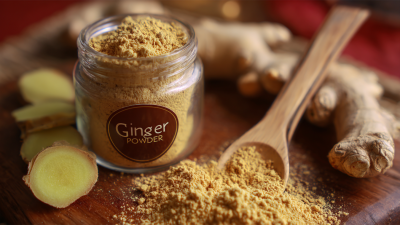
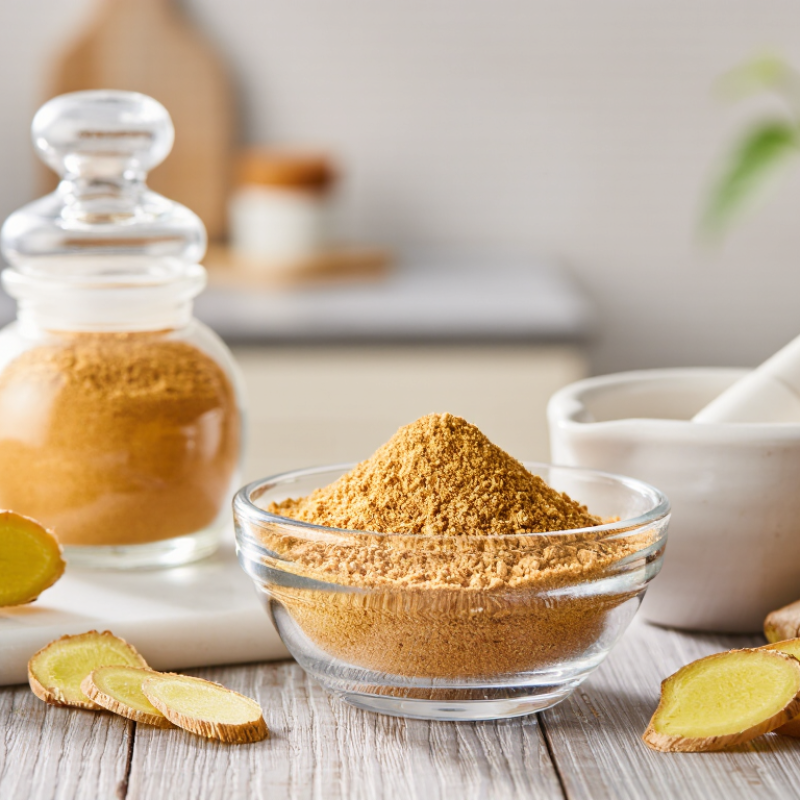
Ginger Powder begins with a familiar root, but its journey from fresh rhizome to pantry jar deserves closer attention. The ginger rhizome is washed, dried, and ground into a fine, warm-colored powder. Its aroma can suggest lemon, pepper, and gentle heat. A small pinch can change an entire dish.

Dr. Tieraona Low Dog, an integrative medicine physician and herbal expert, has said, “Ginger is one of the most widely used herbs in the world.” That widespread use reflects its practical value, not proof of unlimited benefits. Ginger Powder appears in curries, biscuits, marinades, teas, soups, and spice blends. It can also add warmth to smoothies, although its flavor becomes sharp quickly. Start with less.

The quality of Ginger Powder depends on the plant, drying method, storage, and grinding process. A fresh-smelling powder with a golden tan color is usually more appealing than a dull, stale sample. Yet appearance cannot prove purity. Check the ingredient label, country of origin, packaging date, and storage guidance. Keep the container sealed and away from heat, steam, and sunlight.

This ingredient is useful, but it is not magic. That distinction matters. Research has examined ginger for several traditional and modern uses, while individual responses can differ. People taking medication or managing a health condition should seek qualified medical advice. Even experienced cooks sometimes add too much. The lesson is simple: use Ginger Powder thoughtfully, observe its flavor, and question exaggerated claims.
What Is Ginger Powder and How Is It Used?

What Ginger Powder Is and How It Is Made

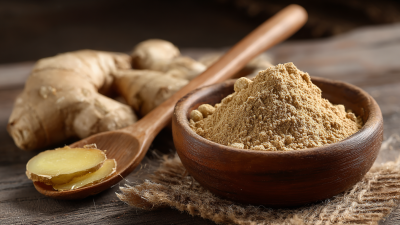
Ginger powder is made from the dried rhizomes of Zingiber officinale. It is not produced from the plant’s roots, although many people call them roots. Fresh rhizomes are cleaned, sorted, and sliced before drying. Some processors peel them first. Others retain the skin to reduce waste. The choice affects color and flavor.

Drying removes most moisture and concentrates ginger’s sharp aroma. The dried slices are then milled into a fine, pale-gold powder. Grinding temperature matters. Excess heat can weaken volatile oils, which carry much of ginger’s fresh scent. Codex Alimentarius Standard CXS 218-1999 covers dried or dehydrated ginger, including ground forms and quality requirements. It also recognizes that appearance, moisture, and foreign matter need careful control.

The process is not perfectly uniform. Drying speed changes with slice thickness, airflow, and humidity. That variability matters. FAOSTAT recorded roughly 4.9 million tonnes of ginger production worldwide in 2022, showing the scale of this agricultural ingredient. Trade classifications also separate fresh ginger from dried ginger powder, reflecting different processing and storage conditions. In kitchens, the powder blends easily into sauces, biscuits, spice mixes, and warm drinks. It tastes more concentrated than fresh ginger, but it lacks fresh ginger’s bright, juicy character. A practical mistake is using equal amounts of both forms. Usually, a smaller quantity of powder is enough. Freshness still needs checking: stale powder may look acceptable, yet smell flat.

The Main Nutrients and Active Compounds in Ginger Powder

Ginger powder is made from dried ginger root, ground into a fine, warm-spiced powder. It contains small amounts of fiber, potassium, magnesium, manganese, and vitamin B6. The exact nutrition depends on the ginger variety, drying method, and serving size. A teaspoon adds flavor with relatively few calories.

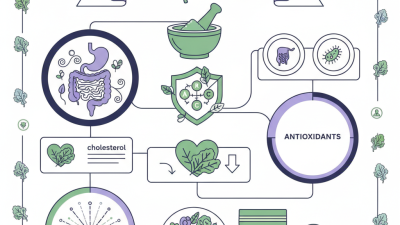
Its best-known active compounds are gingerols, which give fresh ginger its sharp heat. Drying can convert some gingerols into shogaols, producing a deeper, hotter taste. Another compound, zingerone, contributes a softer, slightly sweet aroma, especially after heating. These compounds are being studied for antioxidant and digestive effects, but they should not be treated as guaranteed medical treatments.

In practical cooking, I use ginger powder in oatmeal, soups, marinades, and warm drinks. A small pinch can noticeably change a dish. It also blends more evenly than fresh ginger in baked foods. Yet powder can taste dusty when stored too long. That detail matters. Airtight storage away from heat helps preserve its aroma. Research findings can also vary because studies use different extracts and doses. People taking medication or using large amounts should seek professional advice, since concentrated ginger may not suit everyone.

Common Culinary and Beverage Uses of Ginger Powder

Ginger powder is made from dried ginger root, ground into a warm, fragrant spice. It tastes sharper and more concentrated than fresh ginger. Its earthy heat works well in sweet and savory recipes. I use it when fresh ginger is unavailable or when a smooth texture matters.

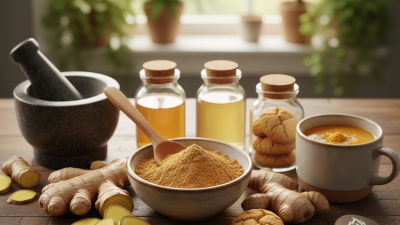
In baking, ginger powder adds depth to cookies, cakes, muffins, and spiced breads. It also blends easily into oatmeal, fruit compotes, and homemade granola. For savory dishes, stir it into soups, curries, marinades, or roasted vegetables. Start with a small amount, because its flavor can become bitter when overused. I sometimes add too much to a stew, and the ginger dominates everything else. That mistake is useful, though. It teaches better portion control.

Ginger powder is also practical in beverages. Whisk a pinch into hot water with lemon, or add it to tea, cocoa, smoothies, and warm milk. It disperses better when mixed with a little liquid first. Tips: Begin with one-eighth teaspoon per serving, then adjust slowly. Store the powder in a sealed container away from heat and sunlight. Check its aroma before use; a weak smell often means reduced freshness. Straining a ginger drink can remove small clumps. Fresh ginger remains better for bright, juicy flavor, so powder is not always the ideal substitute.

What Is Ginger Powder and How Is It Used?

Ginger powder is dried, ground ginger root. It is commonly used in curries, marinades, baked goods, spice blends, teas, chai, and other warm beverages.

The chart shows selected nutrient values for ground ginger per 100 grams, based on USDA FoodData Central data. In everyday cooking, much smaller amounts are typically used to add a warm, spicy, slightly citrus-like flavor.

Common uses include seasoning soups and curries, flavoring cookies and cakes, adding warmth to marinades, and mixing into ginger tea, chai, smoothies, or hot water with lemon.

Traditional and Potential Health Applications

What Is Ginger Powder and How Is It Used?

Traditional and Potential Health Applications

Ginger powder is made from dried ginger root, ground into a warm, golden-brown spice. Its flavor is sharper than fresh ginger, with peppery and slightly sweet notes. Across many food traditions, people add it to tea, soups, rice dishes, baked goods, and spice blends. Some households also use it in warm water after a heavy meal. These practices are traditional, not guaranteed treatments.

Modern research has examined ginger for nausea, digestive discomfort, and menstrual pain. Some studies report helpful effects, but results vary by preparation, amount, and individual health. The evidence is promising, but tidy. Ginger may also interact with medicines that affect bleeding or blood sugar. Pregnant people, children, and anyone taking regular medication should ask a qualified healthcare professional before using concentrated amounts. Food-level use is generally different from supplement use.

Tips: Start with a small amount, such as a pinch in tea or about one-quarter teaspoon in cooking. Mix it with lemon, honey, or warm milk if the taste feels too strong. Store the powder in a sealed container away from heat and moisture. Check the aroma before use; stale ginger often smells flat. Avoid assuming “natural” means risk-free. My own practical view is simple: ginger works best as a flavorful food, while health claims deserve careful questioning.

Proper Storage, Dosage, and Safety Considerations

What Is Ginger Powder and How Is It Used?

Proper Storage, Dosage, and Safety Considerations

Ginger powder is dried ginger root, milled into a warm, aromatic spice. It works well in oatmeal, soups, marinades, and caffeine-free drinks. Keep it in an airtight glass jar, away from steam, sunlight, and the stove. USDA FoodKeeper guidance places ground spices at roughly two to three years for best quality. The powder may remain safe longer, but its smell can fade.

Dosage needs care. There is no universally established daily amount for every purpose. NCCIH evidence summaries report studied adult doses ranging from about 170 milligrams to 4 grams daily. That range is wide. A practical kitchen starting point is ¼ teaspoon, close to 0.5 grams, with food. Measure it, rather than guessing with a crowded spoon. More is not automatically better.

Safety still matters. Common reactions include heartburn, stomach discomfort, diarrhea, and mouth irritation, especially at higher amounts. The European Medicines Agency notes that ginger preparations may require caution in people with gallstones. Ginger can also affect bleeding risk, so discuss regular use with a clinician if you take anticoagulant or antiplatelet medicine, or before surgery. Pregnancy deserves individualized advice; research often uses lower doses, but personal medical history changes the decision. Stop using it if symptoms persist. I would not treat a spice as risk-free simply because it is natural.

What Is Ginger Powder and How Is It Used? — Proper Storage, Dosage, and Safety Considerations
Data Dimension Key Information Practical Guidance
What ginger powder is Ginger powder is made by drying and grinding the rhizome of Zingiber officinale. It has a warm, pungent flavor and contains naturally occurring compounds such as gingerols and shogaols. It can be used as a culinary spice or included in certain dietary supplements.
Common culinary uses It is commonly added to baked goods, curries, soups, sauces, marinades, beverages, and spice blends. Because powdered ginger is concentrated and disperses quickly, begin with a small amount and adjust to taste.
Approximate kitchen measure One level teaspoon of ground ginger generally weighs about 2 grams, although the weight varies with particle size and how tightly it is packed. Use a kitchen scale when a precise amount is important; volume measures are only approximate.
Typical supplemental amount studied Human studies have used a range of amounts, often approximately 1–2 grams of powdered ginger per day, depending on the purpose and study design. There is no single universally established dose for every use. Follow the product directions and seek professional advice for regular supplementation.
Use during pregnancy Ginger has been studied for pregnancy-related nausea, but safety depends on the amount, timing, and individual health circumstances. Pregnant individuals should consult a qualified healthcare professional before using ginger powder as a supplement, especially in amounts above normal food use.
Best storage conditions Keep ginger powder in a tightly sealed, dry container away from heat, light, steam, and humidity. A cool, dark pantry is generally more suitable than a location beside a stove, sink, or dishwasher.
Moisture protection Moisture can cause clumping, flavor loss, and possible spoilage. Introducing a wet spoon into the container increases this risk. Use a clean, completely dry measuring spoon and close the container promptly after each use.
Quality shelf life Ground spices commonly retain their best flavor for about 2–3 years when stored properly, but quality can decline earlier after opening. Check the package date when available, but rely on aroma, color, and flavor to judge freshness rather than date alone.
Signs of quality loss Weak aroma, faded color, stale flavor, or persistent hard clumps may indicate that the powder has lost quality. Discard it if there is visible mold, unusual discoloration, an off odor, insect activity, or evidence of moisture contamination.
Possible digestive effects Larger amounts may cause heartburn, stomach discomfort, diarrhea, or mouth and throat irritation in some people. Reduce the amount or stop using it if symptoms occur. Food-level use is generally less concentrated than supplement use.
Medication considerations Supplemental ginger may be relevant to people taking anticoagulant or antiplatelet medicines, medicines that affect blood sugar, or medicines that affect blood pressure. Ask a healthcare professional or pharmacist before regular supplemental use if you take prescription medicines or have a bleeding disorder.
Gallbladder considerations Ginger may stimulate digestive secretions, and people with gallstones or gallbladder conditions may need individualized guidance. Consult a healthcare professional before using concentrated ginger supplements if you have a gallbladder disorder.
Allergy and sensitivity Although uncommon, allergic reactions or sensitivity to ginger can occur. Symptoms may include rash, itching, swelling, or breathing difficulty. Stop use and seek urgent medical care for serious symptoms such as facial swelling or difficulty breathing.
Food versus supplement use The amount used in ordinary cooking is typically smaller and less concentrated than many supplement doses. Do not assume that a culinary amount and a concentrated extract have equivalent effects or safety profiles.
General safety principle Ginger powder is widely used as a food ingredient, but evidence and appropriate dosing can vary by health condition and preparation. Use moderate amounts, follow professional advice when appropriate, and treat persistent or severe symptoms with medical care rather than self-treatment.

Important: This table provides general educational information and is not a substitute for individualized medical advice, diagnosis, or treatment.

  • LinkedIn Social Icon

© 2024 by LIPOND INTERNATIONAL INC. All rights reserved. Blog

bottom of page