top of page

10 Tips for Buying Organic Tomato Powder in Bulk

Buying Organic Tomato Powder in bulk can seem simple until a shipment arrives with uneven color, flat aroma, or clumps that resist the mixer. Price matters, but so do ingredient origin, organic documentation, moisture control, particle size, packaging, and a supplier’s willingness to share current specifications. A sample tells you more than a glossy catalog. So does a clear answer about lot traceability.

An illustrative sourcing specialist, Elena Brooks, offers this buyer’s rule: “Buy the specification, not just the red powder.” This is an original editorial line, not a verified quotation from a real expert. It captures a practical point: two powders can look similar in a jar yet behave differently in soups, seasoning blends, and dry mixes. Ask about tomato variety, drying method, color range, testing, and storage conditions. Then compare the landed cost per usable kilogram, not only the quoted bulk price.

This guide covers ten checks for evaluating Organic Tomato Powder suppliers, from documentation and sample testing to minimum orders, shelf life, and delivery consistency. Keep notes. Small differences matter. A sample may taste bright, while a production lot feels dull; that deserves a follow-up, not an excuse. No checklist removes every risk, but careful questions can make a large purchase less uncertain. And yes, the cheapest offer may still be right—if the evidence holds up.
10 Tips for Buying Organic Tomato Powder in Bulk

Define Your Bulk Organic Tomato Powder Requirements

Before comparing suppliers, define how the powder will be used. A soup manufacturer may need a fine texture that disperses quickly, while a seasoning blend may benefit from a coarser grind. Write down the required color, tomato intensity, particle size, and target quantity. Be specific. “Bright red” is subjective; a reference sample or agreed color range gives buyers and suppliers a clearer starting point. Also estimate monthly use and storage capacity, since a large order can lose freshness if it sits open too long.

Set practical quality and paperwork requirements before asking for a bulk quote. Request the organic certificate and confirm that its scope covers the product being offered. Ask for a recent specification sheet and batch-specific test documents, including moisture and microbiological results where available. Check the ingredient list for carriers, anti-caking agents, or added salt if these could affect your recipe. Packaging matters, too: lined, sealed bags may protect powder from humidity, but confirm bag size and opening method with the people who will handle it. Keep a sample for a small production trial. It may reveal clumping or a flavor difference that a specification sheet cannot. I would not assume every “organic tomato powder” behaves the same. Define acceptable variation, shelf-life expectations, and delivery timing in writing before settling on an order size.

10 Tips for Buying Organic Tomato Powder in Bulk: Define Your Requirements

Set your certification and formulation requirements before requesting bulk quotes. USDA labeling thresholds are based on the percentage of organic ingredients, excluding water and salt; confirm the product’s certification and label eligibility with the supplier and certifier.

Verify Organic Certification and Supplier Credentials

Organic claims deserve document-level checks, not just a logo on a sample pouch. The Organic Trade Association’s 2024 Organic Industry Survey estimated U.S. organic sales reached $69.7 billion in 2023, up 3.4% from 2022. That growth makes careful supplier verification especially important. A certificate should identify the supplier, certifying agent, and relevant product or handling scope.

Tip: Request the current organic certificate. Check the certifier and supplier in the USDA Organic Integrity Database. Confirm that the scope covers processing or handling tomato powder, not only growing tomatoes. Match the business name and address across the certificate, quotation, and purchase documents. Ask who handles the powder between drying, milling, and packing.

Paperwork can look convincing. It can still be stale. Request lot-specific traceability records and a certificate of analysis, then confirm that the lot number matches the sample and planned shipment. Organic certification covers compliance with organic production and handling standards; it does not guarantee a product is residue-free or consistent in color and flavor. Ask how the supplier controls moisture, storage, and cross-contact. A missing detail is not proof of a problem, but it is a reason to pause and ask.

10 Tips for Buying Organic Tomato Powder in Bulk — Verify Organic Certification and Supplier Credentials

Tip What to verify Evidence to request Why it matters
1. Confirm the applicable organic standard Identify the organic rules required in the country where the powder will be sold, such as USDA Organic requirements in the United States or the applicable EU organic rules in the European Union. A current organic certificate or equivalent documentation for the relevant market. Organic requirements and accepted certification arrangements depend on the destination market.
2. Check the certifier independently Confirm that the named certification body is authorized or accredited under the relevant organic program and that its status is current. Certifier name and certificate number; verify them using the applicable official directory or by contacting the certifier through independently sourced contact details. A certificate image alone does not establish that the certifier or certificate is valid.
3. Match the certificate to the product and activity Check that the certified operation and scope cover the relevant handling or processing activities and the organic product being offered—not just an unrelated product or site. Certificate scope, product schedule, and the certified operation’s legal name and address. Organic status needs to be supported across the applicable supply-chain activities.
4. Check dates and certificate status Review issue and expiry dates where shown, and ask the certifier or use its official verification system to confirm the certificate has not been suspended or withdrawn. Current certificate plus confirmation from the certifier or official database when available. An old or superseded document may not reflect the supplier’s current certification status.
5. Trace the lot to its source Ask how each lot is linked to its raw-material source, processing site, and shipment records. Check that the lot or batch number appears consistently on documents and packaging. Lot-specific traceability records, packing list, and product label or bag markings. Traceability helps investigate quality issues and supports verification of a specific shipment.
6. Review transaction and import documentation For cross-border purchases, confirm which organic transaction, import, or electronic certificate records are required for the destination market and shipment. Applicable shipment records, transaction documents, and import documentation, matched to the product and lot. A supplier’s general certificate may not replace documentation required for a particular import or transaction.
7. Confirm ingredients and processing aids Request the full ingredient statement and ask whether carriers, anticaking agents, preservatives, or processing aids are used. Confirm that any additional ingredients meet the relevant organic rules and are declared as required. Product specification, ingredient declaration, and relevant certification documentation. “Organic tomato powder” may not mean the product contains only tomato; formulations and labeling rules can differ.
8. Request lot-specific quality results Review a certificate of analysis (COA) for the actual lot. Agree on relevant specifications, such as moisture, color, particle size, microbiological criteria, and contaminant testing, before ordering. Lot-matched COA, test methods, and any available laboratory details. Set acceptance limits based on your intended use and applicable regulations. A COA supports quality evaluation but does not, by itself, prove organic certification.
9. Assess handling and packaging controls Ask how organic product is identified, segregated, packed, and protected from moisture, pests, and cross-contact during storage and transport. Written handling procedures, packaging specifications, storage conditions, and shipment details. Good handling and sealed, suitable packaging help preserve product integrity during bulk storage and transit.
10. Verify the supplier’s business and sample the product Confirm the supplier’s legal business details and ability to provide consistent documentation. Before a large order, evaluate a representative sample for color, aroma, solubility, and suitability for your process. Business registration details, references or audit information where appropriate, a sample, and written specifications for the intended order. A sample and documented specifications help assess product fit; business checks complement, but do not replace, organic verification.

Note: Organic certification and labeling requirements vary by market. Verify requirements with the relevant official organic program or certification body before purchase.

Evaluate Product Quality, Ingredients, and Test Results

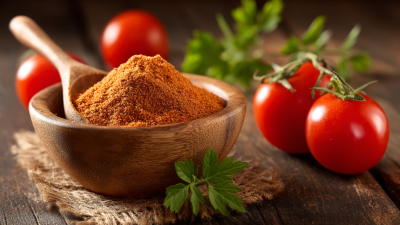
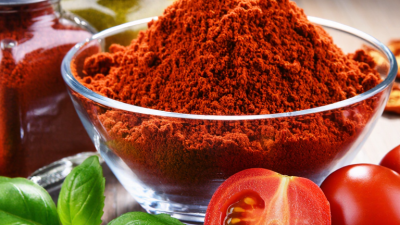
When evaluating bulk organic tomato powder, ask for a recent sample before discussing pallet quantities. Rub a pinch between your fingers: it should feel dry and fine, without hard, damp clumps. Its color may range from orange-red to deep red, depending on the tomatoes and drying method. A sharp, stale, or smoky odor deserves a closer look. Color alone proves little, though; lighting can make the same powder look different.

Read the ingredient list carefully. Pure tomato powder should list tomatoes as its sole ingredient. If it contains a carrier, such as maltodextrin, check its source and percentage, since it can affect flavor, solubility, and label claims. Ask for a certificate of analysis tied to the specific production lot, not a generic sample report. Useful results include moisture, microbiological testing, and screening for pesticide residues and heavy metals. Check the test date and methods, too. A tidy document can still leave questions. I would compare the report with the sample and packaging details, then ask how the supplier controls moisture during storage. Even careful checks cannot guarantee every batch will behave identically, so record the lot number and test a small quantity in your intended recipe before placing a large order.

Compare Bulk Pricing, Packaging, and Delivery Terms

When comparing bulk prices for organic tomato powder, calculate the cost per usable kilogram, not just the price on the quote. Check whether freight, pallet fees, and minimum-order charges are included. Compare like with like: moisture level, particle size, color, and any added ingredients can affect performance and price. Request current product specifications and lot-specific organic documentation. A spreadsheet can make one offer look cheaper; it can also hide a costly difference.

Packaging affects both freshness and handling. Ask whether the powder comes in sealed, food-grade liners, and confirm the bag or pail size before ordering. Moisture barriers matter because powder can cake during storage.

Small details matter.

Check how many units fit on a pallet and whether your team can lift and reseal them safely. Delivery terms deserve the same attention as price. Confirm the dispatch window, estimated transit time, freight responsibility, and process for reporting damaged goods.

Ask when the quoted lead time starts. Is it after payment, or after order confirmation? I would not assume. Put the agreed terms in writing, then compare the full delivered cost against your expected usage and storage capacity.

Plan Order Quantities, Storage, and Future Supply

Buying organic tomato powder in bulk should start with a realistic usage estimate, not the lowest price per kilogram. Review recipes, monthly output, and current stock to calculate how quickly each order will be used. For example, a kitchen using 4 kilograms monthly may not benefit from a 50-kilogram purchase if the powder’s quality declines before it is used.

Add a modest reserve based on supplier lead times and production changes. Ask about minimum order quantities, typical dispatch windows, and how much notice is needed for repeat orders. A sample order can help confirm color, aroma, particle size, and how the powder performs in your recipes. Small tests matter. I would not assume every batch behaves exactly alike; crop and processing differences can affect the result.

Plan storage before delivery. Keep the powder in sealed, food-grade containers in a cool, dry place away from sunlight, steam, and strong odors. Keep it dry. Label containers with the lot number and opening date, then use older stock first. Check for unusual clumping, fading, or off-odors before use. For future supply, agree on a written product specification and ask the supplier to share any expected changes in lead time or availability. A little extra stock feels reassuring, but too much can become an expensive, overlooked corner of the storeroom.

  • LinkedIn Social Icon

© 2024 by LIPOND INTERNATIONAL INC. All rights reserved. Blog

bottom of page