top of page

How to Source Organic Tomato Powder in 2026?

Sourcing Organic Tomato Powder in 2026 requires more than comparing prices on a supplier list. Demand for certified organic food continues to expand. FiBL and IFOAM’s World of Organic Agriculture 2024 reported that global organic retail sales reached approximately €135 billion in 2022. The Organic Trade Association also reported that United States organic sales reached $67.6 billion in 2023. These figures suggest opportunity, but they do not guarantee reliable tomato powder supply.

A professional sourcing process should examine origin, certification, processing controls, and batch evidence. Request a current organic certificate that matches the intended market, such as USDA Organic or EU organic certification. Then review the product specification. Important details include moisture, particle size, color, acidity, lycopene content, microbiological limits, pesticide residues, and heavy metals. Ask for a recent certificate of analysis from an accredited laboratory. Check whether the tomatoes were dried under controlled temperatures. A bright red powder should not replace documented testing.

Supplier audits also deserve attention. Review traceability from farm to finished bag. Confirm harvest timing, crop variety, packaging materials, minimum order quantity, and storage conditions. GFSI-recognized food-safety systems, HACCP plans, and transparent recall procedures can strengthen confidence. However, certificates can expire, and documents may not reflect every shipment. That is an uncomfortable but important limitation. A sample may perform well in sauce, seasoning, or soup trials, yet later batches can differ. For 2026 purchasing decisions, combine laboratory verification, production samples, factory communication, and realistic logistics planning. Organic Tomato Powder is a functional ingredient, but dependable sourcing depends on evidence rather than attractive claims.
How to Source Organic Tomato Powder in 2026?

Define Organic Tomato Powder and Its Main Applications

How to Source Organic Tomato Powder in 2026?

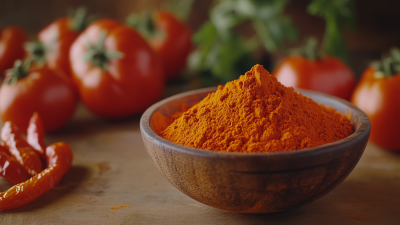
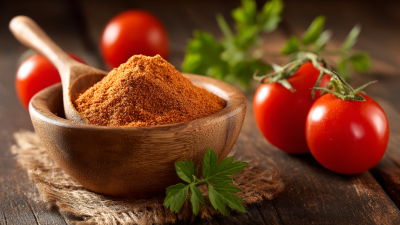
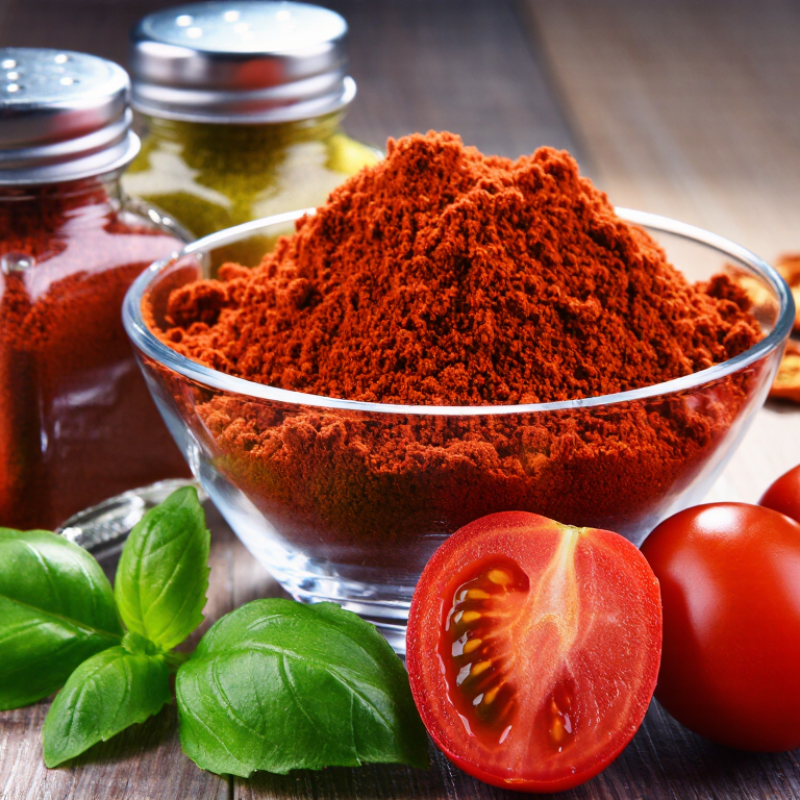
Organic tomato powder is made from ripe tomatoes grown under certified organic production rules. The tomatoes are washed, dried, and milled into a fine, concentrated powder. It usually contains natural tomato solids, color, acidity, and lycopene. It should not be treated as fresh tomato puree. The flavor is sharper, and the moisture level is much lower.

Its applications are practical and varied. Food manufacturers use it in soups, sauces, seasoning blends, snacks, bakery fillings, and instant meals. It can add tomato flavor without refrigerated storage. The Organic Trade Association reported that U.S. organic food sales reached 67.6 billion dollars in 2023. FiBL and IFOAM also reported 96.4 million hectares of global organic farmland in 2022. These figures show a growing supply base, but organic demand does not guarantee consistent powder quality. That assumption needs checking.

Tips: Ask for valid organic certificates, current microbiological results, moisture data, and pesticide screening. Confirm whether the powder is spray-dried or drum-dried. Processing changes color, solubility, and flavor. Request a sample before discussing volume. A bright red sample may still taste weak. Check bulk density, packaging barriers, and lot traceability. The 2024 FAO food safety guidance also supports risk-based supplier verification, especially for dried ingredients. That step is easy to skip. It should not be.

Identify Organic Certification and Product Quality Requirements

How to Source Organic Tomato Powder in 2026?

Identify Organic Certification and Product Quality Requirements

Organic status should be verified before discussing price. Ask for a current certificate from an accredited certifier. Check the certificate’s scope, product name, processing site, and expiry date. The document must cover tomato powder, not only fresh tomatoes. Requirements differ between markets, so confirm the rules for your destination country. Request transaction records when required. Do not rely on a supplier’s logo or a scanned certificate alone.

Product quality needs equal attention. Define the tomato variety, growing region, drying method, mesh size, color, flavor, moisture, and Brix range. A useful specification may require bright red powder, clean tomato aroma, and no burnt notes. Test samples through an independent laboratory. Review microbiology, pesticide residues, heavy metals, moisture, and foreign-material controls. Ask for a recent certificate of analysis linked to the exact lot. It should include batch numbers and testing dates.

Traceability reveals how seriously a supplier manages risk. Request farm or cooperative records, processing flow charts, cleaning procedures, and recall plans. Audit evidence is helpful, but it is not perfect. Documents can become outdated quickly. I once overlooked storage humidity during a specification review; the powder later formed small lumps. That mistake changed my checklist. Now I ask for packaging materials, warehouse conditions, and shelf-life data before approval. Small details often decide whether organic powder performs well in real production.

Find and Compare Qualified Organic Tomato Powder Suppliers

Sourcing organic tomato powder in 2026 starts with comparing qualified suppliers, not collecting the lowest quotes. Ask each supplier for a current organic certificate, scope, issuing body, and renewal date. Check whether it covers processing, packing, and the shipment’s destination requirements. Request a specification sheet with tomato variety, mesh size, moisture, color, pH, and microbiological limits. A clear document is useful. A vague one is not.

Send identical questions and sample requirements to every candidate. Compare recent certificates of analysis, pesticide-residue results, allergen statements, heavy-metal data, and lot traceability records. Ask how tomatoes are dried, stored, and protected from moisture. I prefer sealed sample bags labeled with lot numbers and production dates. Test samples in an independent laboratory when the application is sensitive. Supplier visits or live video audits can reveal dusty corners that polished documents miss. Photos alone are weak evidence.

Evaluate more than price. Compare minimum order quantity, lead time, packaging, payment terms, complaint handling, and replacement procedures. A qualified supplier should explain deviations without defensive language. During one comparison, I focused too heavily on color and overlooked caking after storage. That mistake changed my checklist. Now I request accelerated storage data and a small pilot batch before approving larger orders. Keep a written scorecard, record unanswered questions, and review performance after each delivery. Qualification is ongoing.

How to Source Organic Tomato Powder in 2026? - Find and Compare Qualified Organic Tomato Powder Suppliers

Anonymous supplier screening table based on commonly used organic food ingredient qualification criteria.

Supplier Profile Primary Supply Region Organic Certification Required Food-Safety Certification Typical Product Specification Processing Format Indicative MOQ Indicative Lead Time Traceability Documents Initial Fit
Supplier Profile A Southern Europe Valid organic certificate covering processing and the supplied product; EU organic compliance where applicable GFSI-recognized certification preferred; HACCP plan required Fine tomato powder; moisture typically ≤5%; free-flowing; natural red color; no added carrier declared Spray-dried or low-temperature dried powder; conventional and organic production controls separated 500–1,000 kg 4–8 weeks after approved purchase order Current certificate, lot-specific COA, allergen statement, pesticide screen, origin declaration Strong
Supplier Profile B North America USDA Organic certification for the finished ingredient; certificate scope must include handling and processing HACCP and preventive-controls documentation; third-party audit preferred Tomato powder with moisture typically ≤6%; mesh options commonly available; microbiological limits stated by lot Dehydrated or spray-dried powder; custom sieve size may be available 250–500 kg 3–6 weeks for stocked material; longer for production batches Organic certificate, COA, certificate of analysis methods, country-of-origin statement, recall procedure Strong
Supplier Profile C South America Organic certification recognized for the destination market; equivalence documentation required for imports HACCP required; ISO 22000 or equivalent food-safety system preferred Natural tomato powder; moisture typically ≤7%; color and solubility can vary by crop and drying method Hot-air dried powder; bulk industrial packing commonly available 1,000–2,000 kg 6–10 weeks, excluding international transit Certificate, COA, pesticide residue report, heavy-metal report, phytosanitary or export documents where applicable Conditional
Supplier Profile D Mediterranean region Organic certification must cover the exact production site and product code; annual validity check required FSSC 22000, BRCGS, or equivalent certification preferred Fine red powder; moisture typically ≤5%; low water activity specification should be included in the COA Spray-dried powder; anti-caking agent status must be confirmed before approval 500–1,000 kg 5–9 weeks depending on harvest inventory Lot traceability, organic transaction documentation, allergen declaration, GMO statement, microbiology and pesticide results Strong
Supplier Profile E Asia-Pacific Destination-market organic certificate and valid scope for processing, storage, and export activities HACCP required; GFSI-recognized certification should be requested for retail or infant-food applications Tomato powder with moisture typically ≤6%; particle size, bulk density, and color value require pre-shipment confirmation Spray-dried or drum-dried formats; packaging may include multi-wall bags with inner liner 300–1,000 kg 6–12 weeks including export logistics Organic certificate, COA, third-party laboratory reports, production record, packing list, export documentation Conditional
Supplier Profile F Multi-origin trading and processing network Certificate must identify the actual processor and production site; broker-only certification is insufficient Processor HACCP documentation and recent third-party audit report required Specification may vary by origin; moisture, color, mesh, lycopene, microbiology, and additives must be fixed contractually Mixed-origin supply possible; separate lot approval is essential 100–250 kg for trial orders 2–5 weeks for available stock; 8–12 weeks for new production Processor identity, organic certificate, lot COA, origin statement, chain-of-custody records, sample retention policy Verify
Procurement note: Before approval, request a current organic certificate, lot-specific COA, pesticide-residue test, microbiological results, allergen and GMO statements, product specification, sample, packaging details, and written confirmation that no non-organic ingredients or processing aids are used.

Evaluate Samples, Testing Records, Pricing, and Minimum Orders

Sourcing organic tomato powder in 2026 requires more than comparing bright red samples. FAOSTAT data show global tomato production exceeded 186 million tonnes in 2022, yet powder quality varies by cultivar, harvest timing, and drying method. Request samples from at least three lots. Check color, aroma, particle size, solubility, and moisture. A sample that clumps after five minutes in warm water deserves closer attention.

Testing records should match the exact lot being offered. Ask for pesticide-residue screening, Salmonella and E. coli results, yeast and mold counts, heavy metals, moisture, and water activity. Confirm laboratory accreditation and test dates. Request the organic certificate, transaction documentation, country of origin, and processing site details. The U.S. Organic Trade Association reported $69.7 billion in U.S. organic sales for 2023, showing strong demand but not automatically proving supplier reliability. Paperwork still needs checking.

Pricing should separate powder cost from testing, packaging, freight, certification, and inspection charges. Build a comparison sheet using the same specification and delivery term. Ask whether the quoted price changes with tomato season or moisture limits. Minimum orders can hide cash-flow pressure. Some suppliers may offer 25-kilogram trial cartons, while others require pallet-level commitments. That difference matters. I would negotiate a smaller first order, even at a slightly higher unit price. My early mistake was treating a low quote as efficient; the cheapest powder required extra screening and caused production delays.

How to Source Organic Tomato Powder in 2026?

Evaluate samples, testing records, pricing, and minimum orders before approving a supplier.

How to use this chart: USDA organic labeling thresholds are fixed at 100%, 95%, and 70% organic ingredients. For tomato powder sourcing, request a representative sample, current certificate, product specification, certificate of analysis, pesticide-residue results, microbiological results, heavy-metal results, price by order volume, lead time, and minimum order quantity. Testing, pricing, and MOQ are supplier-specific and should be verified from current records rather than assumed.

Finalize Contracts, Shipping, Storage, and Supplier Verification

How to Source Organic Tomato Powder in 2026?

A reliable contract should define more than price and delivery dates. Specify organic certification, tomato variety, mesh size, color, moisture, microbiological limits, and pesticide testing. Include the crop year and acceptable variation for each batch. Require a certificate of analysis before shipment. Keep retained samples from approved lots. They help resolve disputes when powder arrives darker than expected.

Supplier verification needs evidence, not polished promises. Check the certification body, audit date, processing address, traceability records, and recent laboratory reports. Ask how the supplier prevents allergen and non-organic material contact. Request a small production sample before signing a large commitment. A video call is useful, but it cannot replace an independent audit. My checklist is thorough, yet it still misses occasional documentation gaps. That is worth admitting.

Tips: Use clear Incoterms and name the responsible party for insurance, customs documents, and damaged cargo. Pack powder in sealed, food-grade bags with moisture barriers. Add desiccants when suitable. Confirm pallet wrapping and container cleanliness before loading. During transit, monitor humidity risks and avoid unnecessary temperature swings. On arrival, inspect seals, cartons, odor, color, and clumping before acceptance. Store unopened bags in a cool, dry, dark room, raised from the floor. Use FIFO rotation and record each lot movement. Keep emergency contact details and a replacement shipment plan in the contract. Some buyers overlook storage records. That mistake becomes expensive.

  • LinkedIn Social Icon

© 2024 by LIPOND INTERNATIONAL INC. All rights reserved. Blog

bottom of page