How to Buy Graviola Powder in Bulk?
Buying Graviola Powder in bulk is not just a matter of finding the lowest price. Product identity, consistent quality, and dependable supply all matter when you are comparing vendors. A powder may look similar in a product photo, yet differ in color, texture, origin, or handling. Details matter.
Before requesting a large order, ask suppliers for a current specification sheet and a batch-specific certificate of analysis. Check whether the documents identify the botanical material and report relevant quality tests, such as moisture, microbiological results, and heavy metals. Confirm how the powder is processed, packed, stored, and protected from moisture during shipping. Ask for a small sample when possible; a quick look and smell can help you assess it, but cannot replace laboratory testing. That distinction is easy to overlook.
A low quote can look convincing. Compare the full landed cost, including packaging, shipping, minimum order quantities, and any testing arrangements. Clarify lead times, shelf-life information, and what happens if a delivered batch does not match the agreed specifications. Reliable suppliers should answer clearly and provide traceable documentation without making unsupported health claims. If their answers feel vague, pause. Bulk buying can reduce unit costs, but it also increases the impact of a poor choice. Start with a manageable quantity, keep written records, and review each batch before reordering. Even a careful process has limits, so leave room to reassess the supplier as your needs change.
Understanding Graviola Powder and Its Bulk-Use Requirements
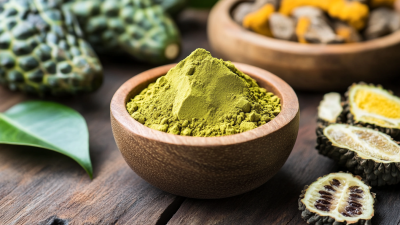
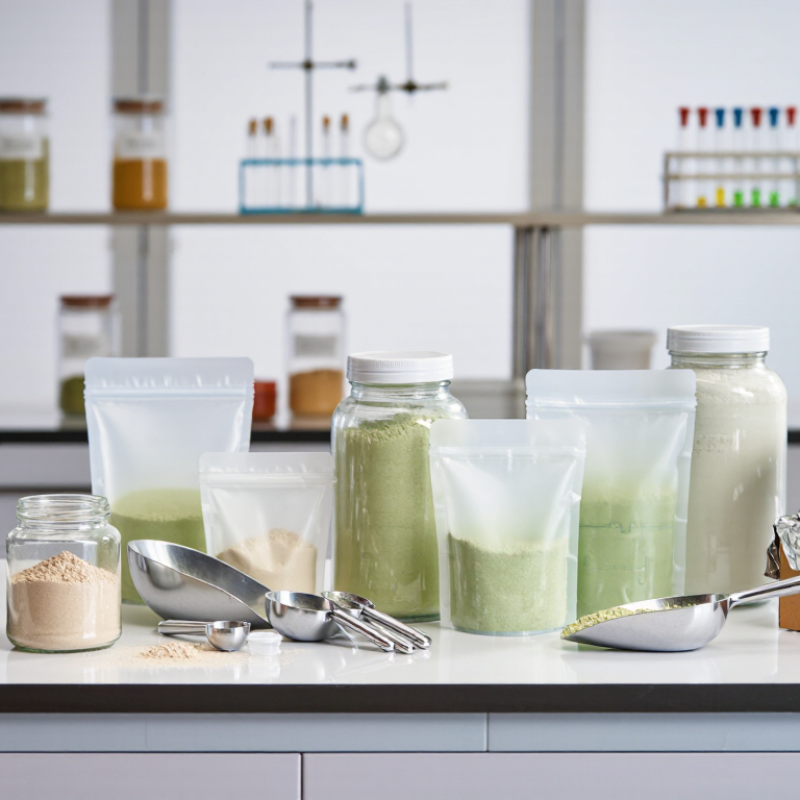
Graviola powder is usually made from dried Annona muricata leaves or fruit, so confirm the plant part before comparing bulk offers. They are not interchangeable ingredients. Ask for the botanical name, country of origin, processing method, and a specification sheet tied to the offered lot. A green, finely milled powder may look consistent, but appearance alone cannot confirm identity or quality.
Bulk use changes the practical requirements. Request a recent certificate of analysis and check that it covers the same batch you may purchase. Relevant checks can include identity, moisture, microbial limits, heavy metals, and pesticide residues. Ask how samples are collected and tested; a document is useful, but it does not tell the whole story. If the powder is intended for a food or beverage product, verify that its composition and handling suit your formulation and applicable requirements.
Consider packaging and storage before ordering a large quantity. Sealed, food-grade liners and clear lot coding help protect powder from moisture and support traceability. Store it in a cool, dry place, away from direct light, and follow the supplier’s stated shelf-life conditions. Get a small sample first. Test its aroma, texture, dispersibility, and performance in your actual process. This step can feel slow, yet bulk mistakes are harder to fix. I would also leave room for uncertainty: natural powders can vary between harvests, even when the paperwork looks tidy.
Defining Product Specifications and Quality Standards
When buying graviola powder in bulk, define the material before comparing prices. Specify the botanical name and plant part, such as dried leaf, because leaf and fruit powders are not interchangeable. State the particle size, color range, odor, and intended use. A target mesh range can help avoid powder that clumps or feels gritty in a finished blend. Details matter. Set moisture and microbiological limits with a qualified supplier, and request a lot-specific certificate of analysis. Ask which test methods and sampling procedures support each result; a document is useful only when its scope is clear.
Tips: Request a sealed sample from the production lot you plan to buy, not just a showroom sample. Check its batch code, packaging seal, and storage conditions. Keep a retained sample for comparison.
Quality specifications should also address relevant contaminants, including heavy metals, pesticide residues, and foreign matter. Agree on acceptance thresholds before ordering, and clarify what happens if inspection results fall outside them. Compare test reports with the requirements for your intended market, since limits can differ. Choose moisture-resistant packaging with a clear net weight and traceable lot code. Appearance alone cannot confirm identity or purity. Bulk handling may also affect aroma and flow. That deserves a check. Specifications cannot remove all natural variation, so set reasonable acceptable ranges rather than expecting identical batches.
Finding and Evaluating Wholesale Suppliers
How to Buy Graviola Powder in Bulk?
Finding and Evaluating Wholesale Suppliers
Buying graviola powder in bulk starts with a supplier you can verify, not just a low quote. Ask which plant part is used, where it was sourced, and how it was dried and milled. These details matter because products sold under the same name may have different specifications. Request a current, lot-specific certificate of analysis and check whether it identifies the material and reports relevant microbial, heavy-metal, and pesticide testing. Ask who performed the tests and whether the lab is independent. Clear answers are a good sign.
Tips: Request a small sample before placing a large order. Compare its color, aroma, texture, and stated specifications with the supplier’s documents. Confirm minimum order size, packaging, storage guidance, lead time, and what happens if a batch fails agreed checks. Keep written records of these terms.
A careful supplier should be able to explain how lots are tracked from source to shipment. Ask for references from other wholesale buyers, but verify them where possible. Do not treat a polished website as proof of quality. I’d compare at least two suppliers using the same questions; it takes time, and the cheapest option may still be the wrong fit. Bulk purchasing can reduce unit cost, but only if the powder stays consistent across deliveries.
Comparing Quotes, Minimum Orders, and Purchase Terms
When buying graviola powder in bulk, compare quotes on the same specification. Check the botanical name, plant part, particle size, moisture limit, and whether the powder is plain or blended. Ask for a recent certificate of analysis and a sample from the same production lot. A low price can look attractive. Freight, testing, and packaging may change the landed cost.
Compare minimum order quantities alongside price breaks. A supplier’s 25-kilogram minimum may suit a small trial better than a cheaper 500-kilogram order. Confirm whether sample and production batches share the same specifications, and ask how long repeat orders usually take. Purchase terms should state payment milestones, delivery terms, packaging, shelf life, and what happens if a lot fails agreed tests. For organic claims, request current certificates and check their scope. FiBL and IFOAM’s The World of Organic Agriculture 2024 reports global organic retail sales of about €135 billion in 2022. That is useful market context, not evidence that a particular powder is certified. One detail buyers can overlook: exchange rates and port charges may shift before shipment. Allow room for that uncertainty.
How to Buy Graviola Powder in Bulk? — Comparing Quotes, Minimum Orders, and Purchase Terms
| Comparison point |
Small trial order |
Mid-size order |
Larger-volume order |
| Order quantity / MOQ |
25–100 kg; confirm whether the seller accepts a trial quantity |
100–500 kg; commonly subject to stock and packaging availability |
500 kg or more; request volume-based pricing and production capacity |
| Indicative unit-price format |
Request a written price per kg; small orders may have a higher unit cost |
Compare price per kg against the same grade, specification, and delivery basis |
Ask for tiered pricing; confirm whether discounts depend on one shipment or annual volume |
| Sample policy |
Request a small representative sample; clarify sample and courier charges |
Approve a pre-shipment sample or agreed reference sample before dispatch |
Agree in writing how production lots will be checked against the approved sample |
| Product specification |
Specify plant part (such as leaf or fruit), powder form, and any required particle size |
Request the same written specification on the quotation, invoice, and product documents |
Set acceptance criteria for identity, moisture, microbiology, and contaminants before ordering |
| Packaging |
Confirm food-grade inner liner, net weight, and whether smaller packs are available |
Confirm sealed, food-contact packaging and outer-carton or sack configuration |
Agree packaging, palletization, labels, and any destination-market requirements in advance |
| Lead time |
Ask whether the quantity is in stock; allow time for sample approval and dispatch |
Request separate estimates for production, quality checks, and transit |
Confirm production slot, shipment schedule, and what happens if the schedule changes |
| Shipping terms |
Compare the quoted delivery basis and identify who pays freight, insurance, and import charges |
Request a named delivery location and applicable Incoterms® rule with version year |
Compare total landed cost, not product price alone; check customs and local import requirements |
| Payment terms |
Confirm deposit, balance timing, accepted payment method, and any transaction fees |
Clarify payment milestones and whether terms differ for repeat orders |
Document payment schedule, currency, bank charges, and remedies for late or disputed delivery |
| Documents to request |
Product specification and available lot-specific Certificate of Analysis (COA) |
COA, lot identification, ingredient declaration, and applicable safety or traceability records |
Agree required export, quality, and destination-market documents before payment |
|
Quote-comparison note: These are procurement scenarios, not live supplier quotations or guaranteed industry-wide MOQs. Prices and terms vary by plant part, grade, processing, order size, origin, and delivery destination. Obtain current written quotations and verify product and import requirements before purchasing.
|
Planning Shipping, Receipt, and Proper Storage
Plan the shipment around the powder’s specifications, not just the quoted transit time. UNCTAD’s Review of Maritime Transport 2024 reports that global maritime trade grew 2.4% in 2023, while route disruptions can affect schedules. Allow buffer time, and ask the supplier for a sealed, food-grade moisture-barrier liner, lot identification, and a certificate of analysis. Request tracking and clear arrival instructions. A few extra days matter.
At receipt, inspect the outer sacks for tears, damp patches, broken seals, or unusual odors before accepting the delivery. Compare lot numbers and package counts with the documents, then retain a sample for your quality checks. The FAO’s 2019 report estimated that 14% of food was lost between post-harvest and retail. That figure is not specific to graviola powder, but it underlines why handling and storage checks matter. A tidy certificate alone is not enough.
Store unopened sacks in a clean, dry area, off the floor and away from walls, sunlight, chemicals, and strong odors. Follow the supplier’s validated temperature, humidity, and shelf-life specifications; do not invent a moisture limit for the powder. After opening, reseal the liner promptly and record the date. Use first-expiring, first-out inventory, and check for clumping or discoloration during routine inspections. It can be easy to miss one damp corner. That is worth reconsidering.
These illustrative business-day estimates help organize a bulk order; actual timelines depend on the supplier, carrier, and destination. Confirm shipping details in advance, inspect the shipment on receipt, and follow the supplier’s storage instructions.