top of page

How to Source Ginkgo Biloba Powder in Bulk?

Buying Ginkgo Biloba Powder in bulk is not just a price comparison. The powder’s identity, active-compound profile, and batch consistency matter just as much. A sample may look pale green and smell mildly herbal, yet appearance alone cannot confirm quality. Ask how the botanical was identified, which plant part was used, and whether the material is a plain powder or a standardized extract.

Botanical quality expert Stefan Gafner, PhD, has worked extensively on herbal product quality and authentication. His published work is a useful reminder that reliable sourcing depends on evidence, not marketing language. A practical rule for buyers is: “A certificate is only as strong as the batch evidence behind it.” This is an editorial sourcing principle, not a direct quotation from Gafner.

The guide ahead examines supplier screening, specifications, testing records, packaging, and sample evaluation. Request a recent certificate of analysis tied to the exact lot, then check its methods and results. Confirm that testing addresses identity, contaminants, and the specifications relevant to your intended use. Ask whether the supplier can provide traceability from raw material to finished powder. Small gaps matter. A polished document may still leave important questions unanswered, and buyers should be willing to pause when answers are vague. Even careful checks cannot remove every uncertainty. They can, however, make bulk purchasing more transparent and help you compare suppliers on consistent, verifiable terms.
How to Source Ginkgo Biloba Powder in Bulk?

Distinguish Leaf Powder from Extract: Pharmacopeial Extracts Contain 22–27% Flavonoids

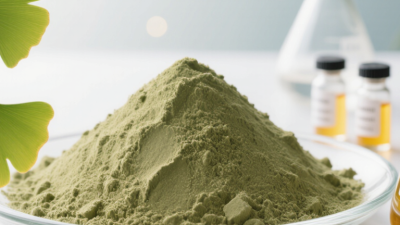
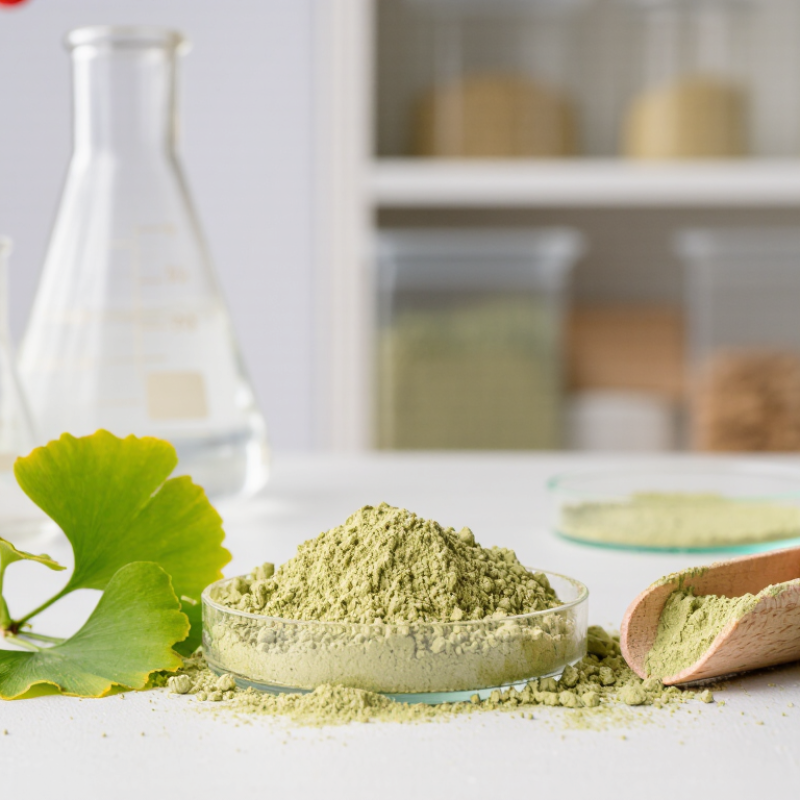
When sourcing Ginkgo biloba in bulk, distinguish milled leaf from concentrated extract. Leaf powder is simply dried leaf ground into a fine, green-brown material. Extract is made through processing and should be described by its extraction ratio and assay results. Similar color and aroma do not prove equivalent strength.

The European Pharmacopoeia monograph for refined, quantified Ginkgo dry extract specifies 22.0–27.0% flavonoids, expressed as flavone glycosides, and 5.4–6.6% terpene lactones. It also sets a maximum of 5 ppm for ginkgolic acids. These figures apply to the specified extract, not ordinary leaf powder. Request a lot-specific certificate of analysis, botanical identity, plant part, extraction ratio, and test method. Check that the assay basis matches before comparing supplier quotes. This detail is easy to miss.

Tip: Ask for a sealed sample and have an independent laboratory verify key markers. Review moisture and microbiological results, too. A neat certificate can still leave gaps; price alone cannot resolve them.

Set Extract Specifications: 5.4–6.6% Terpene Lactones and ≤5 ppm Ginkgolic Acids

When sourcing Ginkgo biloba powder in bulk, clarify whether you need whole-leaf powder or a standardized extract. The 5.4–6.6% terpene lactone range applies to an extract specification, not automatically to plain leaf powder. Put the material type, plant part, and assay basis in the purchase specification. Small details matter.

Request a lot-specific certificate of analysis showing terpene lactones and ginkgolic acids. Set ginkgolic acids at no more than 5 ppm, and confirm the testing method and reporting units with the supplier. Review identity testing, moisture, microbiological results, and relevant contaminant testing too. Ask for representative samples and compare them with the delivered lot. A polished certificate is useful, but it cannot replace clear methods and traceable batch records. Specifications also need practical review: sampling differences or inconsistent assay methods can make two results hard to compare.

Tips: Confirm that the limits apply to the finished ingredient, not merely a supplier’s target. Check sealed packaging, batch numbers, and storage conditions; powders can absorb moisture during handling. If a result sits near a limit, discuss retesting before placing a large order.

Qualify Suppliers: Check GMP Status, Leaf Origin, Traceability, and Batch COAs

When evaluating a bulk supplier, ask for the botanical name, plant part, and country or region of leaf origin. Ginkgo biloba leaf powder and concentrated extract are not interchangeable, so confirm which material is being quoted. Request current GMP documentation and check that it covers the actual manufacturing site and relevant processing activities. A certificate alone does not show how every batch is controlled. Details matter. Ask how incoming leaves are identified, handled, and protected from mix-ups.

Traceability should connect the raw leaves to the finished lot through clear batch records. Request a batch-specific certificate of analysis (COA), not only a sample document. Review the test methods and results for identity, marker compounds where applicable, moisture, and relevant contaminants. Compare the COA lot number with the packaging label and shipping documents. An assay result without a method or specification is hard to interpret. Ask whether testing is performed in-house or by an independent laboratory, and how out-of-specification results are handled. Paperwork can look tidy. If origin records or dates do not align, pause and ask for clarification before approving the order. A retained sample can help your quality team compare material on arrival, though it cannot replace document review or suitable testing.

How to Source Ginkgo Biloba Powder in Bulk

Qualify suppliers by checking GMP status, leaf origin, traceability, and batch-specific certificates of analysis (COAs).

The bars count example evidence points to verify in each category. They are a practical screening checklist, not regulatory requirements or supplier performance scores.

Verify Bulk Lots: Review HPLC Identity, Contaminants, Microbial, and Moisture Results

Before approving a bulk lot of Ginkgo biloba powder, match the certificate of analysis to the exact lot number, production date, and sample tested. HPLC results should show a suitable chromatographic fingerprint and measured marker compounds, such as ginkgolides and bilobalide, against the agreed specification. Ask which reference standards and method were used. A result without method details is hard to interpret. Looks neat, but incomplete.

Review contaminant results for heavy metals, pesticide residues, and other risks relevant to the source and process. Check the analytical method, units, detection limits, and acceptance criteria; a reported “not detected” result does not mean zero. Microbial data should include counts and specified pathogens, with sampling and test dates clearly tied to the lot. If a result sits near a limit, request clarification rather than relying on a reassuring summary.

Moisture results matter because damp powder can cake during storage and may compromise quality. Compare the measured value with the supplier’s stated range, then confirm packaging barriers, storage conditions, and retest policy. Keep a sealed retain sample where feasible. Certificates help, but they cannot replace representative sampling or a clear chain of custody. One question is easy to miss: was the tested sample drawn from this shipment, or from a routine production sample?

Compare Purchase Terms: MOQ, Lead Time, Packaging, and Stability Data

How to Source Ginkgo Biloba Powder in Bulk?

Compare purchase terms before requesting a quote. A low price may hide a high minimum order quantity (MOQ) or costly packaging requirements. Ask whether the MOQ applies to one lot, one shipment, or each package size. Confirm the quoted lead time in writing, including production, testing, and dispatch. A four-week estimate means little if testing adds another week. Request a sample from the same production lot when possible, and compare its color, odor, and texture with later deliveries.

Tips: Put MOQ, lead time, package size, and delivery dates in one comparison sheet. Ask what happens if production runs late. Small details matter.

Packaging affects handling and storage. Check that bulk bags or drums protect the powder from moisture, light, and contamination, and ask how opened containers should be resealed. For stability data, request documented test conditions, dates, and results—not just a general shelf-life claim. Ask whether data reflects the same powder type and packaging you plan to purchase. Review storage guidance, too. I would not treat a single test as a guarantee; real warehouse conditions can vary, and that deserves a careful follow-up.

  • LinkedIn Social Icon

© 2024 by LIPOND INTERNATIONAL INC. All rights reserved. Blog

bottom of page