top of page

Best Ginkgo Biloba Powder in 2026 for Global Buyers?

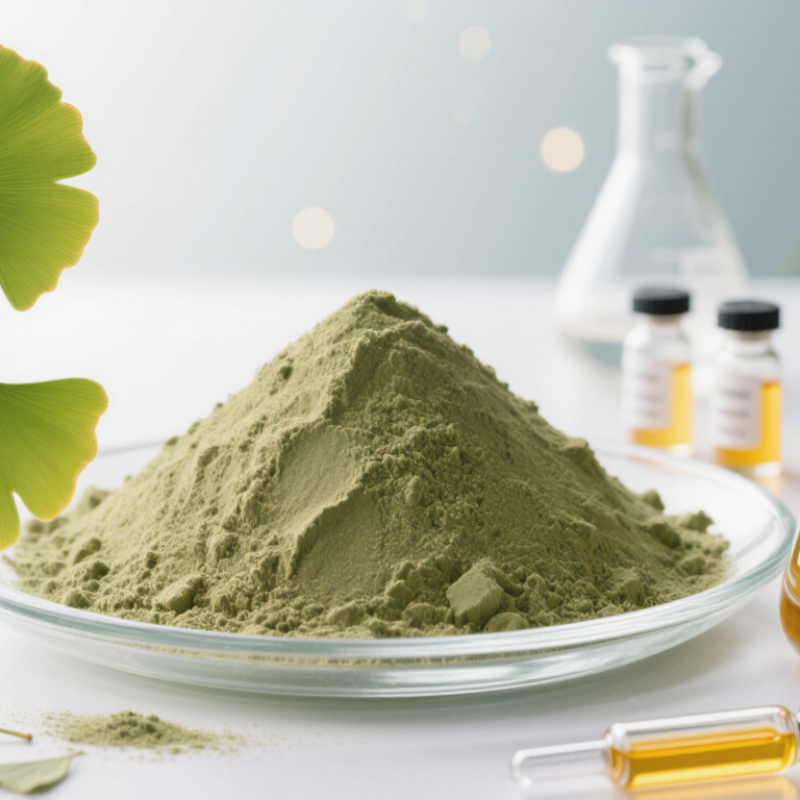
For global buyers, choosing the Best Ginkgo Biloba Powder in 2026 means looking beyond a clean label and attractive price. The product may be a ground leaf powder or a concentrated extract; those forms are not interchangeable. Ask suppliers to state the botanical name, plant part, processing method, and key specifications. Small details matter. A fine, green-brown powder should come with batch-specific test results, not just a polished brochure.

Pharmacognosy professor Michael Heinrich’s research offers a useful quality principle. In paraphrase, not as a verbatim quotation: “Trustworthy botanical sourcing starts with correct identification and transparent characterization.” Buyers can apply that principle by checking identity testing, contaminant screening, traceability, and a current certificate of analysis. Where possible, compare samples for aroma, color, texture, and consistency across batches. A certificate deserves scrutiny, too; its presence alone does not prove that every claim is meaningful.

This guide examines supplier transparency, product form, quality controls, packaging, and practical purchasing questions for international procurement teams. It does not treat Ginkgo Biloba Powder as a substitute for medical advice, nor assume that one specification suits every buyer. There is a gap worth admitting: supplier documents can look complete while leaving important methods unclear. Ask follow-up questions, verify the answers, and record what remains uncertain. That is less tidy than a simple ranking, but more useful when real orders are at stake.
Best Ginkgo Biloba Powder in 2026 for Global Buyers?

What Ginkgo Biloba Powder Is and How It Is Made

Ginkgo biloba powder is made from the leaves of the ginkgo tree, not its seeds. It may mean finely milled leaf or a concentrated leaf extract dried into powder. These are different ingredients. A product description should state which one it contains and, for an extract, explain its key specifications.

For whole-leaf powder, makers generally sort and clean dried leaves, then mill them into a fine material. Sieving helps create a more consistent texture. Extract powder involves additional steps: water or another suitable solvent draws selected compounds from the leaves, and the liquid is concentrated and dried. The exact method affects the powder’s composition, so “ginkgo powder” alone tells buyers very little. That matters.

Reliable assessment depends on more than color or a smooth feel. Buyers can request botanical identity testing, batch-specific certificates of analysis, and checks for moisture, microbes, heavy metals, and pesticide residues. Methods and limits should be clearly stated. A pale green powder is not proof of purity. Packaging also matters: moisture-resistant, sealed containers help protect the powder during storage and transport. One detail is easy to overlook: even careful processing cannot make vague sourcing information precise. Verify the paperwork against the actual product and batch.

Which Quality Standards Matter to Global Buyers in 2026

For global buyers in 2026, “ginkgo powder” is not a complete product specification. Confirm whether it means milled leaf or a standardized extract; these are not interchangeable. Check the Latin identity, plant part, origin, and processing method against batch records. Small details matter. A pale green powder can still be mislabeled.

Request a lot-specific certificate of analysis, not a generic sample sheet. It should report identity and relevant marker compounds, plus tests for ginkgolic acids, heavy metals, pesticide residues, and microbial contamination. Ask which methods were used and whether an independent laboratory verified the results. A PDF alone is not proof. Set acceptance limits for the intended market and use, since requirements may differ by destination.

Traceability should connect the shipment to its harvest and production records. Review the supplier’s quality system, facility audits, change controls, and packaging safeguards against moisture. Keep a retained sample for comparison when goods arrive. I would still treat a polished audit file cautiously: documents can look complete while leaving gaps between harvest and processing. Ask direct questions, then compare the answers with the records.

How to Compare Ginkgo Powder by Potency, Purity, and Form

Best Ginkgo Biloba Powder in 2026 for Global Buyers?

How to Compare Ginkgo Powder by Potency, Purity, and Form

Start by checking what “powder” means on the specification sheet. Whole-leaf powder and concentrated extract are not interchangeable. Whole-leaf material may list no standardized active-compound level, while an extract should disclose its extraction ratio and measured constituents. A number without a test method tells you little. Ask for a recent certificate of analysis covering identity, moisture, microbial counts, heavy metals, and pesticide residues.

For a useful benchmark, the USP–NF Ginkgo Extract monograph specifies 22.0–27.0% flavonoids, 5.4–6.6% terpene lactones, and no more than 5 ppm ginkgolic acids. These figures apply to the defined extract, not ordinary leaf powder. That distinction matters. Compare like with like, and look for results from an independent laboratory using validated methods. Batch-specific records are more useful than a generic product sheet.

Tips: Request the botanical name, plant part, particle size, and processing details. Check whether the powder is water-dispersible or intended for capsules; form affects handling, not potency by itself. A polished label can still leave gaps. If test results omit units or batch numbers, pause and ask for clarification before comparing prices.

What to Check in Suppliers, Certifications, and Shipping

Choosing ginkgo biloba powder in 2026 means checking more than price and appearance. Ask suppliers to confirm the botanical identity, plant part, processing method, and country of origin. Request a recent certificate of analysis tied to the exact batch you may buy. It should identify test methods and results for relevant quality measures, such as microbial counts, heavy metals, pesticide residues, and moisture. If standardized compounds are claimed, ask how they were measured. A polished document alone is not proof.

Tips: Match the batch number on the certificate, invoice, and sample label. Check whether quality certifications cover the actual production site and product category. Ask who performed the testing, and whether records are independently verifiable.

Shipping can quietly change product quality. Confirm sealed, food-grade packaging with a moisture barrier, plus clear storage instructions. Ask for expected transit time, shipment tracking, and a plan for delays or damaged cartons. For long routes, discuss humidity exposure and suitable outer packaging before placing a large order. Inspect a sample shipment when practical. No checklist removes every risk; paperwork can be tidy while handling is not. That gap deserves attention, especially when the first order crosses several borders.

Best Ginkgo Biloba Powder in 2026 for Global Buyers? - What to Check in Suppliers, Certifications, and Shipping
Evaluation Area What to Check Useful Evidence or Buying Benchmark Buyer Action
Product identity Confirm the botanical name, plant part, and whether the product is leaf powder or a concentrated extract. Specification and label should identify Ginkgo biloba L. leaves. Leaf powder and extract are different product forms and should not be compared as equivalent. Request a product specification, process description, and representative sample before approving a purchase.
Standardization Check whether the material is ordinary leaf powder or an extract standardized for selected constituents. For an extract, request the declared assay values and test methods for its marker compounds. Do not assume that raw leaf powder has the same marker profile or potency as an extract. Match the product form and assay requirements to the intended use and the destination market’s rules.
Ginkgolic acids Ask whether ginkgolic acids are tested and whether the result applies to the exact product lot. Request a lot-specific result, analytical method, reporting units, and acceptance specification. Applicable limits can depend on product type and market requirements. Do not rely on a general marketing statement such as “low ginkgolic acids”; verify the documented result against your specification.
Batch testing and COA Review the certificate of analysis (COA) for identity, assay where applicable, and relevant safety tests. A useful COA identifies the product and lot, test methods, results, units, specification limits, test date, and issuing laboratory. Methods should be appropriate to the analyte. Compare the COA with the purchase specification and confirm that the tested lot is the lot being offered for shipment.
Contaminant controls Assess testing for heavy metals, pesticide residues, microbiological quality, and other risks relevant to the product and destination. Request actual results and applicable limits rather than a generic statement that the product “passes.” Required limits vary by jurisdiction and intended use. Have a qualified regulatory or quality team review the test panel and limits for the importing market.
Manufacturing controls Check the production site’s food-safety and quality-management controls, traceability, and change-control procedures. Ask for current certificates and verify the issuing body, validity, covered site, product scope, and certification standard. A certificate is not proof that every lot meets specification. Verify certificates with the issuer or certification directory and request an audit summary or quality questionnaire where appropriate.
Organic claims Confirm whether organic certification is required and whether the claim is valid for the product and supply chain. Check the current certificate, certified operator, product scope, and the rules applicable to the destination country. Organic status does not replace contaminant testing. Confirm that the documentation supports the exact claim planned for the product label and import documents.
Traceability and shelf life Review lot coding, raw-material origin records, production dates, storage instructions, and retest or expiry policy. Records should connect incoming leaf material to the finished lot and its COA. Shelf life should be supported by the supplier’s product data and storage conditions. Agree on minimum remaining shelf life at dispatch and require lot details on shipping and quality documents.
Packaging and storage Check that packaging protects the powder from moisture, contamination, and unsuitable storage conditions. Request packaging material details, pack size, seal integrity information, and the recommended temperature and humidity conditions. Specify clean, sealed packaging and suitable outer protection; confirm that storage instructions are followed during transit.
Export documentation Agree in advance on the documents needed for customs clearance and the buyer’s quality review. Commonly requested documents may include a commercial invoice, packing list, transport document, COA, and origin or health-related documents where required by the destination. Confirm document requirements with the importer, customs broker, and relevant authorities before the goods are dispatched.
Shipping terms and lead time Clarify the Incoterms® rule, named place or port, dispatch schedule, transit plan, and responsibility for insurance and clearance. The chosen Incoterms® rule allocates specified delivery responsibilities, costs, and risks; it does not by itself determine import admissibility. State the rule and named place precisely in the quotation or contract, and confirm who arranges transport, insurance, and customs clearance.
Supplier communication Evaluate response quality, consistency of technical documents, complaint handling, and ability to provide lot-specific records. Reliable purchasing decisions depend on verifiable product and quality information, not on unsupported claims or a low quotation alone. Use a written specification, approved sample, agreed testing plan, and documented process for handling nonconforming goods.

Requirements differ by product form, intended use, and destination market. Confirm applicable import, labeling, and safety requirements before ordering.

How to Choose Ginkgo Biloba Powder for Your Market

Best Ginkgo Biloba Powder in 2026 for Global Buyers?

How to Choose Ginkgo Biloba Powder for Your Market

The right ginkgo biloba powder depends on how your market defines and uses it. Whole-leaf powder and concentrated extract are not interchangeable. Buyers should confirm the botanical identity, plant part, processing method, and intended product format before comparing prices. A low-cost powder may not meet a buyer’s required specification. Ask for a current certificate of analysis that identifies key constituents and reports testing for contaminants, including heavy metals and microbes. Check that the test methods and results are clearly stated.

Market expectations vary. Some buyers need a fine powder that disperses well in capsules; others care more about color, odor, or blending performance. Review packaging barriers and storage guidance, especially if the product will travel through warm or humid conditions. Confirm applicable import, labeling, and ingredient requirements with qualified local advisers, since rules differ by destination. Supplier documents help, but they do not replace independent verification. I would still pause before choosing on price alone.

Tips: Request a representative sample and compare it with the written specification. Check batch traceability, testing dates, and change-control procedures. Keep questions specific. A clear answer is useful; a polished brochure is not enough. One detail can be missed, so document any unresolved points before placing an order.

  • LinkedIn Social Icon

© 2024 by LIPOND INTERNATIONAL INC. All rights reserved. Blog

bottom of page