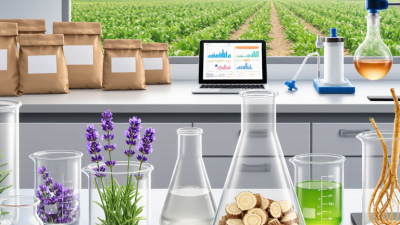
Top Pure Natural Plant Extract Suppliers for Global Buyers
Global demand for botanical ingredients is rising, but a supplier’s “natural” claim is only a starting point. Grand View Research estimated the global botanical extracts market at USD 6.15 billion in 2023 and projected an 8.7% compound annual growth rate from 2024 to 2030. Growth brings more choices—and more variation in quality. For buyers comparing Pure Natural Plant Extract suppliers, the practical question is whether each batch can be identified, tested, and traced back to its source.
Look beyond a polished product catalogue. Ask for the botanical name, plant part, country of origin, extraction method, and a recent certificate of analysis. Check whether specifications cover relevant contaminants and active-compound levels, and whether the supplier can explain batch-to-batch differences. A certificate helps, but it does not replace independent verification or an audit when the risk justifies one. Details matter. Destination-market and product requirements also differ, so buyers should confirm documentation with qualified compliance professionals. This guide compares suppliers through sourcing transparency, quality controls, technical support, and export readiness. It cannot guarantee that every listed supplier fits every application; even a credible supplier may have gaps in traceability or documentation. That deserves scrutiny. Use the comparison as a starting point, then test samples and verify claims before committing to a long-term order.
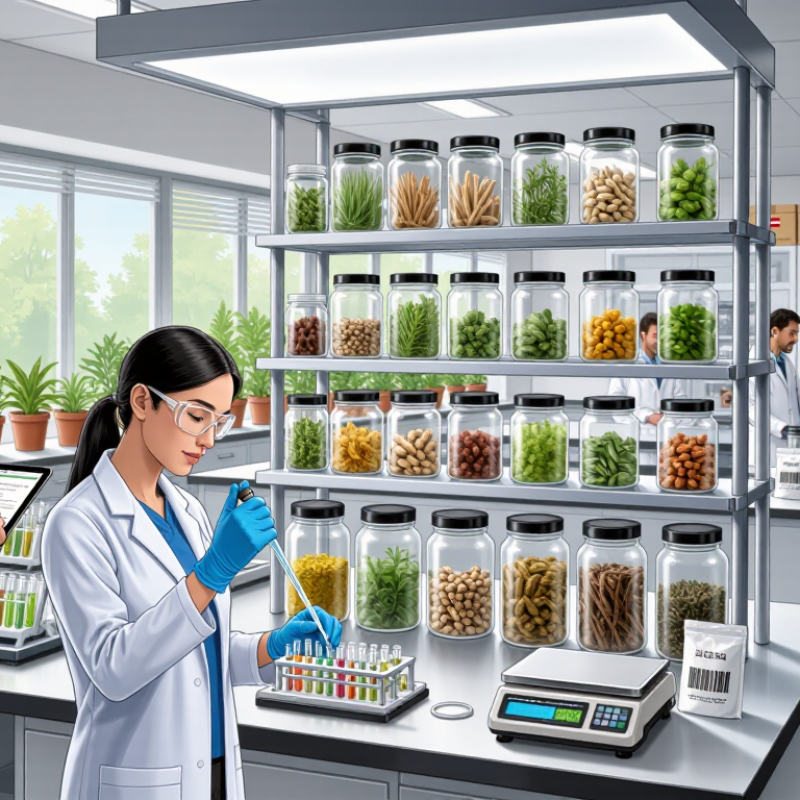
What Defines a Pure Natural Plant Extract Supplier?
A pure natural plant extract supplier can explain exactly what is in an extract and how it was made. That means naming the botanical species, the plant part, and the extraction method. Details matter. “Leaf” and “root” are not interchangeable, and solvent choice can affect an extract’s composition.
Reliable suppliers maintain traceable records from incoming raw material to finished batch. Buyers should be able to review a specification sheet, a certificate of analysis, and relevant test results. These may cover identity, marker compounds, microbes, heavy metals, or pesticide residues, depending on the material and its intended use. Ask why. A supplier should explain the methods and limits behind its data, not just send a document with numbers.
Consistency also depends on harvest conditions, drying, storage, and production controls. A useful supplier discusses these factors openly and flags changes between batches. Even strong systems can miss a field variation; pretending otherwise weakens trust. Look for clear answers about sampling, retesting, and corrective steps. “Natural” alone proves little. Experience shows in the small details: a legible lot code, a sealed sample stored away from heat, and staff who can explain an unexpected result without overpromising.
How Plant Extracts Are Sourced, Processed, and Standardized
Plant extracts begin with a plant identity, not a processing machine. Buyers should ask which species, plant part, harvest location, and season were recorded. WHO’s Good Agricultural and Collection Practices guidelines emphasize controlled cultivation, collection, and handling of medicinal plants. These steps help reduce variation before extraction begins. Small details matter.
A useful supplier record follows the material from field to batch: drying conditions, extraction solvent, concentration ratio, and storage method. Testing should match the intended use and may include identity, microbial limits, contaminants, and marker compounds. Standardization does not mean every extract has the same active effect; a marker can help compare batches, but may not explain the full biological activity. The details need scrutiny. Kew’s State of the World’s Plants and Fungi 2023 report estimated that 45% of flowering plant species could be threatened with extinction, adding weight to traceable, responsible sourcing. Still, a certificate alone cannot prove sustainable harvesting or consistent quality. Ask for batch-specific results and the methods behind them. Gaps in records happen, and suppliers should describe them plainly rather than imply certainty.
Which Supplier Qualities Matter Most to Global Buyers?
Global buyers need more than a low price and an attractive certificate. The WHO’s 2019 Global Report on Traditional and Complementary Medicine found that 170 of 194 Member States reported using these practices. That broad use makes consistent ingredient quality essential. Ask suppliers to identify the exact plant species, plant part, growing origin, harvest period, and extraction method. Vague labels hide useful details.
Request a batch-specific certificate of analysis, then check how results were produced. Identity testing may combine microscopy or chromatographic methods, while safety checks should address microbes, heavy metals, pesticides, and residual solvents. Paperwork matters. A certificate alone cannot confirm that a sample represents the delivered lot. Ask about sample retention, testing limits, and corrective actions when results fall outside specification. Review traceability records from harvest through processing, and assess how suppliers manage seasonal variation. Botanical chemistry can shift with weather and growing conditions.
Facility audits and documented change control reveal whether quality systems work beyond the sales conversation. Ask for recent audit findings and evidence of follow-up, not just a polished summary. Still, no supplier can remove every uncertainty. Buyers should compare independent test results with supplier data and revisit specifications when sourcing regions or processes change. The extra checks take time, but they can prevent a small mismatch from becoming a costly production problem.
Top Pure Natural Plant Extract Suppliers for Global Buyers - Which Supplier Qualities Matter Most to Global Buyers?
Practical supplier-evaluation criteria for global sourcing. Priority levels are a general buyer-oriented guide; specific requirements depend on the extract, intended use, and destination market.
| Supplier quality | Buyer priority | What to assess | Useful evidence or questions |
|---|---|---|---|
| Botanical identity and authenticity | Critical | Correct Latin binomial, plant part, extract type, and declared marker compounds; controls to detect substitution or adulteration. | Request a batch-specific certificate of analysis (COA), specification, and suitable identity testing, such as chromatographic fingerprinting where appropriate. |
| Contaminant and safety controls | Critical | Risk-based testing for relevant microbiological hazards, heavy metals, pesticide residues, mycotoxins, and residual solvents. | Check test methods, laboratory details, results, and whether limits meet the rules and intended use of the destination market. |
| Traceability and supply-chain control | Critical | Ability to link finished batches to raw-material lots, processing records, and source regions or farms where available. | Ask how batch records are maintained, how far upstream traceability extends, and how the supplier handles a mock recall. |
| Quality-management system | High | Documented controls for production, hygiene, deviations, corrective actions, change control, and supplier qualification. | Review relevant audit or certification scope. HACCP-based controls and food-safety management certifications may be applicable, but do not replace product-specific checks. |
| Specification consistency | High | Reliable batch-to-batch control of identity, marker content, moisture, appearance, and other agreed parameters. | Compare multiple batch COAs against the agreed specification and ask how out-of-specification results are investigated. |
| Documentation and regulatory support | High | Accurate, current product and shipment documents, with clear communication about intended-use limitations and market-specific requirements. | Confirm availability of specifications, COAs, safety data where applicable, origin documents, and allergen or GMO statements when relevant. |
| Capacity and delivery reliability | High | Realistic production capacity, lead times, seasonal sourcing plans, and contingency arrangements for supply interruptions. | Ask for typical and peak lead times, minimum order quantities, forecast requirements, and procedures for communicating delays. |
| Stability, packaging, and transport | Important | Packaging and storage guidance suitable for the extract’s sensitivity to moisture, light, oxygen, heat, and handling. | Request available stability data, shelf-life basis, packaging specifications, and recommended transport and storage conditions. |
| Technical communication and customization | Important | Ability to answer questions about extraction, formulation, testing, and feasible adjustments without making unsupported claims. | Discuss sample availability, development timelines, change notification, and the process for approving revised specifications. |
| Responsible sourcing | Important | Consideration of legal harvesting, resource renewal, labor practices, and environmental impacts relevant to the botanical and origin. | Ask for sourcing policies, origin information, and supporting records; verify claims against the specific supply chain and applicable laws. |
How to Verify Product Quality, Safety, and Compliance
A supplier’s certificate of analysis should match the exact batch you are buying. Check the botanical name, plant part, country of origin, extraction solvent, and extract ratio. Then review test results for identity, active markers, heavy metals, pesticides, microbes, and residual solvents. Ask who performed each test and whether the laboratory is accredited to ISO/IEC 17025. That matters. A polished certificate is not independent proof; confirm the batch number and methods directly with the laboratory when possible.
Traceability is just as important as a clean test result. Request harvest or farm records, processing dates, and a documented chain of custody. The World Health Organization’s 2019 Global Report on Traditional and Complementary Medicine found that 170 of 194 Member States reported using traditional medicine. That scale makes reliable controls essential. Check that specifications and labels meet the rules in your destination market, not merely the supplier’s home market. Keep retained samples and compare them with later shipments. Supplier files can look complete, yet gaps still appear. A site audit may reveal how weighing, storage, and cleaning actually happen. Don’t treat a single passing test as a permanent guarantee.
How to Compare Suppliers for Long-Term Sourcing Needs
Long-term sourcing starts with traceable evidence, not an attractive sample. The WHO’s 2019 Global Report on Traditional and Complementary Medicine found that 170 of 194 member states reported using these practices. That context makes dependable botanical supply important, but it does not prove any supplier’s quality. Ask for the plant’s Latin name, plant part, origin, harvest season, and chain-of-custody records. Small details matter.
Compare lot-specific certificates of analysis, not generic templates. Check whether each report identifies the extraction solvent, extract ratio, marker compounds, and test methods. Request chromatographic fingerprints and results for microbial limits, heavy metals, pesticides, and residual solvents. Then compare at least three production lots. Are the fingerprints consistent? Can the supplier explain any variation in color, odor, or active-marker levels? A neat PDF is not the same as a controlled process.
Sustainability also affects continuity. Kew’s State of the World’s Plants 2017 estimated that 21% of assessed plant species faced extinction risk; this broad estimate is not a verdict on any single ingredient. Still, ask whether the supplier uses cultivated or wild-harvested material and can document its source. Review change-notification rules, complaint handling, backup capacity, and audit access before signing. No supplier file is perfect. Gaps should be named, dated, and corrected, rather than quietly ignored.
Top Pure Natural Plant Extract Suppliers: Long-Term Sourcing Priorities
A practical comparison framework for global buyers evaluating botanical extract suppliers.
Illustrative buyer-priority scores on a 1–5 scale, not measured supplier performance. Assess each supplier against your product specifications, destination-market regulations, and sourcing requirements.
Related Posts
-
2026 Top Natural Plant Extracts for Global Sourcing
-
2026 Best Red Yeast Rice Extract Suppliers for Global Buyers
-
Why Organic Arrow Root Powder Outperforms Other Natural Starches in Health Benefits
-
Essential Tips for Selecting the Best Organic Tomato Powder for Your Needs
-

Maximize Your Profit with Natural Aloe Vera Leaf Two Service Benefits and Five Cost Saving Tips
-
7 Insights on Why Apple Extract is Essential for Your Health and Wellbeing