
What Is Panax Ginseng Powder Used For?
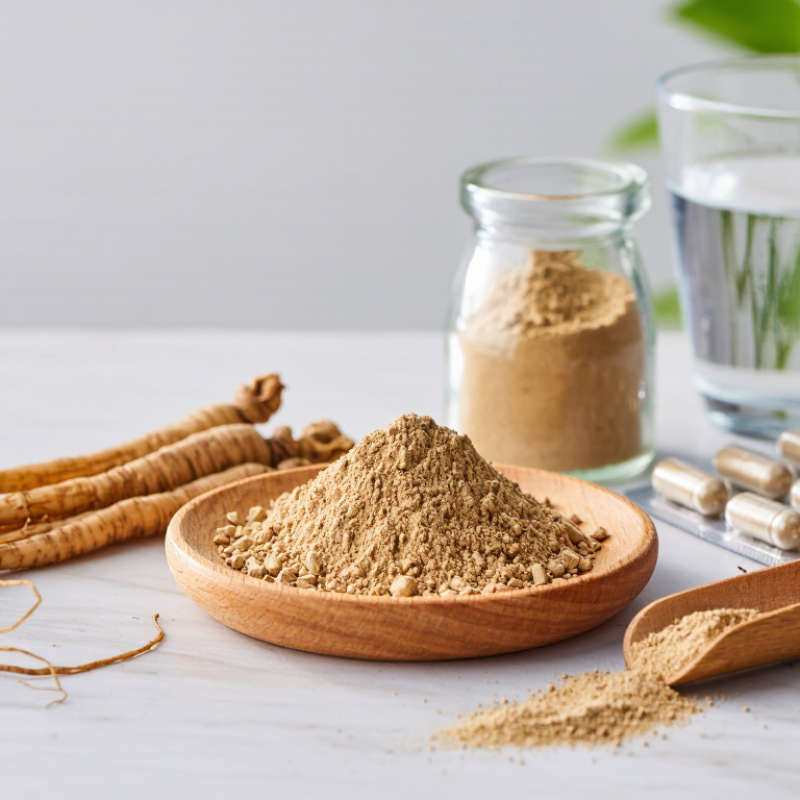
Panax Ginseng Powder is made from the root of Panax ginseng, an herb used in traditional East Asian practices. It is sold in capsules, drink mixes, and loose powder. The fine, beige-brown powder has a distinct earthy, slightly bitter taste. People commonly take it to support energy, focus, or general well-being. But “used for” does not mean “proven to treat.”
Dr. Brent A. Bauer, a Mayo Clinic physician known for evaluating complementary therapies, has emphasized careful assessment of supplement evidence. A fair paraphrase of that approach is: “Tradition can guide a question, but evidence should guide a health decision.” That distinction matters. Research on Asian ginseng suggests possible effects on fatigue and some aspects of mental performance, yet findings are mixed and may not apply to every powder or product. Small studies. Different preparations. Uneven results.
This guide explains what Panax Ginseng Powder is commonly used for, what research can and cannot tell us, and what to check before choosing a product. Processing, concentration, and serving size vary between brands, so the word “ginseng” alone tells you little. Some people may experience insomnia, headaches, or digestive upset. Ginseng may also interact with medicines, including some blood-thinning or blood-sugar treatments. Ask a qualified healthcare professional before using it, especially if you take medication or have a health condition. It is not a replacement for prescribed care. The evidence is still developing, and that uncertainty deserves plain language.
What Panax Ginseng Powder Is
What Is Panax Ginseng Powder Used For?
What Panax Ginseng Powder Is
Panax ginseng powder is made from the dried root of Panax ginseng, a plant native to East Asia. The root is cleaned, dried, and ground into a fine powder. Its color may range from pale tan to yellowish brown, while its aroma is earthy and its taste distinctly bitter. A little sharp. Appearance and flavor can vary with the root’s age and processing.
Panax ginseng is sometimes called Asian or Korean ginseng. It is not the same plant as American ginseng or Siberian ginseng, despite the similar names. The powder may be mixed into drinks, soups, or other foods, or used in dietary supplements. In traditional practices, the root has been used as a tonic; that history does not prove every modern health claim. Research findings depend on the preparation and the outcome being studied, so broad promises deserve caution. The powder is also not automatically interchangeable with extracts, which may be processed and concentrated differently. People taking medication, including blood-thinning or blood-sugar-lowering drugs, should ask a healthcare professional before using it. Ingredient labels matter, too.
| Topic | What the powder may be used for | What is known | Practical notes |
|---|---|---|---|
| What it is | A powdered preparation of the root of Panax ginseng, also called Asian or Korean ginseng. | The root contains ginsenosides and other compounds. Their amounts can vary with the plant, processing, and product. | It is different from American ginseng (Panax quinquefolius) and from Siberian ginseng (Eleutherococcus senticosus). |
| Traditional use | Traditionally used as a tonic and to support general vitality and reduce feelings of tiredness. | Traditional use does not by itself establish that a benefit has been proven in clinical studies. | Powder may be mixed into food or drinks; follow the product directions rather than assuming all powders are equivalent. |
| Fatigue | Sometimes taken in an effort to reduce fatigue or support energy. | Some studies suggest a possible modest benefit for fatigue, but findings are mixed and do not establish it as a treatment for underlying causes of fatigue. | Persistent or unexplained fatigue should be discussed with a healthcare professional. |
| Mental performance | Sometimes used with the aim of supporting attention or cognitive performance. | Research is limited; any effects reported in studies may depend on the tested preparation and task. Benefits are not firmly established. | It should not be considered a proven way to prevent or treat memory disorders. |
| Blood sugar | Studied for possible effects on blood glucose. | Studies have produced mixed results. It is not a substitute for diabetes care or prescribed medication. | People taking glucose-lowering medicines should consult a healthcare professional because blood sugar may need monitoring. |
| Sexual function | Studied as a possible supportive option for erectile function. | Some clinical research suggests a possible benefit, but evidence is limited and does not make the powder a proven cure. | Erectile difficulties can have medical causes and warrant professional assessment. |
| How it is taken | Usually mixed into a drink or food, or taken according to the product’s directions. | There is no single standard dose for all ginseng powders; products can differ in concentration and preparation. | Check the ingredient list and serving instructions. Do not exceed the stated serving without professional advice. |
| Possible side effects | Some people may experience insomnia, headache, or digestive upset. | Side effects and their likelihood can vary by person, amount, and product. | Stop use and seek medical advice if a concerning reaction occurs. |
| Safety and interactions | Use caution if taking medicines or managing a health condition. | Ginseng may interact with medicines, including some that affect blood clotting or blood sugar. Interaction evidence can vary. | Ask a healthcare professional before use if pregnant or breastfeeding, taking regular medication, or preparing for surgery. |
Related Posts
-

Mastering Natural Herb Extracts for Global Sourcing Professionals A Comprehensive Guide
-
Understanding the Benefits of Natural Herb Extracts: An In-Depth Guide
-
How China's Grape Fruit Seed Powder Industry Thrives Amidst US-China Tariff Tensions
-
Innovative Directions for Best Ginger Powder Alternatives in 2025 Technology Evolution
-
Top 10 Benefits of Organic Reishi Mushroom Powder for Health?
-
Elevate Your Health with the Benefits of Organic Broccoli Powder for Global Buyers