
top of page

Why Choose Screen Printing Textile Ink?

Choosing the right ink can shape the quality, durability, and feel of a printed garment. Screen Printing Textile Ink remains a practical choice for apparel makers, workshops, and professional production teams. It works especially well on cotton, cotton blends, and selected synthetic fabrics. A well-chosen formula can create sharp lettering, solid color blocks, and a soft hand feel.

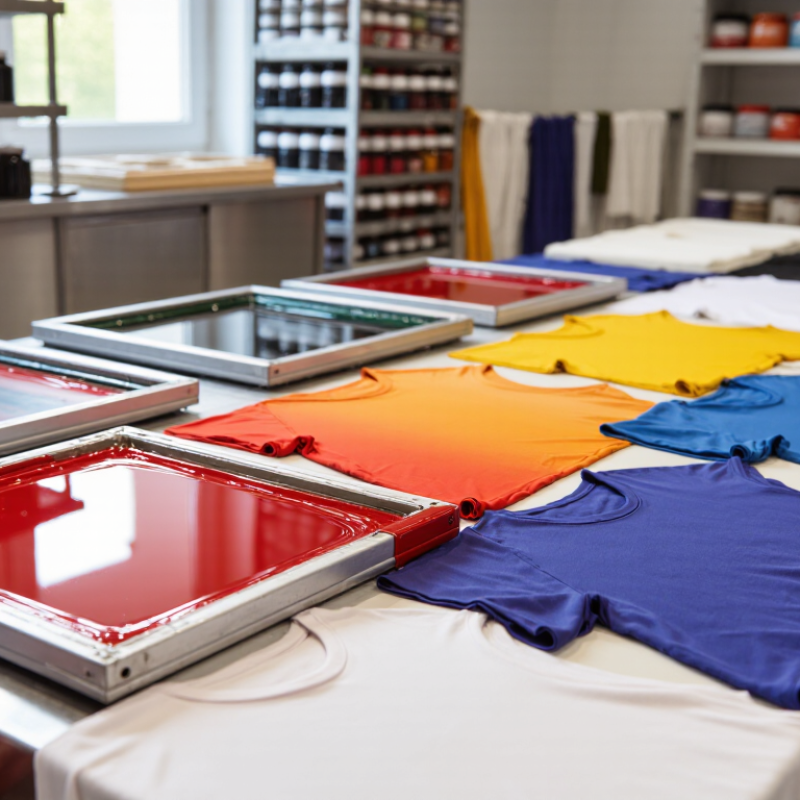
The process is tangible. Ink moves through a mesh screen, passes across the fabric, and settles into each fiber. On a busy production table, this consistency matters. Operators can compare opacity, curing behavior, wash resistance, and surface texture before approving a full run. Small tests often reveal problems that digital specifications cannot show.

Experience still matters.

Different fabrics absorb ink differently. A dark cotton shirt may require a reliable underbase, while a lightweight polyester garment may demand careful temperature control. Screen Printing Textile Ink can offer strong adhesion and vivid results, but no product performs perfectly on every material. That limitation deserves attention.

Manufacturers and experienced printers usually recommend reviewing technical data sheets, safety guidance, and curing requirements. These details support dependable results and responsible workplace practices. Independent wash testing can also confirm whether the print survives repeated laundering, folding, and daily wear. Results may vary between brands, machines, and operators.

The most convincing choice is not always the brightest ink. It may be the formula that cures evenly, feels comfortable, and reduces rework. Careful testing builds confidence. So does admitting when a method needs improvement.
Why Choose Screen Printing Textile Ink?

What Is Screen Printing Textile Ink? Types, Composition, and Uses

Why Choose Screen Printing Textile Ink?

What Is Screen Printing Textile Ink? Types, Composition, and Uses

Screen printing textile ink is a coating pushed through a fine mesh onto fabric. Its basic formula usually combines pigment, binder, water or solvent, and performance additives. The binder anchors color to fibers after curing. Pigments provide strong shades without dissolving into the fabric.

Plastisol ink offers high opacity and a raised hand feel.

Water-based ink creates a softer surface and uses less plastic content.

Discharge ink removes selected fabric dye before adding color.

Silicone ink suits stretchy fabrics because it remains flexible.

Each type behaves differently.

Material choice should follow the garment, print size, and curing equipment. Cotton often accepts water-based and discharge systems well. Polyester may need migration-resistant formulas. A poorly selected ink can bleed, crack, or feel unusually heavy. It happens more often than suppliers admit.

In production testing, wash durability should follow recognized methods such as AATCC TM61. One attractive print proves very little.

Grand View Research values the global textile printing market at roughly US$2.5 billion in 2023 and forecasts continued growth through 2030. Textile Exchange reported global fiber production at about 124 million tonnes in 2023. It expects production to approach 160 million tonnes by 2030.

These figures indicate persistent demand for practical decoration methods. Screen printing remains useful for repeat orders, bold graphics, and specialty textures. It can also reduce unit costs at higher volumes.

Small runs are less convincing. Setup time, screen preparation, and color registration still require careful judgment.

Mesh Counts of 43–120 TPI Suit Common Textile Screen-Printing Jobs

Why Choose Screen Printing Textile Ink?

Mesh counts from 43 to 120 TPI cover many everyday textile screen-printing jobs. Lower mesh counts deposit more ink on fabric. They work well for bold lettering, solid shapes, and textured garments. A 43 TPI screen can help thick textile ink pass through smoothly. However, excessive ink may create heavy edges or slower drying.

Medium counts, such as 77 or 90 TPI, offer a practical balance. They support clear graphics without making the print feel unnecessarily thick. For smaller details and halftones, 120 TPI can produce cleaner edges. The result still depends on ink viscosity, screen tension, stencil quality, and squeegee pressure. Mesh count alone does not guarantee accuracy.

Test prints matter. Always do one.

In my experience, operators often choose a fine mesh too early. The image looks sharp, but the ink struggles to transfer evenly. I have also seen low mesh counts flood small openings with ink. That mistake is easy to miss under bright workshop lights. Check the print after curing, not only when it leaves the screen. Fabric texture can hide weak coverage before heat sets the ink. A 43–120 TPI range is useful, but the best choice changes with garment texture, artwork detail, and desired hand feel. Small adjustments usually outperform rigid formulas.

Curing at 150–170°C Builds Wash-Resistant Textile Ink Films

Why Choose Screen Printing Textile Ink?

Curing at 150–170°C Builds Wash-Resistant Textile Ink Films

Screen printing textile ink creates bold, controlled designs with a tactile surface. Its performance depends heavily on proper curing. At 150–170°C, the ink film can develop stronger adhesion and better resistance to repeated washing. The exact temperature is not universal. Fabric type, ink thickness, dryer airflow, and conveyor speed all affect the result.

A print may feel dry but remain under-cured inside. That mistake often appears after the first few washes. Cracking, fading, or peeling can follow. Experienced printers measure the fabric’s actual surface temperature, rather than trusting the dryer setting alone. They also test a sample through washing before starting a large production run. Small details matter.

Tips: Use a calibrated temperature probe when possible. Keep the printed area in the curing zone long enough to reach the target temperature. Avoid stacking warm garments immediately. Test dark fabrics, thick deposits, and stretch materials separately. A simple wash test can reveal problems early. Still, no process is perfect. Different fabric batches may react differently, so curing records should be reviewed and adjusted when results change.

Why Choose Screen Printing Textile Ink? - Curing at 150–170°C Builds Wash-Resistant Textile Ink Films

Data Dimension Typical Value or Range Why It Matters Practical Consideration
Recommended curing temperature 150–170°C Promotes the formation of a continuous, durable ink film. Use the ink supplier’s technical data sheet as the final reference.
Typical dwell time in a conveyor dryer 60–120 seconds Provides sufficient time for the printed film to reach its target cure temperature. Actual time depends on dryer airflow, belt speed, garment thickness, and ink deposit.
Recommended substrate range Cotton, cotton blends, and many synthetic textiles Screen printing can produce opaque, graphic, and high-build designs on common apparel fabrics. Test heat-sensitive fabrics for shrinkage, dye migration, and distortion before production.
Wash-resistance mechanism Cross-linked or coalesced cured film A properly cured film adheres more strongly to fibers and resists cracking, peeling, and abrasion. Under-curing is a common cause of poor wash durability.
Recommended wash-care validation Evaluate after repeated home-laundry cycles Repeated washing reveals adhesion loss, cracking, fading, and surface wear more reliably than a single wash. Use a consistent detergent, water temperature, drying method, and inspection procedure.
Film thickness influence Higher deposits generally require more heat penetration and time Thick prints may appear dry on the surface while remaining under-cured internally. Confirm the temperature at the ink film, not only the dryer chamber temperature.
Benefits of controlled curing Improved adhesion, flexibility, opacity, and durability Stable curing helps the printed design retain its appearance during use and laundering. Avoid excessive heat or overexposure, which may damage fabrics or alter the print surface.
Common signs of under-curing Tackiness, cracking, peeling, color loss, or ink transfer These indicators suggest that the film did not receive adequate heat or dwell time. Check belt speed, dryer temperature, airflow, print thickness, and substrate moisture.
Production quality-control method Temperature verification plus wash and adhesion testing Combining process monitoring with finished-garment testing provides more reliable quality control. Record dryer settings and test results for each fabric and ink system.

Note: The values shown are general industry guidelines. Curing requirements vary by ink chemistry, fabric construction, print thickness, and dryer performance; always verify the process with the applicable technical data sheet and production testing.

Ink Deposits of 20–100 μm Shape Opacity, Hand Feel, and Coverage

Why Choose Screen Printing Textile Ink?

A screen printing textile ink layer may deposit between 20 and 100 μm. That range strongly affects opacity, coverage, and hand feel. In practical production, a 20 μm deposit can look soft and breathable on light fabric. Dark garments often need a thicker layer for clearer color separation. However, more ink does not always create better coverage. Excessive deposits may feel heavy, crack during stretching, or hide the fabric’s natural texture.

I have found that mesh count, squeegee pressure, stroke speed, and ink viscosity all influence the final film. A 60 μm deposit may appear balanced on cotton, yet feel too dense on lightweight polyester. Pigment strength also matters. A pale ink may require greater thickness than a highly concentrated formulation. Test prints remain essential. My early assumption was that thickness alone controlled opacity, but substrate color changed the result more than expected.

Tips: Use test swatches before production. Measure deposit thickness when possible, and compare prints after curing and washing. Keep pressure consistent across the design. Watch the fabric under side lighting; uneven areas often reveal poor coverage. A smoother hand feel may require a thinner deposit, but it can reduce opacity. That trade-off deserves careful review.

Why Choose Screen Printing Textile Ink?

Ink Deposits of 20–100 μm Shape Opacity, Hand Feel, and Coverage

As the dry ink deposit increases, opacity and coverage strength generally improve, while ink usage rises and the printed surface becomes more noticeable to the touch. The reference values below illustrate typical directional behavior; actual results vary with pigment concentration, mesh count, squeegee pressure, fabric construction, and curing conditions.

Water-Based and PVC-Free Inks Address Solvent and Chemical Concerns

Why Choose Screen Printing Textile Ink?

Water-based, PVC-free inks offer a cleaner approach to textile screen printing. They reduce reliance on solvent-heavy formulations and avoid PVC-based plasticizers. This matters in busy print rooms with limited air movement. The print area can feel less harsh during production. However, “water-based” does not mean chemical-free. Every product still needs proper handling, ventilation, and safety information.

From practical testing, these inks can create soft prints that sit naturally within cotton fibers. They are useful for lightweight shirts, children’s clothing, and breathable fabrics. Their performance depends on mesh choice, ink deposit, drying temperature, and fabric preparation. Poor curing may cause cracking or weak wash resistance. I have seen attractive prints fail after several washes. That result is disappointing, but it shows why testing matters.

Tips: Test a small fabric panel first. Check the safety data sheet. Measure curing temperature, not only dryer time. Wash the sample repeatedly before production. Keep screens from drying during pauses. Some colors need more heat or longer drying. Results can vary between fabric batches. Do not assume one setting fits every garment. A slower workflow may produce a more reliable print.

  • LinkedIn Social Icon

© 2024 by LIPOND INTERNATIONAL INC. All rights reserved. Blog

bottom of page