What is Transparent Biodegradable Food Film and Its Benefits?
In recent years, the food packaging industry has seen a shift towards sustainable solutions. One innovative product gaining attention is Transparent Biodegradable Food Film. This eco-friendly alternative aims to reduce plastic waste, a significant global issue. According to a 2021 report by Fortune Business Insights, the biodegradable packaging market is expected to reach $8.1 billion by 2027. This statistic highlights the growing demand for sustainable materials.
Transparent Biodegradable Food Film provides benefits not only for the environment but also for food preservation. Research indicates that these films can maintain food freshness while minimizing environmental impact. However, the adoption of such materials is still in its early stages. Challenges remain in balancing cost-effectiveness and performance. Some consumers may be unfamiliar with how these films compare to traditional plastic wraps.
As the industry evolves, it is crucial to educate both manufacturers and consumers on the advantages of Transparent Biodegradable Food Film. Continuous innovation and research will help address existing concerns. By understanding the potential of these materials, society can move closer to a sustainable future.
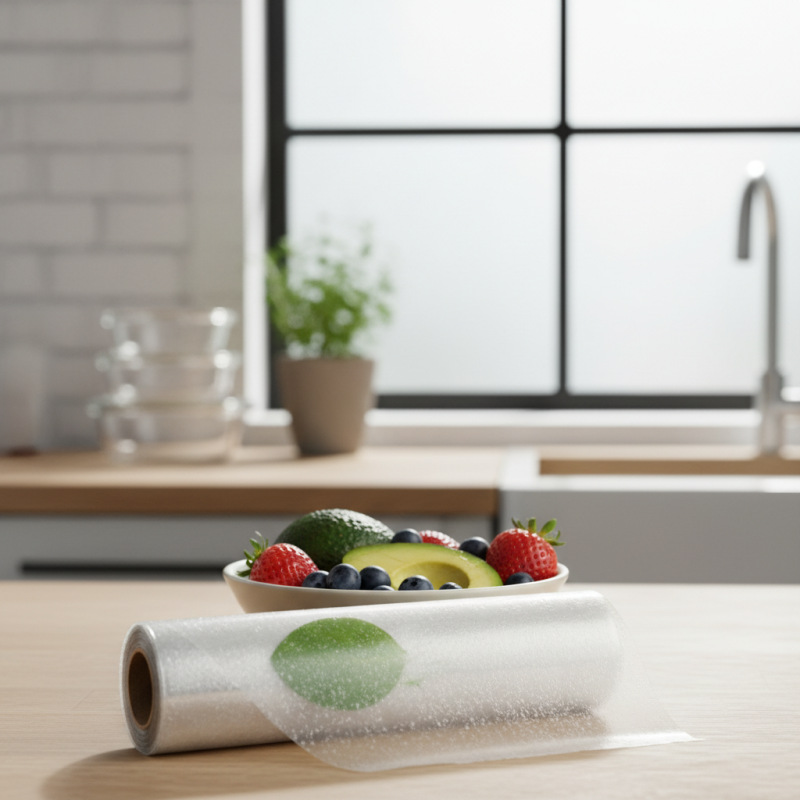
What is Transparent Biodegradable Food Film?
Transparent biodegradable food film represents a significant advancement in sustainable packaging. Unlike traditional plastic films, this innovative solution is made from natural polymers, such as starch or cellulose. A report by Research and Markets indicates that the global biodegradable packaging market is projected to reach $600 billion by 2025. This growth reflects a rising awareness of environmental impacts.
Such films effectively protect food while reducing waste. They decompose in composting environments within 90 to 180 days. This timeframe is shorter than conventional plastics, which can take centuries to break down. A study from the European Commission highlights that 40% of plastic waste originates from food packaging, underscoring the need for alternatives.
Despite their benefits, challenges persist. Consumer acceptance varies; many still question the efficacy of biodegradable films. Furthermore, the cost of production remains higher than traditional options, which can deter widespread use. As the industry evolves, addressing these concerns is crucial for broader adoption. Improved educational efforts could enhance consumer trust in these eco-friendly solutions.
Key Materials Used in Transparent Biodegradable Food Film Production
Transparent biodegradable food film represents a significant innovation in sustainable packaging. The primary materials used in its production include polylactic acid (PLA), polyhydroxyalkanoates (PHA), and natural biopolymers such as starch and cellulose. According to the European Bioplastics Association, the PLA market is expected to grow at a CAGR of 20% from 2021 to 2026. This growth indicates a strong demand for eco-friendly alternatives.
PLA is derived from fermented plant starch, making it compostable in industrial facilities. PHA, produced by microorganisms, decomposes more readily than conventional plastics. Studies show that PHA can break down in marine environments, addressing ocean pollution. Additionally, starch-based films contribute to renewable resource utilization, although their durability may fall short compared to synthetic options.
While these materials offer distinct benefits, challenges persist. For instance, PLA's performance at high temperatures is limited, which can restrict its applications. Moreover, sourcing raw materials for bioplastics requires land and energy, leading to potential trade-offs in sustainability. Ongoing research aims to enhance the properties of biodegradable films, striving for a balance between performance and environmental impact.
Comparative Analysis: Biodegradable vs. Conventional Food Films
Biodegradable food films offer a more sustainable alternative to conventional options. Made from renewable resources, they break down naturally over time. In contrast, traditional food films often contain plastic. This leads to increased environmental pollution. Conventional films can persist in landfills for hundreds of years.
The performance of biodegradable films can vary. Some may not provide the same barrier against moisture as traditional films. However, advancements in material science are improving their qualities. These films often allow for better air circulation, which can help maintain freshness. They can be transparent, allowing visibility of the product inside, similar to conventional films.
Cost can also be a factor. Biodegradable films can be more expensive due to their manufacturing processes. It's essential to weigh the benefits against the costs. For consumers aiming for a greener lifestyle, the investment might be worth it. Education around these options is critical. Many still use plastic films out of habit or lack of awareness. Understanding these differences can lead to more informed choices.
What is Transparent Biodegradable Food Film and Its Benefits?
| Feature | Biodegradable Food Film | Conventional Food Film |
| Material Source | Plant-based materials (e.g., cornstarch) | Petroleum-based plastics (e.g., PVC, PE) |
| Biodegradability | Fully biodegradable within months | Takes hundreds of years to decompose |
| Environmental Impact | Lower carbon footprint | Higher carbon emissions during production |
| Food Safety | Generally safe with no harmful chemicals | May contain harmful additives |
| Usage | Ideal for wrapping fresh produce | Commonly used for various food packaging |
| Cost | Typically higher due to material sourcing | Generally cheaper due to mass production |
| Consumer Awareness | Increasing awareness and demand | Declining interest as environmental issues are highlighted |
Environmental Impact: Reduction in Plastic Waste with Biodegradable Films
The rise of transparent biodegradable food films marks a significant change in our approach to food packaging. These films provide an alternative to traditional plastic wraps, which contribute heavily to environmental waste. Studies show that biodegradable films can break down naturally, reducing plastic waste in landfills and oceans. This transition appeals to environmentally conscious consumers seeking sustainable options.
Using biodegradable films can diminish plastic pollution. They typically consist of plant-based materials, which offer a safer disposal method. When discarded, these films can decompose in composting facilities or through natural processes. However, some challenges remain. Not all commercial biodegradable films break down universally, and variations in composition can impact their effectiveness. Educating consumers about proper disposal methods is crucial to maximize their benefits.
Despite their potential, this innovation also invites scrutiny. Manufacturers must ensure that these films do not compromise food safety. There's ongoing debate over the environmental impact of production processes. We need more research to understand the complete lifecycle of these products. As the trend grows, transparency in sourcing and manufacturing is vital to build trust and reliability.
Market Trends and Growth Projections for Biodegradable Food Packaging
The growing awareness of environmental issues is driving the demand for biodegradable food packaging. Transparent biodegradable food film, made from natural materials, offers a promising solution. It allows consumers to see the product inside while being eco-friendly. The film decomposes over time, reducing plastic waste in landfills.
Market trends indicate a significant uptick in investments in biodegradable packaging solutions. Research shows an annual growth rate of over 15% in this sector. As regulations tighten around plastic usage, many companies are shifting their focus to sustainable alternatives. However, there are still challenges, like maintenance of product freshness and durability during transportation.
Consumers are becoming more informed. They are actively seeking out products that align with their values. Yet, there is still a gap in understanding the full potential of biodegradable materials. Some consumers question the effectiveness compared to traditional plastics. Continuous education and research are needed to bridge this gap. Companies must strive for transparency in their packaging solutions to build trust with consumers.
Market Trends for Biodegradable Food Packaging
This bar chart illustrates the projected growth of the biodegradable food packaging market from 2020 to 2025, showcasing an increasing trend towards the adoption of environmentally friendly packaging solutions.