Top Plant Extracts From China for Global Buyers?
In recent years, Plant Extracts have gained significant traction in global markets. According to a report from Grand View Research, the global market for plant extracts is projected to reach USD 53.35 billion by 2027, growing at a compound annual growth rate (CAGR) of 8.4%. China stands out as a leading producer of plant extracts, providing a vast array of natural ingredients.
These plant extracts play a vital role in various industries, including pharmaceuticals, food and beverages, and cosmetics. Chinese herbal medicine has a history of over 2,000 years, and its rich biodiversity offers unique options for global buyers. However, sourcing high-quality plant extracts can come with challenges. It is essential for businesses to verify authenticity and quality to ensure reliability.
Not all plant extracts are created equal. Some may contain contaminants or inconsistent active ingredients. Buyers need to navigate this complex landscape. Engaging with reputable suppliers and understanding industry standards is crucial. The growing demand for natural products emphasizes the need for awareness and due diligence in procurement.
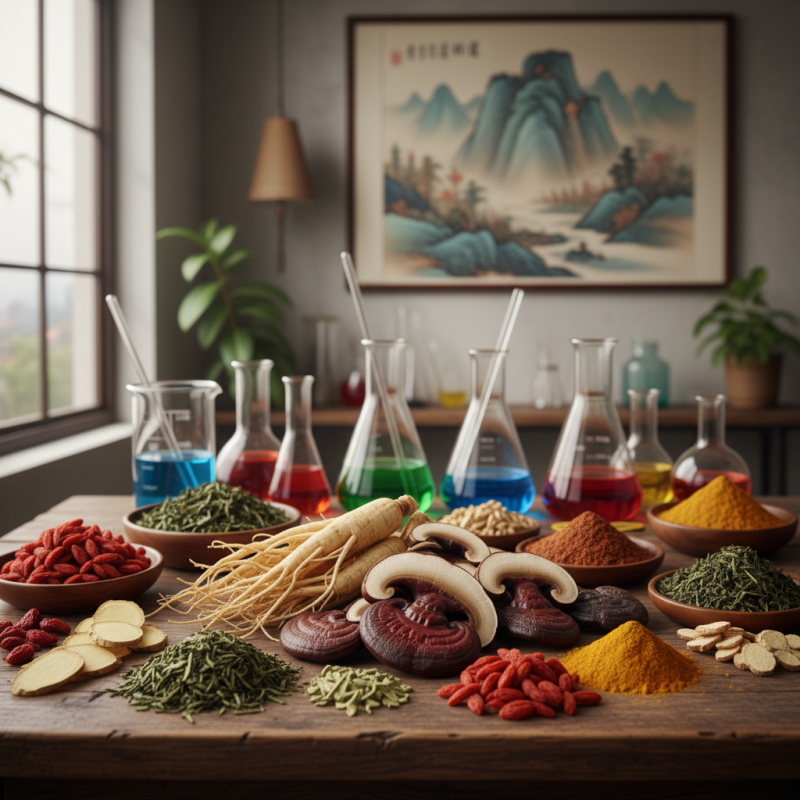
Overview of Plant Extracts from China
China is renowned for its diverse range of plant extracts. These extracts have vast applications in cosmetics, pharmaceuticals, and food industries. With a rich biodiversity, China produces unique plant materials that are sought after worldwide. The extracts often come from medicinal herbs, roots, and flowers, each offering specific health benefits.
When sourcing plant extracts, buyers should consider the quality and purity of the products. It's essential to work with reliable suppliers who adhere to quality standards. Visiting production sites can offer valuable insight into cultivation and extraction processes. These practices can significantly influence the final product.
Tips: Always request samples before making bulk purchases. Test the extracts for potential contaminants. Understand the extraction methods used, as they can impact the efficacy of the extracts. This step can prevent future disappointments and ensure product quality. Rely on expert advice when evaluating potential suppliers.
Top Plant Extracts From China for Global Buyers
| Plant Extract | Botanical Name | Common Use | Extraction Method | Top Export Markets |
| Ginkgo Biloba Extract | Ginkgo biloba | Cognitive support, Circulation | Solvent extraction | North America, Europe |
| Green Tea Extract | Camellia sinensis | Antioxidant, Weight management | Water extraction | Worldwide |
| Rhodiola Extract | Rhodiola rosea | Stress relief, Fatigue reduction | Ethanol extraction | Europe, North America |
| Chinese Skullcap Extract | Scutellaria baicalensis | Anti-inflammatory, Immune support | Steam distillation | Asia, Europe |
| Siberian Ginseng Extract | Eleutherococcus senticosus | Energy boost, Adaptogen | Cold water extraction | North America, Europe |
Key Industries Utilizing Chinese Plant Extracts
Chinese plant extracts are gaining traction in various global industries. The natural products market has shown significant growth, projected to reach $23.8 billion by 2027, according to industry reports. This demand is driven primarily by sectors such as food and beverages, cosmetics, and pharmaceuticals.
The food and beverage industry is a major user of these extracts. Natural colors and flavors derived from plants are preferred as consumers demand healthier alternatives. Research indicates that 70% of beverage manufacturers are shifting towards more natural ingredients. In cosmetics, plant extracts like green tea and ginseng are favored for their antioxidant properties, with the global market expected to reach $800 billion by 2025. However, sourcing high-quality extracts remains a challenge due to inconsistencies in quality and sustainability practices.
Pharmaceutical companies are also increasingly utilizing plant extracts. The World Health Organization estimates that 80% of people rely on traditional medicine, which heavily features plant-based treatments. While the benefits are clear, the industry must address issues related to supply chain transparency and the standardization of extract concentrations. This creates both opportunities and challenges for buyers seeking reliable sources of plant extracts from China.
Top Plant Extracts from China and Their Key Industries
Popular Plant Extracts and Their Benefits
China is renowned for its diverse array of plant extracts. These extracts are favored for their health benefits, making them popular among global buyers. Ginseng root is a prime example. Known for its adaptogenic properties, it helps the body manage stress and improve energy levels. Many people seek it out for its potential to boost cognitive function as well.
Another notable extract is goji berry. This tiny fruit packs a punch with antioxidants. It is often praised for supporting immune health and promoting skin vitality. Some studies suggest it may help enhance overall well-being. While promising, the benefits of goji berries can vary among individuals.
Lastly, green tea extract is widely recognized for its ability to support metabolic health. Rich in EGCG, it may aid weight management and improve heart health. However, the effects can differ depending on lifestyle factors and diet. buyers should approach these plant extracts with mindful consideration of their personal health needs.
Regulatory Considerations for Global Buyers
When purchasing plant extracts from China, global buyers must understand regulatory considerations. Compliance with local regulations is crucial. Different countries have varying rules around sourcing and using herbal products. The World Health Organization reported that 80% of people in developing countries rely on traditional medicine. This statistic emphasizes the significance of quality sourcing.
In the EU, for example, plant extracts must meet specific safety standards. The European Food Safety Authority (EFSA) evaluates health claims linked to botanicals. Compliance failures can lead to product recalls or financial losses. Buyers should review regulatory documents carefully. Engaging with consultants can be beneficial for navigating complex rules.
The United States also has stringent regulations. The Food and Drug Administration (FDA) oversees dietary supplements made from plant extracts. This includes labeling requirements and ingredient safety assessments. Notably, the global market for herbal extracts is projected to reach USD 30.1 billion by 2025, according to a recent research report. Buyers must remain vigilant and informed to thrive in this robust market.
Future Trends in the Chinese Plant Extract Market
The Chinese plant extract market is evolving rapidly. Recent reports estimate that the market will reach approximately $47.01 billion by 2025, growing at a CAGR of around 10%. This growth is driven by rising global demand for natural ingredients across various sectors, including cosmetics, pharmaceuticals, and food industries.
The increasing preference for natural products is significant. Consumers now prioritize health and sustainability. As a result, many manufacturers are switching to plant extracts instead of synthetic ingredients. However, there are challenges ahead. Quality control remains a concern in sourcing raw materials. Not all suppliers adhere to stringent standards, leading to variability in extract potency and effectiveness.
Additionally, innovation is essential for this market's future. Researchers are exploring advanced extraction methods to enhance yield and purity. The trend towards personalized health products also creates niche opportunities. Still, companies must navigate a complex regulatory landscape. This requires a deep understanding of both local and international laws. Only then can they ensure compliance while meeting market demands.