Top 10 Orthopedic Implants You Need to Know About?
orthopedic implants play a crucial role in modern medicine, transforming lives through advanced surgical solutions. Dr. Robert Thompson, a renowned orthopedic surgeon, stated, "The right orthopedic implant can make all the difference in a patient's recovery." These implants are designed to support, stabilize, and restore functionality to damaged bones and joints.
From hip replacements to spinal implants, each type serves a specific purpose in restoring mobility. Understanding these tools helps patients make informed decisions. Many patients feel anxious about the surgery. They often wonder about the longevity and effectiveness of the implants. This concern is valid; not all implants perform as expected.
Patients should be aware that while orthopedic implants can enhance quality of life, they may not be perfect solutions. Some implants can lead to complications or may require revisions down the line. It's essential to have open conversations with healthcare providers. This discussion can lead to more personalized treatment plans and better outcomes.
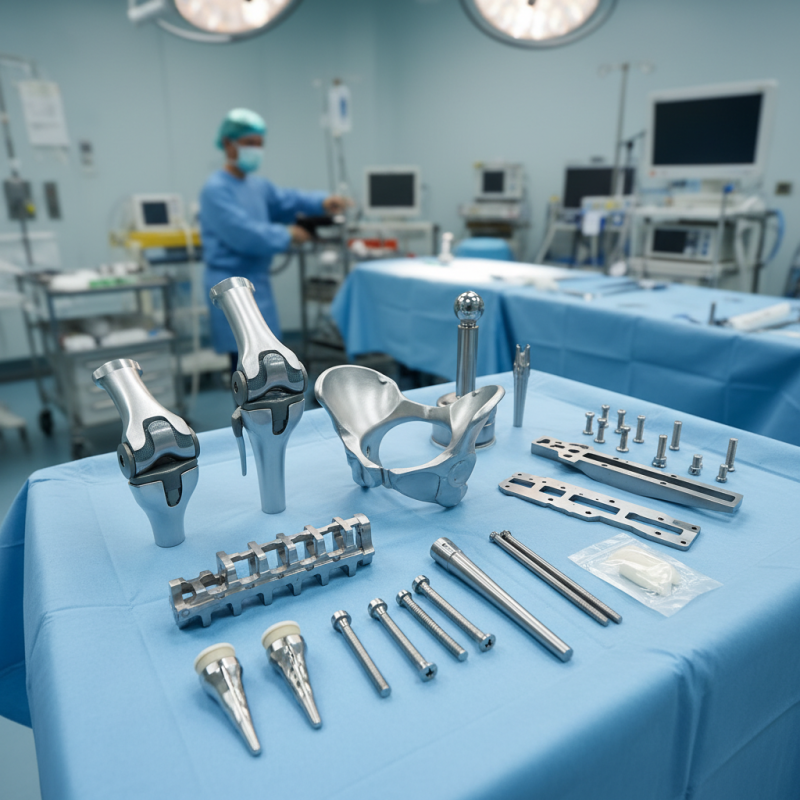
Overview of Orthopedic Implants and Their Importance
Orthopedic implants play a crucial role in modern medicine. They help restore mobility and alleviate pain. From joint replacements to fracture fixations, these devices change lives. Surgeons use them to support healing after injury or disease. A well-placed implant can provide stability and improve function.
However, complications can arise. Infection is a risk when inserting implants. Patients must follow recovery protocols closely. Additionally, some implants may not integrate fully with bone. This can lead to discomfort or limited movement. Each patient’s body responds differently, making outcomes unpredictable.
Understanding these implants is key. They are not just metal or plastic; they are solutions to complex problems. Patients should have open discussions with their healthcare providers. Being informed helps them manage expectations and understand potential risks. Educating oneself about these devices can empower patients during their healing journey.
Top 10 Orthopedic Implants You Need to Know About
| Implant Type | Material | Common Use | Recovery Time | International Standards Compliance |
| Total Hip Replacement | Titanium, Polyethylene | Hip Osteoarthritis | 3-6 Months | ISO 13485 |
| Knee Implant | Cobalt-Chromium, Polyethylene | Knee Osteoarthritis | 3-12 Months | ASTM F136 |
| Spinal Fusion Device | Titanium, PEEK | Spinal instability | 4-6 Months | ISO 14971 |
| Intramedullary Nail | Stainless Steel | Long Bone Fractures | 2-4 Months | ISO 9001 |
| Plate and Screw System | Titanium, Stainless Steel | Fracture Fixation | 6-12 Weeks | ISO 13485 |
| Shoulder Prosthesis | Cobalt-Chromium, Polyethylene | Shoulder Arthritis | 3-4 Months | ISO 13485 |
| Ankle Fusion Device | Titanium | Ankle Arthritis | 3-6 Months | ISO 14971 |
| Screw and Anchor Devices | Polycarbonate, Stainless Steel | Soft Tissue Repair | 4-10 Weeks | ASTM F648 |
| Bone Graft Substitute | Calcium Phosphate | Bone Healing | Varies | ISO 13485 |
| Cartilage Repair System | Collagen, Hydrogel | Articular Cartilage Damage | 6-12 Months | ISO 13485 |
Types of Common Orthopedic Implants Used in Surgery
Orthopedic implants are essential in many surgical procedures. These devices aid in stabilizing bones, ligaments, and joints after injury or disease. Surgeons utilize various types of implants, each designed for specific functions. Common options include plates, screws, and rods that fixate bones. There are also joint replacements, which are crucial for patients with severe arthritis.
Screws and plates stabilize fractures, allowing bones to heal properly. In some cases, rods are inserted into the bone to provide internal support. The use of joint implants improves mobility for patients. However, not all patients respond positively to these devices. Some experience complications, like infections or implant failure.
Surgeons must weigh the advantages and drawbacks of each implant type. Patient-specific factors play a role in this decision. Quality of life can improve after implant surgery, yet risks linger. Understanding these implants is vital for anyone considering orthopedic surgery.
Top 10 Orthopedic Implants You Need to Know About
Factors to Consider When Choosing Orthopedic Implants
Choosing the right orthopedic implant can be challenging. There are numerous factors to consider before making a decision. Material is crucial. Implants are typically made from metals, polymers, or ceramics. Each material has its advantages and disadvantages. You need to think about allergies, biocompatibility, and strength.
Another important factor is the type of procedure being performed. Different surgeries require different implants. A joint replacement is not the same as a fracture fixation. You must ensure that the implant fits the specific need. Discussing options with your surgeon is essential. They can provide insights that may not be obvious.
Lastly, think about the recovery process. Some implants may require longer recovery times. The overall lifestyle and activity level should be considered. Will you be able to adapt? Recovery doesn't always go as planned. Sometimes, additional procedures are necessary. It’s important to reflect on these aspects before proceeding.
Latest Innovations and Technologies in Orthopedic Implants
The field of orthopedic implants is evolving rapidly. Recent innovations are changing how we approach surgical procedures. Smart implants, equipped with sensors, collect real-time data. This feedback allows doctors to monitor recovery more effectively. For instance, these implants can track weight-bearing and mobility. This information helps tailor rehabilitation plans for each patient.
Another exciting development is the use of 3D printing. Custom implants can be created to perfectly fit a patient’s anatomy. This reduces the chance of complications and improves outcomes. However, the materials used must be carefully evaluated. Biocompatibility is crucial for ensuring patient safety. Challenges remain in balancing customization with production efficiency.
Robotic-assisted surgery is also making waves in the orthopedic field. Robots enhance precision during implant placement. They can minimize damage to surrounding tissues. Yet, reliance on technology can raise questions. Surgeons must remain skilled and vigilant. A mix of technology and traditional methods may yield the best results. The future of orthopedic implants is bright but requires thoughtful integration of these innovations.
Future Trends in Orthopedic Implant Design and Functionality
The field of orthopedic implants is evolving rapidly. There are exciting trends on the horizon. One of them is the use of smart materials. Smart materials can adapt to the body’s changes. They offer better compatibility and function over time. These implants might respond to stress, strain, or even biological signals. Imagine an implant that adjusts itself for optimal performance.
Another trend is 3D printing technology. Custom implants made specifically for individual patients are becoming more common. This personalization could lead to quicker recovery times. It may also reduce the chance of rejection by the body. Yet, there are challenges as well. The production quality and long-term durability of these implants must be ensured.
Biodegradable implants are garnering interest too. They dissolve over time, reducing the need for additional surgeries. This could significantly streamline the treatment process. However, questions arise about their structural integrity. Can they support the necessary weight throughout the healing phase? As innovation continues, the orthopedic field faces a balancing act between cutting-edge designs and practical implementation.