What Are the Top Gelatin Factories in 2026?
What Are the Top Gelatin Factories in 2026? This question demands more than a list of famous manufacturers. It requires careful attention to source materials, processing controls, certification, production capacity, and customer needs. A dependable Gelatin Factory should show consistent quality from raw collagen selection to final packaging. Its laboratories should test gel strength, viscosity, microbiological safety, moisture, and traceability.
Dr. Rainer Schrieber, co-author of The Gelatin Handbook, emphasizes, “Gelatin quality depends on raw materials, process control, and reliable testing.” That principle remains highly relevant in 2026. The strongest factories combine modern extraction systems with experienced technical teams. They also document each production stage clearly. Buyers should examine audit records, application support, delivery performance, and published specifications. Marketing claims alone are not enough.
Details matter. A well-managed plant may use stainless-steel processing lines, sealed storage rooms, and automated temperature monitoring. It may also offer bovine, porcine, or fish gelatin for different markets. Yet no factory is perfect. Supply disruptions, changing energy costs, and inconsistent raw materials can affect performance. This review therefore considers both strengths and limitations. It compares leading manufacturers through practical evidence, not reputation alone. The ranking may still change as new investments, sustainability projects, and regional demand develop. That uncertainty deserves honest attention.
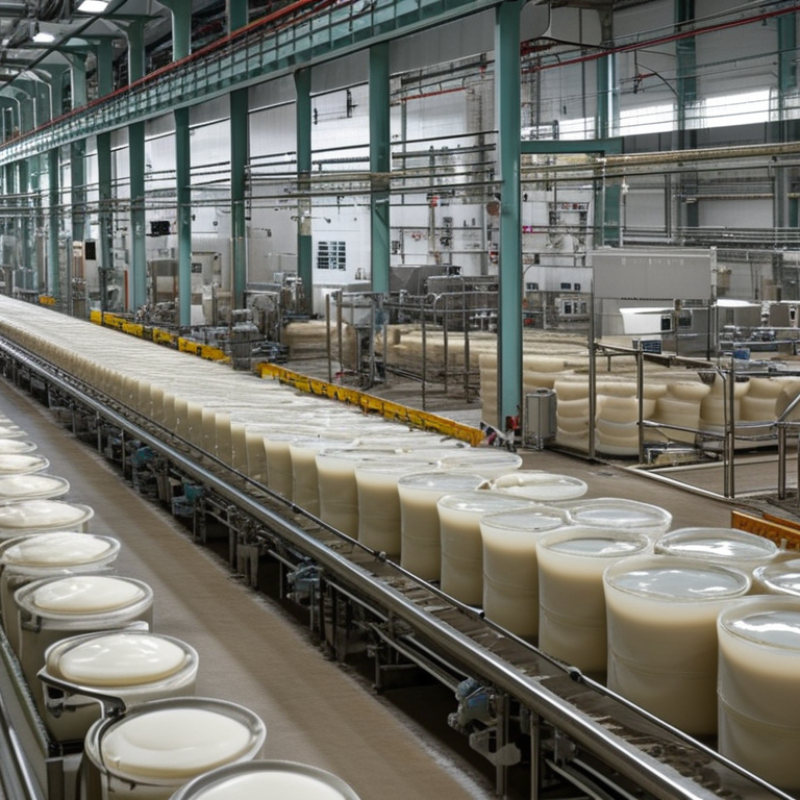
What Defines a Leading Gelatin Factory in 2026?
A leading gelatin factory in 2026 is defined by control, not capacity alone. Grand View Research estimates the global gelatin market will grow at about 5% annually through 2030. That growth raises pressure on factories to prove every batch. Strong facilities track animal-source documents, temperature records, extraction time, and bloom strength from intake to dispatch. Their laboratories test viscosity, moisture, microbiological safety, and heavy-metal limits. They also use validated cleaning systems and independent audits under recognized food-safety standards, such as ISO 22000.
Traceability must work during a real recall, not only during an inspection. A capable factory can identify the supplier, production line, operators, and shipment within hours. That sounds simple. It often is not. IMARC Group’s recent gelatin market analysis highlights rising demand from food, pharmaceutical, and nutraceutical applications. Different uses require tighter specifications and cleaner documentation. Leading plants therefore separate materials carefully, maintain calibrated instruments, and train staff repeatedly. Energy and water performance also matter. Efficient extraction, heat recovery, and wastewater treatment reduce cost and environmental risk. However, many published factory claims remain difficult to compare. Buyers should question impressive percentages without test methods, time periods, or audit evidence.
Tips: Ask for recent certificates, sample test reports, recall procedures, and source-traceability records. Visit the laboratory if possible. Look beyond glossy capacity figures. A smaller plant with consistent quality may outperform a larger one. At the same time, no factory is flawless; transparent corrective-action records can reveal more professionalism than perfect marketing language.
How Gelatin Factories Source and Process Their Raw Materials
What Are the Top Gelatin Factories in 2026?
Reliable gelatin factories begin with controlled raw material sourcing. They commonly use inspected bovine hides, pork skins, bones, or fish skins. Each source requires different handling. Suppliers should provide origin records, veterinary documents, and transport details. Temperature control matters during delivery. Warm, poorly stored materials can develop odors and microbial risks.
At the factory, workers inspect, trim, wash, and sort the materials. Bones may be crushed and treated to remove minerals. Hides and skins often receive carefully controlled acidic or alkaline treatment. This changes the collagen structure. Hot-water extraction then releases gelatin from the prepared material. Several extraction stages help separate different grades. Filtration removes fine particles, while evaporation increases concentration. Sterilization, cooling, and drying create stable gelatin sheets or powder.
A practical factory audit examines more than shiny equipment. It checks batch records, laboratory results, cleaning schedules, and employee training. Tests usually cover gel strength, viscosity, moisture, ash, color, and microbiological safety. Traceability should connect each finished lot to its original materials. The paperwork is not exciting, but it protects consistency.
No factory is flawless. Sampling plans can miss problems, and rushed maintenance creates avoidable risks. A strong operation admits these weaknesses and corrects them quickly. Independent testing also adds credibility when internal results look unusually perfect. Clear supplier standards, documented processing controls, and honest quality reporting separate dependable factories from merely impressive facilities.
Which Regions Host the Top Gelatin Manufacturers?
In 2026, the strongest gelatin manufacturing regions are not defined by one simple ranking. China remains a major production base, supported by extensive processing capacity and large livestock supply chains. India is also important, especially for bovine gelatin and growing pharmaceutical demand. European manufacturers cluster across Germany, Italy, France, Belgium, and the Netherlands. These sites benefit from strict food controls, technical research, and efficient transport links. The United States maintains specialized capacity for food, nutrition, and medical applications.
Regional strength depends on more than factory size. Buyers should examine collagen sources, extraction records, microbiological testing, allergen controls, and batch traceability. Procurement reviews often show that smaller audited plants can outperform larger facilities with vague documentation. It can happen. Temperature-controlled storage and nearby ports also influence delivery reliability. Asian factories may offer scale and competitive production costs. European sites often provide detailed compliance records and consistent technical support. North American facilities can shorten supply routes for domestic customers. Still, these patterns are not absolute. Public rankings may overlook contract plants, new capacity, or seasonal shutdowns. A careful review should include recent audit reports, certificates, sample testing, and production continuity. That distinction is easy to miss during a price-focused tender.
How to Compare Gelatin Quality, Certifications, and Production Capacity
What Are the Top Gelatin Factories in 2026?
Comparing gelatin factories requires more than checking annual output. I examine sample performance, audit records, and production consistency. Gel strength, often measured in Bloom values, should match the intended application. Viscosity, moisture, ash, color, and odor also deserve attention. A clear certificate of analysis should accompany every commercial batch. Testing should cover microbiological limits and heavy-metal controls. Traceability matters when raw materials move through several processing stages. I prefer suppliers that can explain each step without vague language.
Certifications can strengthen confidence, but they are not proof of perfect quality. Look for current HACCP, GMP, ISO 22000, halal, or kosher documentation when relevant. Confirm the certification scope and issuing body. An expired certificate is useless.
Tips: Request three separate samples from different batches. Compare gel strength after identical preparation. Ask for recent third-party laboratory results. Check whether the factory reports installed capacity or actual monthly output. These figures can differ sharply. Also review lead times, backup utilities, storage conditions, and recall procedures. A factory may promise large volumes, yet struggle during peak seasons. I have learned that a small inconsistency in testing temperature can distort comparisons. That mistake is easy to make. Keep your own testing notes and repeat critical checks before signing a supply agreement.
What Trends Are Shaping the Gelatin Industry in 2026?
What Are the Top Gelatin Factories in 2026?
Gelatin factories are being judged by more than production volume in 2026. Buyers now examine source traceability, audit records, extraction efficiency, and batch consistency. The Gelatin Manufacturers Institute estimates global gelatin production at roughly 400,000 metric tons annually. That scale increases pressure on factories to reduce water, energy, and raw-material waste.
The strongest industry trend is ingredient transparency. Grand View Research identifies clean-label demand as a major growth driver for gelatin applications in food, supplements, and pharmaceuticals. Factories are responding with clearer animal-source declarations, stronger allergen controls, and certified production lines. Halal and kosher compliance also matters in international purchasing. Small details matter, such as sealed sampling areas and temperature records during drying.
Demand is also becoming more specialized. Pharmaceutical-grade gelatin requires tighter microbiological control, while nutraceutical producers want reliable bloom strength and faster documentation. Several market reports forecast continued growth through 2030, although their estimates differ considerably. That disagreement deserves attention. Forecasts are useful, but they can hide regional risks, changing livestock supplies, and higher processing costs.
Factories investing in lower-temperature processing, wastewater recovery, and digital batch tracking may gain an advantage. Artificial intelligence could improve quality checks, but human review remains necessary. Machines still miss context. A damaged shipment or unclear certificate can disrupt an entire production schedule.
What Are the Top Gelatin Factories in 2026? - What Trends Are Shaping the Gelatin Industry in 2026?
| Factory Segment / Production Region | Estimated Share of Global Gelatin Output | Main Raw-Material Base | Typical Product Grades | Key 2026 Competitive Strength | Major Industry Trend |
| European production clusters | Approximately 25–30% | Porcine and bovine hides, skins and bones | Food, pharmaceutical and technical gelatin | Strong traceability, quality systems and regulatory compliance | Higher demand for documented sourcing, halal-certified lines and low-impact processing |
| East Asian production clusters | Approximately 20–25% | Porcine and bovine materials, with expanding fish-gelatin capacity | Food, confectionery, nutraceutical and photographic grades | Large-scale processing, export capacity and competitive manufacturing costs | Automation, domestic pharmaceutical demand and diversification into marine collagen ingredients |
| North American production clusters | Approximately 12–17% | Bovine hides and bones, plus selected porcine inputs | Food, pharmaceutical, capsule and industrial grades | Stable meat-processing supply chains and advanced process control | Nearshoring, supply security, capsule demand and investment in energy-efficient dryers |
| South Asian production clusters | Approximately 8–12% | Bovine hides and bones; selected poultry and fish by-products | Food, confectionery, nutraceutical and technical grades | Access to bovine raw materials and expanding halal-compliant production | Capacity expansion, export-oriented certification and improved wastewater treatment |
| Latin American production clusters | Approximately 8–11% | Bovine hides, bones and other cattle-processing by-products | Food, feed, technical and selected pharmaceutical grades | Strong livestock base and potential for vertically integrated sourcing | Traceable cattle supply, circular-economy applications and export growth |
| Marine-gelatin specialist factories | Less than 5% of total gelatin output | Fish skins, scales and bones | Food, nutraceutical, cosmetic and specialty pharmaceutical grades | Pork-free positioning and use of underutilized seafood by-products | Rapid product development, species traceability and premium functional ingredients |
Key 2026 Gelatin Industry Indicators
| Industry Dimension | 2026 Reference Range or Status | What It Means for Leading Factories |
| Global demand direction | Moderate mid-single-digit annual growth is widely expected across food, pharmaceutical and nutraceutical applications | Factories are prioritizing debottlenecking, higher extraction yields and flexible grade production |
| Pharmaceutical and hard-capsule demand | One of the fastest-growing high-value application areas | Greater emphasis on microbiological control, batch consistency, documentation and validated processes |
| Halal and kosher supply | Demand continues to expand in food, confectionery, supplements and pharmaceutical products | Separate approved raw-material streams and recognized certification are becoming important purchasing criteria |
| Sustainability and circular processing | Increasing use of hides, bones, skins and scales that would otherwise have lower-value applications | Top-performing plants measure water, energy, wastewater load and raw-material utilization per tonne of gelatin |
| Automation and digital quality control | Growing adoption of inline sensors, laboratory information systems and automated drying controls | Improves bloom strength consistency, moisture control, traceability and production efficiency |
| Alternative and marine sources | Still a small portion of total gelatin volume, but expanding faster than traditional categories in several markets | Creates opportunities for pork-free, species-specific and premium-label products |
Note: Regional shares and growth descriptions are industry reference estimates for 2026. They are presented by production cluster and factory segment rather than by company or brand, because public gelatin output data are not consistently reported on a plant-by-plant basis.