
China Top 10 Hydrolyzed Collagen Manufacturers?
China’s hydrolyzed collagen sector has grown from a small ingredient market into a broad manufacturing network. It now serves food, beverages, cosmetics, and nutritional supplements worldwide. This article examines ten leading Chinese manufacturers and the capabilities behind their market positions.
The review considers raw-material sourcing, enzymatic hydrolysis, peptide size, production capacity, traceability, and quality systems. Certifications such as ISO, HACCP, GMP, and relevant export approvals also matter. So do practical details. Can the supplier provide stable batches? Are test reports current? Does the company explain species origin clearly? These questions often reveal more than polished marketing language.
Professor Keith Baar, a respected collagen and tendon researcher, has stated, “Collagen is the most abundant protein in the human body.” His observation provides useful context. Hydrolyzed Collagen is not simply a fashionable powder. Its performance depends on processing, peptide characteristics, formulation, dosage, and responsible communication. Buyers should compare technical documents, not only prices or website claims. Samples should be tested before large orders.
The ranking is not absolute. No ranking is perfect. Manufacturer strengths can change with new equipment, certifications, ownership, or customer requirements. That limitation deserves attention. Some companies may excel in pharmaceutical-grade control, while others offer stronger private-label support or faster customization. Readers should treat this list as a practical starting point, then conduct independent audits and regulatory checks. Clear evidence remains more valuable than impressive promises.
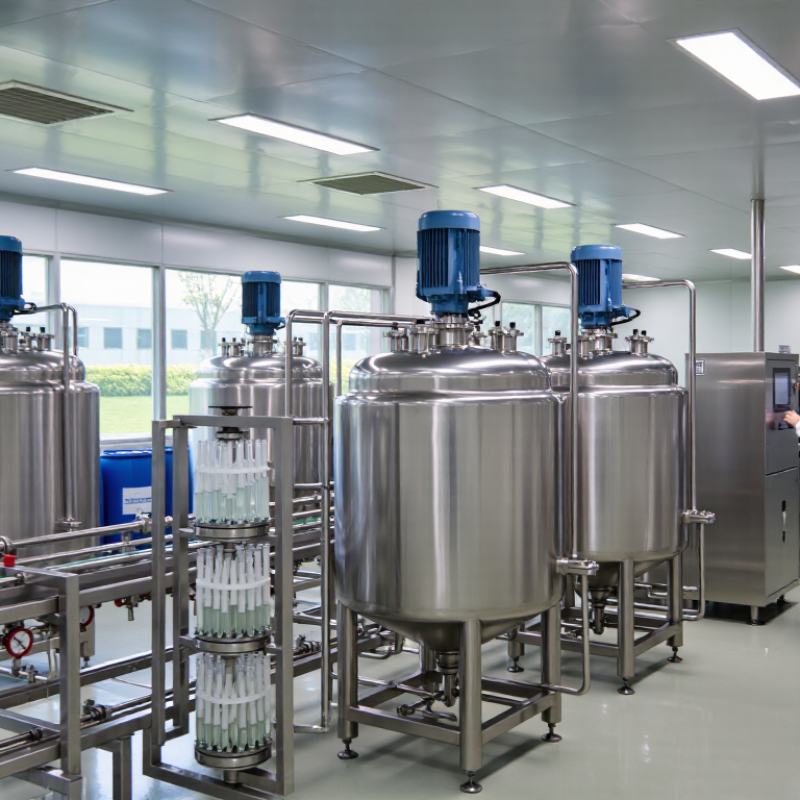
What Is Hydrolyzed Collagen and How Is It Produced?
Hydrolyzed collagen is collagen broken into smaller protein fragments called peptides. This process improves dispersibility in water and makes the ingredient easier to use in drinks, powders, and nutrition products. It dissolves quickly. However, hydrolyzed collagen is not a complete protein because it contains limited amounts of some essential amino acids.
Manufacturers usually begin with carefully selected animal connective tissue, such as skin, bones, or scales. The raw material is cleaned, trimmed, and treated to remove unwanted fats and minerals. Controlled heat and food-grade enzymes then break the collagen structure into shorter peptide chains. The liquid is filtered, concentrated, and spray-dried into a pale powder. Its smell and color can change slightly between batches.
Reliable production depends on more than peptide size. Practical quality checks should include moisture, protein content, microbiological safety, heavy metals, allergen controls, and full batch traceability. A certificate of analysis supports these checks, but it should not replace independent verification. Smaller peptides may improve solubility, yet they do not automatically prove better results. That detail matters. Processing conditions, raw material origin, and storage can affect the final product. Even experienced buyers can overlook oxidation or inconsistent labeling. Careful testing remains necessary.
How to Evaluate Hydrolyzed Collagen Manufacturers in China
China’s hydrolyzed collagen sector requires more than a polished website or a low quotation. Grand View Research estimated the global collagen market at about USD 9.1 billion in 2023, with continued growth expected through 2030. This demand attracts capable processors and inexperienced traders.
Evaluate the factory, not only the sales office. Request a recent certificate of analysis for each production lot. Check protein content, hydroxyproline, moisture, ash, microbiological limits, and heavy-metal results. Molecular-weight distribution matters too. A supplier should explain its enzymatic hydrolysis process and testing method clearly. Vague answers are warning signs.
Ask for raw-material traceability, production capacity, batch records, and sample retention procedures. ISO 22000 or HACCP systems can support food-safety control, but certificates require verification. SGS’s Global Food Safety Trends reporting repeatedly highlights traceability and supplier assurance as major purchasing concerns. Importers should also confirm allergen statements and destination-market requirements before signing contracts. Samples can pass while regular batches vary. That happens.
An on-site audit should examine stainless-steel equipment, warehouse humidity, packaging seals, and cleaning records. I would compare at least three batches, not one attractive sample. Pricing deserves scrutiny. Extremely cheap collagen may reflect lower testing frequency, different raw materials, or hidden logistics costs. The uncomfortable point is simple: documents reduce risk, but they do not replace independent laboratory testing.
China’s Top 10 Hydrolyzed Collagen Manufacturers
China’s top 10 hydrolyzed collagen manufacturers should be judged by evidence, not factory size. Grand View Research valued the global collagen market at about USD 9.1 billion in 2022. It also projected steady growth through 2030. This demand increases pressure on Chinese producers to prove quality, traceability, and stable supply. Serious buyers should review amino acid profiles, peptide molecular-weight distribution, source materials, and batch testing.
In practical sourcing, the strongest manufacturers usually provide pilot samples, full specifications, and third-party laboratory reports. ISO 22000, HACCP, and GMP systems are useful, but certificates alone cannot confirm product performance. MarketsandMarkets reported continued expansion in collagen peptides, supported by nutrition, beauty, and functional food applications. However, market reports often combine different collagen types. That limitation matters. A top-ten list can still mislead without comparing marine and bovine sources separately. Buyers should also check solubility at low temperatures, odor after mixing, moisture content, and heavy-metal results. Small differences become visible in a clear glass of water.
Tips: Request three recent production batches. Compare their peptide profiles and microbiological results. Confirm whether testing covers lead, arsenic, cadmium, and mercury. Ask for an audit trail from raw material receipt to final packaging. A factory visit is better than polished brochures. Yet, even visits can miss seasonal variation, so repeat verification remains necessary.
China Top 10 Hydrolyzed Collagen Manufacturers
An anonymized comparison of typical manufacturing capabilities and product specifications in China
| Rank | Anonymous Supplier Profile | Primary Raw-Material Source | Common Collagen Type | Typical Molecular Weight | Product Forms | Common Quality Certifications | Main Application Areas | Typical Export Packaging |
|---|---|---|---|---|---|---|---|---|
| 1 | Supplier Profile 01 | Marine fish skin and scales | Type I | 500–3,000 Da | PowderGranules | ISO 9001, HACCP, Halal, Kosher | Functional foods, beverages, nutraceuticals, beauty supplements | 10–20 kg multilayer paper bags with inner liner |
| 2 | Supplier Profile 02 | Bovine hide | Type I and III | 1,000–5,000 Da | PowderInstant powder | ISO 22000, HACCP, Halal | Sports nutrition, protein blends, food and drink formulations | 20–25 kg kraft bags or fiber drums |
| 3 | Supplier Profile 03 | Porcine skin | Type I and III | 1,000–3,000 Da | PowderCustomized blends | ISO 9001, FSSC 22000, HACCP | Food processing, nutritional powders, capsule and tablet products | 20 kg moisture-resistant bags |
| 4 | Supplier Profile 04 | Marine fish skin | Type I | 300–1,500 Da | Fine powderWater-soluble powder | HACCP, ISO 22000, Halal, Kosher | Cosmetic formulations, nutricosmetics, ready-to-mix drinks | 5–20 kg aluminum-lined cartons or bags |
| 5 | Supplier Profile 05 | Bovine bone and hide | Type I and III | 2,000–5,000 Da | PowderAgglomerated powder | ISO 9001, HACCP, Halal | Protein drinks, meal replacements, confectionery and bakery products | 20–25 kg paper bags with polyethylene liner |
| 6 | Supplier Profile 06 | Fish scales and skin | Type I | 500–2,000 Da | Low-odor powderInstantized powder | ISO 22000, HACCP, Halal, Kosher | Functional beverages, gummies, sachets and beauty supplements | 10 kg vacuum bags inside export cartons |
| 7 | Supplier Profile 07 | Bovine hide | Type I | 1,000–3,000 Da | PowderOEM premix | ISO 9001, HACCP, FSSC 22000 | Sports nutrition, clinical nutrition, powdered beverages | 20 kg bags or 500–1,000 kg bulk bags |
| 8 | Supplier Profile 08 | Marine fish skin | Type I | 200–1,000 Da | Hydrolyzed powderCosmetic-grade powder | ISO 9001, HACCP, Halal | Skin-care products, personal care formulations, oral beauty products | 5–10 kg sealed bags inside cartons |
| 9 | Supplier Profile 09 | Porcine skin and bovine hide | Type I and III | 1,000–4,000 Da | PowderGranulated powder | ISO 22000, HACCP, GMP-based production controls | Food ingredients, capsules, tablets and nutritional formulations | 20 kg bags with batch identification labels |
| 10 | Supplier Profile 10 | Fish skin, scales and bovine hide | Type I and III | 500–5,000 Da | PowderCustomized specification | ISO 9001, HACCP, Halal, Kosher | Private-label supplements, beverages, food and cosmetic ingredients | 10–25 kg bags; bulk packaging available by order |
Note: The profiles are anonymized and the specifications represent commonly published ranges and manufacturing practices for hydrolyzed collagen products in China. Actual molecular weight, certifications, raw-material origin, packaging and application suitability should be verified through the supplier’s current technical data sheet, certificate of analysis and audit documentation.
Product Ranges, Certifications, and Production Capabilities
China Top 10 Hydrolyzed Collagen Manufacturers: Product Ranges, Certifications, and Production Capabilities
China’s leading hydrolyzed collagen manufacturers differ in raw materials, peptide profiles, and quality systems. Their product ranges commonly include bovine, porcine, marine, and poultry collagen peptides, with Type I and Type III options. Some facilities offer powders, instant granules, and customized blends for nutrition, beauty, and functional food applications. Grand View Research reported that the global collagen market reached approximately USD 10.15 billion in 2023, with continued growth expected through 2030. This demand increases pressure on suppliers to provide stable solubility and consistent molecular-weight distribution.
Production capability deserves closer inspection. Established factories usually combine enzymatic hydrolysis, membrane filtration, spray drying, and metal detection. They should test microbiology, heavy metals, allergens, moisture, and peptide distribution for every batch. Certifications such as ISO 22000, HACCP, BRCGS, halal, and kosher can support supplier evaluation. However, certificates alone are not proof of daily performance. Ask for recent audit records, sample COAs, source traceability, and retention samples. This matters.
Market reports from MarketsandMarkets identify food, beverages, and dietary supplements as major collagen application areas. Manufacturers serving these sectors need export documentation and flexible packaging lines. Some claim advanced capacity without publishing clear annual output. That is a weakness. A practical top-ten assessment should compare verified capacity, delivery history, testing depth, and technical support, rather than relying on factory size or promotional rankings.
China’s Top 10 Hydrolyzed Collagen Manufacturers: Product Ranges, Certifications, and Capabilities
Aggregated comparison based on publicly disclosed product portfolios, quality certifications, and manufacturing capabilities among ten leading Chinese hydrolyzed collagen manufacturers. Values show the number of manufacturers out of ten reporting each feature.
Note: Certification and capability figures represent publicly disclosed coverage and may change as manufacturers update their credentials or facilities.
How to Choose the Right Chinese Collagen Manufacturer
A top-10 list of Chinese hydrolyzed collagen manufacturers is useful, but selection requires deeper checks. Grand View Research estimates the global collagen market could grow at about 8.3% annually from 2023 to 2030. This growth attracts capable factories and inexperienced traders. Do not judge a supplier by its website alone.
Check the factory’s raw material origin, production address, and quality system. Request current certificates, audit records, and batch-specific certificates of analysis.
Useful tests include molecular weight distribution, peptide content, moisture, microbiological limits, heavy metals, and prohibited substances.
ISO 22000 or HACCP certification supports process control, but certification does not guarantee every batch. Verify the certificate directly. Ask whether the collagen comes from marine, bovine, or porcine sources. Confirm species, traceability, allergen controls, and export documentation for your target market. One lesson from supplier reviews is simple: impressive samples can hide weak documentation.
Tips: Request three recent batch reports, not one. Compare test methods. Ask for an independent laboratory result.
Evaluate pilot samples under real storage conditions, including heat and humidity. Discuss minimum order quantity, lead time, packaging, and complaint handling before signing.
A reliable manufacturer should explain variation honestly. Perfect uniformity is unlikely. Refusing to discuss it is worse. As a practical benchmark, compare suppliers against the quality and risk-control principles described in ISO 22000 and current food-safety guidance from recognized regulatory authorities.
