How to Source Red Yeast Rice Extract for Global Buyers?
Sourcing Red Yeast Rice Extract can be challenging yet rewarding. This ingredient is sought after for its potential health benefits, particularly in supporting heart health. Many global buyers look for reliable suppliers of this natural product.
Understanding the origins of Red Yeast Rice Extract is crucial. It is derived from fermented rice and has been utilized in traditional medicine for centuries. The demand has surged due to its reputation in the wellness industry. However, not all suppliers guarantee quality and safety. Buyers must conduct thorough vetting processes to identify trustworthy manufacturers.
While many companies claim to offer high-quality Red Yeast Rice Extract, discrepancies often arise. Some products may contain impurities or inadequate levels of active compounds. It's vital to ask for certifications and lab results. Education about this ingredient helps buyers make informed decisions. Ultimately, the pursuit of quality Red Yeast Rice Extract requires diligence and expertise.
Understanding Red Yeast Rice Extract and Its Benefits
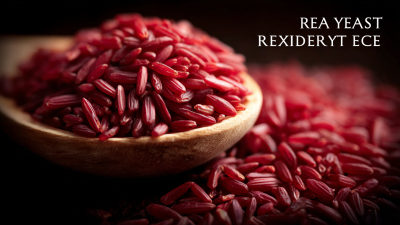
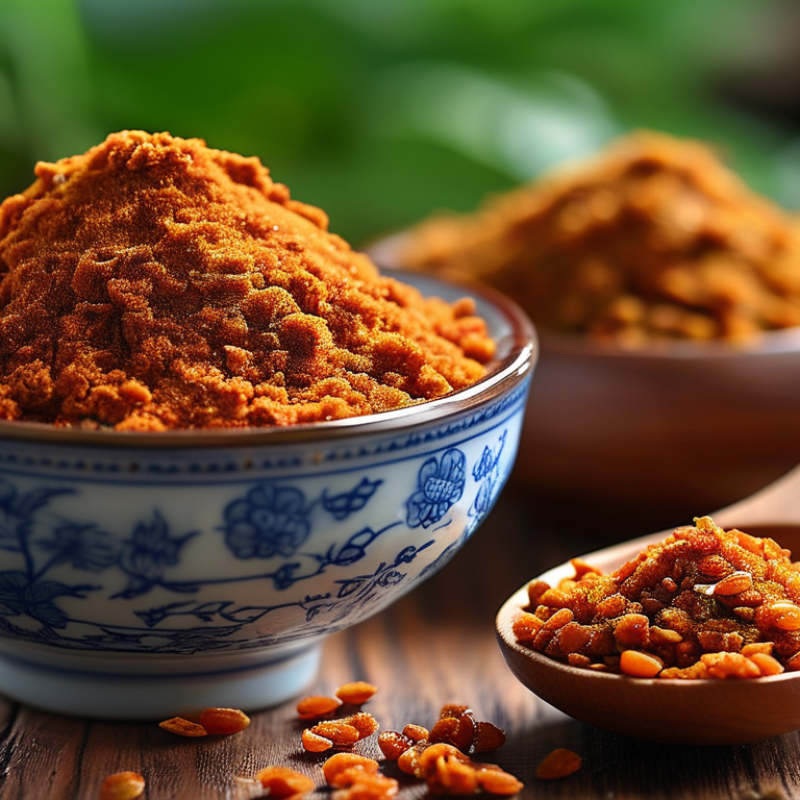
Red yeast rice extract, derived from fermenting rice with Monascus purpureus, has gained popularity for its potential health benefits. Rich in monacolin K, a natural statin, it can help lower cholesterol levels. According to a systematic review published in the Journal of Alternative and Complementary Medicine, it effectively reduces LDL cholesterol by an average of 22%. This finding highlights its role as a natural supplement for cardiovascular health.
Understanding the benefits of red yeast rice extract is crucial for global buyers. Recent studies indicated that it may also support overall heart health by improving blood circulation. Research conducted by the American Heart Association found that individuals who incorporated red yeast rice extract into their diets experienced significant improvements in their lipid profiles. However, quality varies among products, necessitating careful sourcing.
It is important to ensure product quality. Look for suppliers who provide transparency in their testing and quality control processes. Verify that certifications and testing methodologies align with industry standards. Consider asking suppliers for third-party testing results to assess potency and purity. This diligence can mitigate risks associated with variable product quality. Consider reaching out to other buyers in the industry for feedback on suppliers.
Global Demand for Red Yeast Rice Extract
Identifying Reliable Suppliers for Red Yeast Rice Extract
Finding reliable suppliers for red yeast rice extract can be challenging. The global market is filled with options, but not all suppliers meet quality standards. Start by seeking suppliers who prioritize transparency. A trustworthy supplier will share detailed information about their sourcing and production processes.
Review certifications the supplier holds. This can indicate their commitment to quality and safety. Look for third-party testing reports. These ensure the consistency and purity of red yeast rice extract. Don't hesitate to ask for samples before making larger orders. Testing a small batch can reveal a lot about the supplier’s reliability.
Networking within industry conferences can also be beneficial. Meeting suppliers face-to-face fosters better relationships and trust. Participate in forums and trade shows focusing on nutritional supplements. Experts can share their experiences with different suppliers. This practical insight can save you time and avoid costly mistakes. Searching for the right supplier demands patience and thorough research. Make informed decisions based on data and genuine reviews.
How to Source Red Yeast Rice Extract for Global Buyers? - Identifying Reliable Suppliers for Red Yeast Rice Extract
| Supplier Location |
Certification |
Minimum Order Quantity |
Pricing per Kg |
Lead Time |
Contact Method |
| China |
ISO 9001, HACCP |
100 kg |
$30 |
4 weeks |
Email |
| India |
GMP, Organic |
50 kg |
$28 |
5 weeks |
Phone |
| USA |
Non-GMO, NSF |
200 kg |
$35 |
3 weeks |
Website |
| Vietnam |
ISO 22000 |
150 kg |
$32 |
6 weeks |
Email |
| Thailand |
Halal, GMP |
75 kg |
$29 |
4 weeks |
Phone |
Evaluating Quality Standards and Certifications for Sourcing
When sourcing red yeast rice extract, it's crucial to understand quality standards and certifications that guarantee product integrity. Various studies suggest that the market for red yeast rice is expected to reach over $1.2 billion by 2026, highlighting the importance of sourcing from reputable suppliers. A key indicator of quality includes the presence of monacolin K, a naturally occurring compound known for its cholesterol-lowering properties. A reliable extract should contain a standardized percentage of this component, often above 0.4%.
Moreover, certifications such as the GMP (Good Manufacturing Practices) and NSF International can provide additional assurance regarding product purity and safety. These certifications ensure that manufacturers adhere to strict quality control measures. However, even with these certifications, it is essential to conduct independent testing. A report by the American Botanical Council indicates that as many as 30% of herbal supplements do not contain the ingredients listed on their labels. This discrepancy prompts buyers to verify claims through transparent supply chain practices. Seeking suppliers with third-party testing can enhance reliability and trust.
Remember, not all red yeast rice extracts are created equal. Price can vary significantly, which may or may not reflect quality. Low-cost options might not meet safety standards. Engaging in dialogue with potential suppliers about their sourcing practices can also shed light on their commitment to quality, transparency, and ethical standards. This process requires careful evaluation, as overlooking these details could compromise the end product.
Navigating Import Regulations for Red Yeast Rice Extract
When sourcing red yeast rice extract for global markets, understanding import regulations is crucial. Many countries have specific rules regarding the importation of food and dietary supplements. Red yeast rice extract, derived from fermenting rice with a particular yeast, may face varying scrutiny. Each nation often has different guidelines on acceptable ingredients and health claims.
Researching local regulations can be complex. Some countries may view red yeast rice extract as a food product, while others classify it as a supplement. It is essential to check if any certifications are required, such as quality or safety standards. Consulting with legal professionals who specialize in trade can help companies navigate this landscape more effectively.
Proper documentation is key. Importers must ensure that all necessary paperwork, like health certificates or ingredient lists, is complete. Even minor oversights can lead to delays. Being well-prepared does not guarantee smooth sailing, but it mitigates risks. Understanding these factors will facilitate successful sourcing and distribution.
Developing a Sustainable Sourcing Strategy for Global Markets
Developing a sustainable sourcing strategy for red yeast rice extract involves understanding global market dynamics. The global dietary supplements market is expected to reach approximately $220 billion by 2027, driven by increasing health consciousness. Sourcing red yeast rice extract requires careful consideration of environmental impact and ethical practices. Sustainable sourcing can lead to better quality products and enhance brand reputation.
It is essential to evaluate suppliers based on criteria such as environmental practices, labor conditions, and product quality. According to industry reports, 65% of consumers prefer brands that prioritize sustainability. Establishing transparent supply chains can also mitigate risks associated with supply disruption. As the demand for red yeast rice extract grows, ensuring traceability in sourcing becomes crucial.
Engagement with local communities is another important aspect. Feedback from these communities can guide improvements in sourcing practices. A recent survey revealed that 58% of consumers are willing to pay more for sustainably sourced products. However, challenges remain. Not all suppliers maintain consistent quality or ethical standards. Continuous monitoring and evaluation are necessary to uphold sourcing integrity and achieve long-term goals.