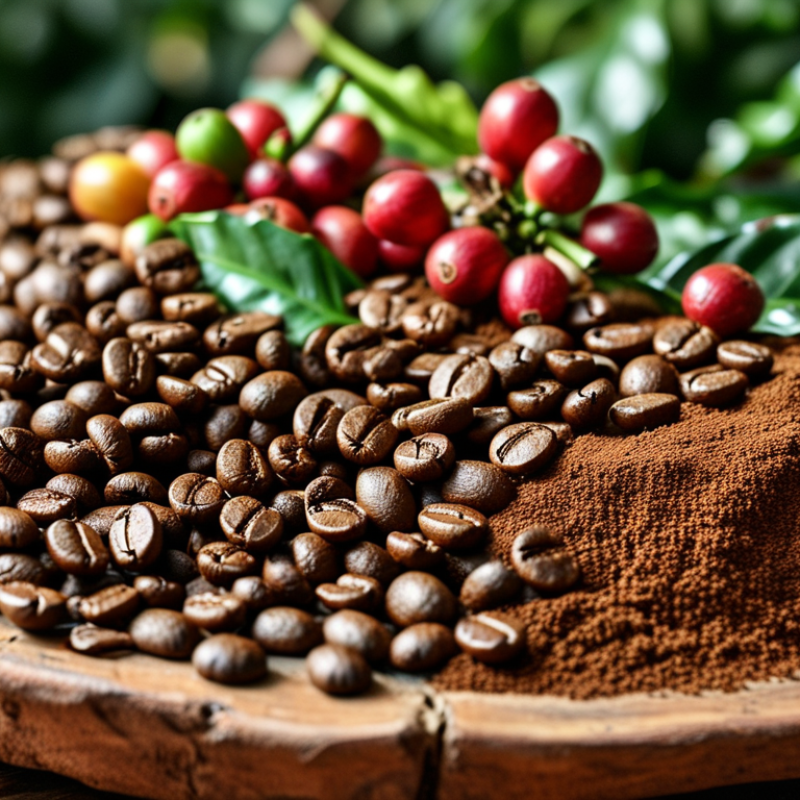
How to Source Quality Coffee Beans for Your Business?
Sourcing quality Coffee Beans is essential for any coffee business. The right beans can define your brand. A great batch enhances flavor, aroma, and customer satisfaction.
When exploring options, consider origin and variety. Unique flavors come from specific regions. Each coffee bean has its story, influenced by climate and soil. Engage directly with farmers when possible. Building relationships leads to better quality and consistency.
Yet, the journey isn’t always smooth. Quality varies, and prices fluctuate. It’s crucial to do thorough research. Attend coffee exhibitions, and network with experts. Mistakes can be costly, but learning from them can improve sourcing strategies. Focus on quality over quantity. The right coffee bean can elevate your business to new heights.
Identifying the Characteristics of Quality Coffee Beans
When sourcing quality coffee beans, understanding their defining characteristics is crucial. Quality coffee beans exhibit distinct traits that influence taste and aroma. The USDA notes that factors such as altitude, climate, and processing methods significantly affect the overall quality. Beans grown at higher elevations often develop more complex flavors, due to slower growth rates that enhance their flavor profiles. Research indicates that Arabica beans, typically cultivated at altitudes above 600 meters, are highly sought after for their nuanced taste.
Evaluating the moisture content and bean density is equally vital. Quality beans should have a moisture content between 10% to 12%. Beans below this threshold may lead to a flat taste, while excessive moisture can cause spoilage. Professionals often check for defects during sourcing, as industry standards suggest that a maximum of 5% defective beans is acceptable. Regularly consulting resources such as the Specialty Coffee Association can provide insights into grading standards and sourcing methodologies.
Smell and appearance also play significant roles. High-quality beans often have a vibrant aroma with no off-putting scents. Visually, they should be uniform in size and color. However, it’s essential to approach sourcing with an open mind. Every batch can vary, even from the same region, leaving room for experimentation. Engaging with farmers directly can offer valuable insights, although it can also lead to the challenge of inconsistent quality across different harvests. Recognizing the beauty in these imperfections can ultimately lead to richer flavors in your coffee.
Researching Coffee Bean Origins and Varieties
When sourcing quality coffee beans for your business, understanding the origins and varieties is crucial. Coffee beans come from diverse regions, each with unique flavors and characteristics. For instance, Colombian beans are known for their balanced acidity, while Ethiopian beans often feature floral and fruity notes. Engaging with suppliers who are transparent about their sourcing helps build trust.
Researching specific coffee varieties can elevate your offerings. Arabica beans tend to be sweeter and more aromatic, while Robusta beans offer a stronger, bolder flavor. It’s helpful to taste different varieties to understand their profiles better. Visiting farms or regions can provide insights into cultivation practices and bean quality. Sometimes, producers may face challenges, such as climate change or soil depletion.
Additionally, consider certifications like organic or fair-trade standards. These labels often indicate quality and ethical sourcing practices. However, the criteria can vary widely. Scrutinizing these labels fosters deeper connections with your suppliers. Balancing quality and cost can be tough. Each purchase reflects your brand’s commitment to excellence and sustainability.
Quality Coffee Beans Sourcing - Origin and Variety Comparison
Establishing Relationships with Reputable Coffee Suppliers
Building strong relationships with reputable coffee suppliers is crucial for your business. Start by researching suppliers who prioritize quality and sustainability. Look for those who source their beans ethically and offer transparency. Engaging with roasters and importers directly can also enhance your understanding of the coffee supply chain.
Attend coffee trade shows and local industry events. Networking with other professionals can lead to valuable introductions. Don't hesitate to ask suppliers about their sourcing practices and quality control measures. Some suppliers may have impressive certifications or partnerships that reflect their commitment to excellence.
Once you've identified potential suppliers, initiate conversations and express your requirements. Building rapport is vital. Be open about your expectations, whether it's pricing, bean type, or delivery schedules. Remember, maintaining communication even when challenges arise is essential for a lasting partnership. It’s okay to feel uncertain during this process; every interaction is a chance to learn and adapt.
How to Source Quality Coffee Beans for Your Business?
| Supplier Location | Bean Variety | Sourcing Method | Quality Rating | Availability (kg/year) | Certification |
| South America | Arabica | Direct Trade | 9/10 | 5000 | Fair Trade |
| Africa | Robusta | Auction | 8/10 | 3000 | Organic |
| Central America | Mixed | Cooperative | 7/10 | 4500 | Rainforest Alliance |
| Asia | Liberica | Direct Trade | 8.5/10 | 2000 | ECOCERT |
Evaluating Quality through Cupping and Testing
Cupping is an essential practice for evaluating coffee bean quality. It allows roasters and buyers to taste and assess characteristics like aroma, acidity, and flavor profile. Using a standard cupping method ensures consistency. This involves using the same grind size, water temperature, and steeping time for each sample.
When cupping, pay attention to the aroma upon breaking the crust. This initial scent provides insights into the coffee's quality. You should evaluate the flavors during tasting, noting any complexities and off-flavors. It's important to be critical during this phase. Not every bean will meet your standards, and that’s okay. Take notes and reflect on what aspects are lacking.
Testing beyond cupping can further assess quality. Lab analysis of moisture levels, caffeine content, and defects can complement sensory evaluations. These tests offer a more objective view of your bean selection. However, rely on your sensory experiences as well. Striking a balance is crucial. Sometimes, trusting your palate leads to better business decisions.
Understanding Fair Trade and Sustainable Sourcing Practices
When sourcing coffee beans, understanding fair trade and sustainable practices is crucial. Fair trade ensures that farmers receive a fair price. This approach contributes to community development. It helps improve local infrastructure, education, and healthcare. Such benefits create a stronger supply chain and better quality beans.
Obtaining high-quality beans involves more than just price. Quality often reflects how beans are grown and processed. Look for beans that meet environmental standards. Sustainable sourcing means selecting beans grown with minimal chemicals. This practice preserves ecosystems and reduces carbon footprints. However, it can be challenging to find suppliers who adhere to these guidelines fully. Research and build relationships with trusted growers.
Tips for sourcing: Visit farms if possible. Develop personal connections with farmers. This experience deepens your understanding and ensures reliability. Consider investing in certifications that focus on sustainability. Sometimes, the cheapest option can lead to lower quality. This contradicts your goal for excellent coffee. Take time to evaluate and reflect on your choices. The right sourcing decisions ultimately impact your business reputation and customer satisfaction.