How to Source Inorganic Trace Minerals for Your Business?
In the business landscape of animal nutrition and feed, sourcing Inorganic trace minerals is crucial. Experts highlight this importance. Dr. Sarah Collins, a renowned authority in the field, states, "Understanding the quality of inorganic trace minerals can significantly enhance animal health." Her insight underscores the need for businesses to prioritize sourcing high-quality minerals.
Inorganic trace minerals play a vital role in animal growth and overall productivity. Companies must navigate the complexities of supplier relationships and regulatory requirements. It’s not enough to just find a supplier; the minerals must meet specific standards.
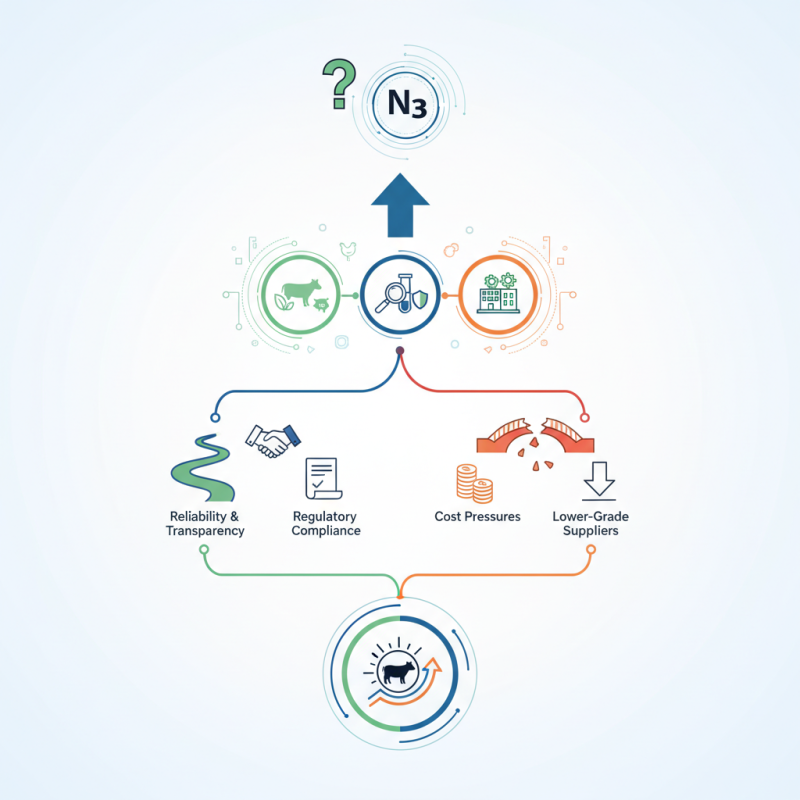
Many businesses face challenges while ensuring quality and consistency. Some may settle for lower-grade suppliers due to cost pressures. However, this can lead to serious nutritional deficits in livestock. While seeking suppliers, companies should focus on reliability and transparency. High-quality inorganic trace minerals can make a substantial difference in results. It's essential to reflect on sourcing practices to ensure the best outcomes for animal health and, ultimately, for the business.
Identifying the Need for Inorganic Trace Minerals in Your Business
Identifying the need for inorganic trace minerals in your business requires careful assessment. Different industries utilize these minerals in diverse ways. For example, agriculture often needs them to enhance soil health. Livestock feeds also benefit from trace minerals to promote growth and immunity. Understanding your specific industry demands is crucial.
You might encounter gaps in mineral supply during product development. If your products lack essential trace minerals, it could affect their effectiveness. Conduct market research to determine the most sought-after minerals in your niche. Engage with industry experts to gain insights into trends and requirements. This approach often reveals unaddressed needs.
Assess your sourcing options carefully. Look into local suppliers or online resources to find reliable sources. Evaluate their quality standards and certifications. You might find it challenging to ensure the consistent quality of these minerals. Establishing long-term relationships with trusted suppliers can stabilize your supply chain. Remember, getting it right takes time, and continuous learning is essential.
Understanding Different Types of Inorganic Trace Minerals Available
When sourcing inorganic trace minerals, it's vital to understand their types. Inorganic trace minerals like zinc, iron, and manganese play crucial roles in livestock health and plant growth. According to a report by the Minerals and Nutrition Association, over 50% of feed formulations depend on trace minerals for optimal animal performance.
Zinc, an essential trace mineral, promotes immune function and reproductive health. A study published in the Journal of Animal Science revealed that zinc supplementation can improve egg production in poultry by as much as 12%. However, sourcing high-quality zinc can be challenging. Some products contain impurities that may harm animal health. It’s essential to partner with reputable suppliers who can provide mineral analysis data to ensure quality.
Iron is another critical trace mineral often overlooked. It aids in oxygen transport in the bloodstream. A report from the Animal Nutrition Institute indicates that iron deficiency can lead to anemia in livestock, impacting growth rates by up to 20%. Thus, understanding the forms of iron available is important. Ferrous sulfate and iron oxide are common sources, but their bioavailability differs significantly. Choosing the right source can pose a real challenge for businesses, making it essential to conduct thorough research and analysis.
How to Source Inorganic Trace Minerals for Your Business? - Understanding Different Types of Inorganic Trace Minerals Available
| Mineral Type | Common Sources | Primary Uses | Recommended Dosage (mg/kg) |
| Zinc | Zinc Oxide, Zinc Sulfate | Nutritional Supplement, Feed Additive | 40-50 |
| Iron | Iron Oxide, Ferrous Sulfate | Animal Nutrition, Fortification | 100-150 |
| Copper | Copper Sulfate, Copper Chelate | Enzyme Activation, Blood Formation | 10-15 |
| Manganese | Manganese Oxide, Manganese Sulfate | Bone Formation, Metabolism | 40-60 |
| Selenium | Sodium Selenite, Selenomethionine | Antioxidant Function, Immune Support | 0.1-0.3 |
Evaluating Suppliers for Quality and Compliance Standards
When sourcing inorganic trace minerals, supplier evaluation is crucial. Companies must focus on quality and compliance standards. Industry reports indicate that up to 30% of trace minerals may not meet safety standards. This highlights the need for thorough supplier vetting.
Understanding regulatory compliance is vital. Suppliers should adhere to guidelines set by authorities, such as the FDA and EFSA. A study from a leading market research firm found that 25% of suppliers lacked proper documentation. This poses risks to product safety and brand reputation.
Quality assurance processes vary among suppliers. It’s essential to inquire about testing methods for trace mineral purity and potency. Many suppliers may not disclose complete testing results. Transparency is a key factor in building trust. Businesses must also consider sustainability practices. Monitoring the environmental impact of mineral sourcing is increasingly important to consumers.
Developing a Cost-effective Sourcing Strategy
Sourcing inorganic trace minerals for your business can be a complex task. The strategy you develop should prioritize cost-effectiveness. Start by assessing your current supply chain. Identify areas that demand improvement, like pricing or reliability. Evaluate your suppliers' credentials to ensure they meet industry standards.
Consider diversifying your supplier base. Relying on one source may lead to unexpected disruptions. Finding alternative suppliers can help maintain stability. Research locations that provide cost benefits, but remain vigilant about quality. Low prices might indicate less rigorous processing.
Building relationships is crucial. Engage with suppliers to negotiate better terms. Frequent communication leads to a deeper understanding of each party's needs. Be prepared to adjust your strategy based on market fluctuations. Regularly review your sourcing process to find areas needing refinement.
Implementing Quality Control Measures for Sourced Minerals
Implementing quality control measures is crucial when sourcing inorganic trace minerals. These minerals can vary significantly in purity and composition. Establishing stringent quality parameters ensures that only the best materials are used. Begin by defining clear specifications for the minerals required, including their expected purity levels.
Regular inspections are essential in this process. Test samples from suppliers to verify that they meet your established standards. It’s beneficial to collaborate with accredited laboratories. Their expert analysis will provide insights into the mineral composition. Moreover, developing a checklist for suppliers can enhance accountability and reliability.
Documentation plays a key role as well. Maintain records of all sourcing activities, including supplier audits and test results. Reflecting on these records can highlight areas for improvement in your sourcing strategy. Sometimes, unexpected results can lead to valuable lessons about the quality of different suppliers. Creating a feedback loop will drive continuous improvement in your quality control measures.