top of page

Top Frozen Chicken Gizzard Suppliers for Global Buyers

Frozen Chicken Gizzard is a specialized product, and choosing a supplier takes more than comparing prices. Global buyers need consistent sizing, dependable cold-chain handling, clear specifications, and responsive communication. A shipment may look sound on paper yet disappoint if trim, glaze, or carton weights differ from expectations. Details matter.

This guide introduces suppliers serving international buyers and the practical questions worth asking before an order. Compare product forms, grading standards, packaging options, production capacity, and available traceability records. Ask how temperatures are monitored during storage and transport, and request current product specifications. Where possible, review samples and confirm that quoted terms match the final order documents. Small checks can prevent costly surprises.

Good suppliers provide evidence, not just confident claims. Look for appropriate certifications and audit information, but verify their scope and current validity directly. Requirements differ by destination and buyer, so confirm applicable import and food-safety rules with qualified professionals. No shortlist can replace that step. Nor is a large export volume, by itself, proof of consistent quality. Even careful suppliers can have limits in capacity or lead time. This guide offers a starting point, not a guarantee; buyers should assess each company against their own product needs, timelines, and risk controls.

Top Frozen Chicken Gizzard Suppliers for Global Buyers

Frozen Chicken Gizzards: Product Forms, HS 0207.14, and Trade Scope

Top Frozen Chicken Gizzard Suppliers for Global Buyers

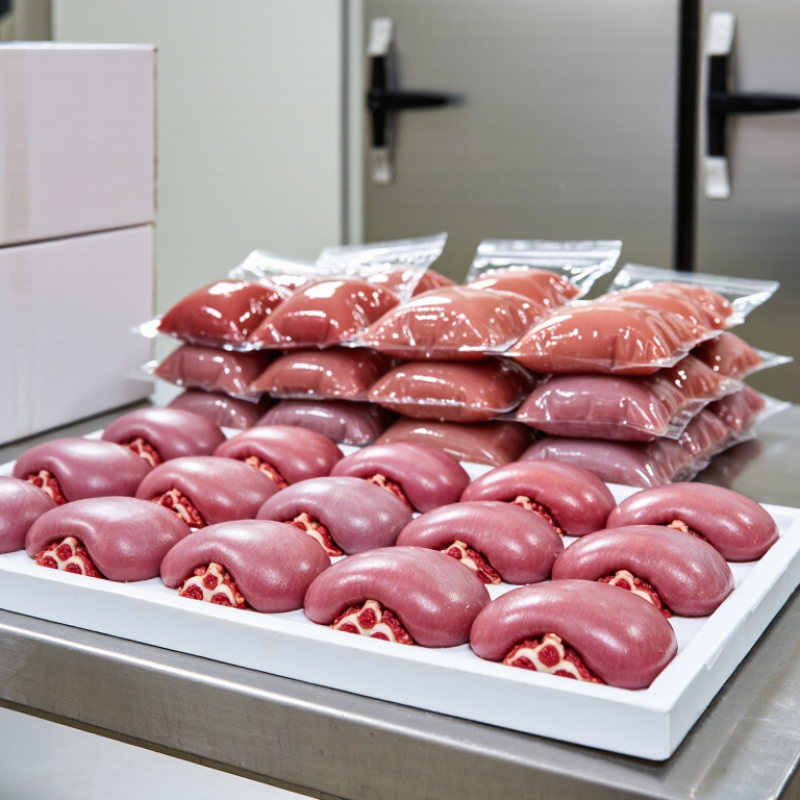
Frozen chicken gizzards are commonly offered whole, cleaned, or with the inner lining removed. Buyers may find them individually quick-frozen or packed in larger frozen blocks. These forms affect portioning, thawing time, and storage space. Ask for the declared net weight, glazing percentage, packing format, and product specification before comparing offers. A clear specification prevents avoidable surprises.

For international trade, HS 0207.14 generally covers frozen cuts and edible offal of domestic fowl, including chicken gizzards. The code is a useful starting point, not a complete import decision. National tariff lines and documentation requirements can differ by destination. Confirm the exact classification with the relevant customs authority or a qualified trade professional. Product descriptions should match the goods shipped, including whether they are cleaned or further prepared. Small wording differences matter.

Tips: Request recent product photos, a sample specification, and temperature records. Check that packaging stays sealed and legible after freezing. If a supplier’s details seem unclear, pause and verify them. Specifications can still leave room for interpretation, so record agreed details in writing.

Frozen Chicken Gizzards: Product Forms & HS 0207.14 Scope

Frozen chicken gizzards are edible offal and generally fall within HS 0207.14, which covers frozen cuts and offal of domestic fowls. The bars show the code’s classification hierarchy by digit count—not trade volumes. Check the importing country’s tariff schedule for any national subheadings and confirm the product’s classification with customs authorities.

Classification reference: Harmonized System heading 0207 and subheading 0207.14. National tariff extensions may vary.

Supplier Landscape: Compare Export Origins, Plant Approval, and Capacity

Frozen chicken gizzard sourcing starts with origin, but origin alone says little. USDA Foreign Agricultural Service estimated global broiler-meat production at about 103.3 million tonnes in 2024. That scale supports broad poultry supply, not guaranteed gizzard availability. Gizzards are a smaller co-product, and seasonal processing schedules can tighten offers quickly.

Compare export origins using shipment records and product descriptions, not country rankings alone. International trade codes often group frozen poultry offal with other cuts, so reported trade values may not isolate gizzards. The International Trade Centre’s Trade Map can help screen export flows, but buyers should verify species, pack size, glazing, and monthly volume directly. Ask for recent production records and a sample carton specification. A low quote may hide inconsistent sizing.

Plant approval matters as much as price. Check the importing market’s current official establishment list and confirm that the site is approved for poultry products and the intended destination. Approval can change. Capacity is not approval. USDA FSIS export requirements illustrate why destination-specific checks matter: eligibility and certification requirements vary by market. Request the plant number, available production weeks, cold-store capacity, and loading port. These details make supplier comparisons more practical, though they still cannot guarantee on-time delivery. A spreadsheet can look convincing. Reality may be less tidy.

Food-Safety Qualification: Apply HACCP’s 7 Principles to Supplier Checks

Frozen chicken gizzards need more than a low quoted price. Supplier checks should begin with a documented hazard analysis covering biological hazards, bone or metal fragments, and chemical residues. Ask how each risk is controlled at the plant, not just whether a certificate exists. Details matter.

Under HACCP, identify the supplier’s critical control points and the measurable limits used at each step. Request monitoring logs and records of corrective actions when limits are missed. For incoming frozen lots, review temperature records, intact packaging, lot codes, and transport conditions. Ice buildup or torn bags deserve questions, though neither alone proves mishandling. Ask why.

Verification should include audit findings, calibration records, test results, and periodic review of the hazard plan. Records should link each carton to its production lot and source information. A mock recall can show how quickly the supplier traces affected product. I would not treat a tidy file as proof of consistent handling; paperwork can miss routine gaps. When feasible, compare records with site observations and follow up on unclear answers.

Cold-Chain Standards: Codex Quick-Frozen Foods at −18°C or Below

For global buyers, frozen chicken gizzards need more than a low-temperature shipping claim. Codex Alimentarius’ Code of Practice for the Processing and Handling of Quick Frozen Foods (CXC 8-1976) sets −18°C or colder as the benchmark throughout the cold chain. Ask suppliers for time-stamped temperature records, loading checks, and evidence that monitoring devices are calibrated. A reading from the truck display alone may not show conditions inside every pallet.

Details matter. A probe check on a representative carton, intact packaging, and clear lot identification help buyers assess a shipment on arrival. FAO’s The State of Food and Agriculture 2019 estimated that 14% of food is lost between harvest and retail globally. That figure covers many food categories, not frozen gizzards specifically, but it underlines why handling and storage records deserve attention. Keep products frozen. If records show unexplained temperature rises, pause acceptance and investigate rather than relying on appearance. Even a tidy log can miss a brief door-open event; that is a limitation worth admitting, not hiding.

Top Frozen Chicken Gizzard Suppliers for Global Buyers - Cold-Chain Standards: Codex Quick-Frozen Foods at −18°C or Below

Global buyer qualification matrix for comparing frozen chicken gizzard suppliers. Requirements may vary by destination market and purchase contract.

Evaluation Dimension Buyer Requirement or Benchmark Evidence to Request from the Supplier Why It Matters
Cold-chain temperature Codex’s general quick-frozen food benchmark is a product temperature of −18°C or colder throughout the cold chain. Pre-shipment temperature records, container set-point details, and shipment temperature-monitoring records. Helps verify that the product remained frozen during storage and transport.
Product identification Confirm that the product is chicken gizzards and specify whether they are cleaned, trimmed, and supplied whole or cut. Product specification, product photographs, and the agreed packing description. Reduces the risk of receiving product that does not match the intended use.
Processing hygiene Assess the supplier’s hygiene controls against applicable destination-market requirements and Codex food-hygiene principles. Facility approval details, hygiene procedures, and food-safety management documentation. Supports a documented review of the production site and its food-safety controls.
HACCP-based controls Ask how hazards are identified, monitored, and managed during processing, freezing, and packing. HACCP plan overview, monitoring records, and corrective-action procedures. Shows how the supplier manages food-safety hazards at relevant process steps.
Microbiological criteria Apply the limits and testing requirements of the importing market; there is no single universal numerical specification for every destination. Recent certificate of analysis, sampling details, test methods, and laboratory information. Allows buyers to assess results against their market’s rules and purchasing specification.
Product specification Set measurable requirements for size range, trimming, foreign matter, block format, and any other product attributes in the contract. Signed product specification and a pre-shipment inspection plan. Many commercial grading details are contract-defined rather than universal Codex limits.
Glazing and declared weight Agree whether the product is glazed and how net weight and glaze are declared, in line with destination-market rules. Label artwork, packing specification, and weight-control records. Clear declarations help buyers compare offers and verify delivered quantity.
Packaging integrity Specify food-contact packaging, pack size, sealing, and outer-carton requirements for the intended distribution route. Packaging specification, label sample, and inspection records for seals and cartons. Sound packaging helps protect the product during frozen storage and handling.
Lot traceability Require a lot or batch identifier linked to production records and shipment documents. Sample carton label and a traceability demonstration for a selected lot. Enables targeted investigation or recall if a product-safety concern arises.
Export documentation Confirm import-country requirements before shipment; certificates and approvals vary by destination. Applicable health certificate, establishment approval details, certificate of origin, and shipping documents as required. Incomplete or incorrect documents can delay customs clearance or prevent import.
Shipment and container readiness Agree shipment size, loading plan, frozen-container requirements, and temperature-record access before dispatch. Loading records, container details, seal number, and agreed temperature-monitoring data. Connects the supplier’s dispatch controls with the buyer’s receiving and transport plan.

Codex references: CXS 8-1976, General Standard for Quick Frozen Foods; CXC 1-1969, General Principles of Food Hygiene; and CXC 58-2005, Code of Hygienic Practice for Meat. Check current Codex texts and applicable national requirements when qualifying suppliers.

Buyer Scorecard: Compare MOQ, Incoterms, Lead Time, Traceability, and Price

Top Frozen Chicken Gizzard Suppliers for Global Buyers

A useful buyer scorecard compares more than the quoted price. Record minimum order quantity (MOQ), product specification, packaging, Incoterm, production time, transit time, and traceability evidence. Compare like with like: a 10-tonne offer in cartons may not match a smaller offer with different packing or delivery terms. Clarify whether the quote covers freight, insurance, and port charges. A low quote can still be costly.

Ask suppliers to separate production lead time from shipping time, and request recent shipment records where available. Under Incoterms such as FOB or CIF, confirm the named port and who handles each cost and risk. For traceability, request lot codes linked to packing dates and veterinary or inspection documents. The World Bank’s 2023 Logistics Performance Index includes tracking and tracing among its six assessment dimensions, underscoring its role in logistics reliability. FAO estimates that 14% of food is lost between post-harvest and retail; that figure covers food broadly, but it highlights why cold-chain handling deserves scrutiny.

Tips: Compare delivered cost per kilogram, not just the unit price. Request temperature records for a sample shipment. One imperfect point: supplier spreadsheets can look reassuring, yet still omit delays at transshipment ports. Build a realistic buffer.

  • LinkedIn Social Icon

© 2024 by LIPOND INTERNATIONAL INC. All rights reserved. Blog

bottom of page