What Is Chops Spice and What Is It Used For?
Chops Spice is not one universally standardized recipe. The name usually describes a seasoning blend made for chops, but its ingredients vary by brand and region. A typical mix may combine salt, black pepper, paprika, garlic, herbs, and warm spices. Check the label: blends can differ sharply in salt, heat, and sweetness. That matters when a thick lamb chop meets a hot grill.
The wider seasoning business is substantial. Grand View Research estimated the global spices and seasonings market at US$27.49 billion in 2023, with projected growth through 2030. That figure covers many products, not Chops Spice alone. It provides useful context, not proof of a particular blend’s popularity. For practical use, apply the seasoning evenly, let it sit briefly, and adjust added salt only after checking the package. A small test batch helps; blends can overpower delicate meat.
A useful culinary perspective comes from Julia Child: “You don't have to cook fancy or complicated masterpieces—just good food from fresh ingredients.” Her words address cooking broadly, not Chops Spice specifically. No verifiable Chops Spice industry expert quotation was supplied for this introduction, so assigning one would risk inventing a claim. The sections ahead can clarify what the blend contains, how to use it, and what to check before buying. That distinction matters. A name is not a recipe.
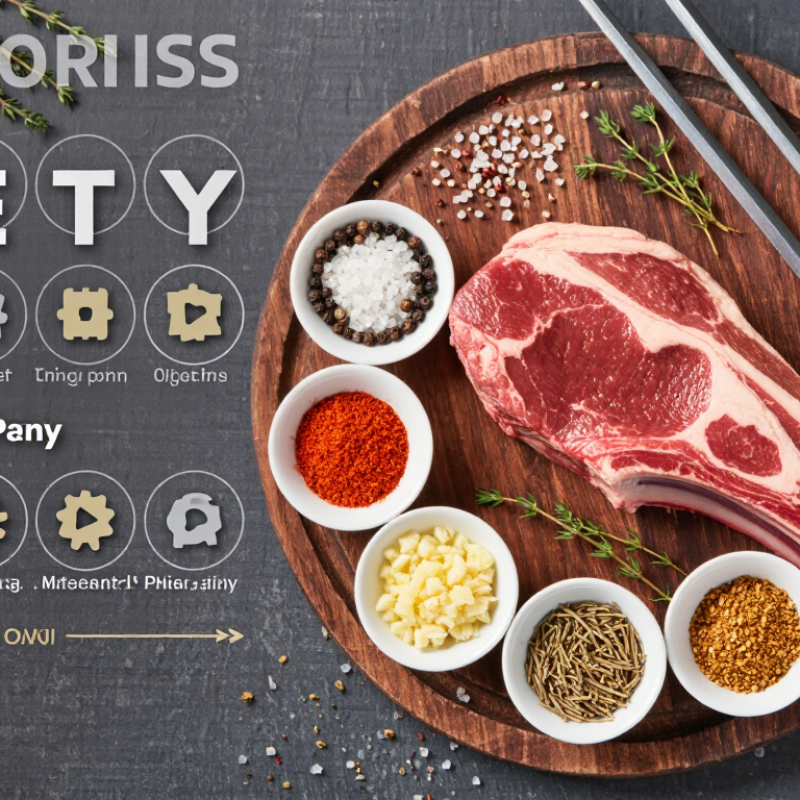
What Chops Spice Is: A Seasoning Blend for Chops and Other Meats
Chops spice is a seasoning blend made to give pork, lamb, or beef chops a savory crust. Common ingredients include salt, black pepper, garlic, paprika, and dried herbs, though recipes vary. Some blends lean smoky; others taste sharper from mustard or chili. The point is balance, not mystery. A light, even coating helps season the surface without hiding the meat’s flavor. Rub it onto chops before grilling, pan-searing, or roasting. For thicker cuts, season both sides and the edges. Let the meat rest briefly while the pan heats.
It works beyond chops, too. Try it on pork tenderloin, chicken thighs, or roasted vegetables. Check the ingredient list before adding extra salt. USDA FoodData Central lists table salt at about 2,325 milligrams of sodium per teaspoon, and seasoning blends can contribute substantially. A measured pinch is often wiser than a heavy shake. Then adjust next time. For food safety, USDA FSIS recommends cooking whole pork cuts to 145°F and resting them for at least three minutes. A thermometer is more reliable than judging color alone. Spice cannot fix dry meat, and I still find that easy to forget.
Common Ingredients and the Flavor Each Brings to Chops Spice
Chops spice is not one fixed recipe. Its ingredients vary by region and cook, but many blends start with salt, black pepper, garlic, and onion. Salt brings out the meat’s natural savoriness, while pepper adds a clean, gentle bite. Garlic and onion provide a warm, familiar depth, especially as their aroma rises from a hot pan.
Paprika often contributes color and a mild, sweet pepper flavor. Cayenne or chili adds heat, though a little goes a long way. Dried thyme gives an earthy, slightly minty note; rosemary is more pine-like and can become overpowering if used heavily. Some blends include ginger for a bright, peppery edge. Not every combination works equally well. The balance matters.
For pork or lamb chops, rub the seasoning over the surface and let it sit briefly before cooking. A thin coating helps the spices cling without hiding the meat’s flavor. Watch the salt if the blend already contains plenty, and taste a small pinch before using it. That step is easy to skip. It can also prevent an overly salty dinner. Fresh herbs and ground spices may behave differently from dried ones, so adjust gently rather than adding more by habit.
Common Chops-Spice Ingredients and Their Flavor
This illustrative 1–5 scale compares flavor impact in a typical seasoning blend; recipes and proportions vary. Salt enhances other flavors, while garlic, pepper, paprika, onion, and herbs add savory, warm, and aromatic notes.
How Chops Spice Is Used as a Rub, Marinade, or Table Seasoning
Chops spice is a savory blend used to season meat chops, though its ingredients and salt level vary. Some blends lean smoky, while others taste peppery, herby, or warm. Check the ingredient list before adding extra salt. A small test pinch can prevent an over-seasoned dinner.
As a rub, pat the chops dry, then coat them lightly with oil so the spices cling. Sprinkle the blend over both sides and press it gently into the surface. Let it sit briefly. Thin chops need less seasoning and resting time than thick cuts. There is no perfect amount; the first attempt may be too mild or too salty, so note what you would change next time.
For a marinade, stir chops spice into oil with a little lemon juice or yogurt, then coat the meat and refrigerate it. Keep the mixture balanced: too much acid or a very long soak can affect texture. Set aside a clean portion if you want extra seasoning at the table. After cooking, add a light pinch to taste, especially if the blend contains salt. Start small.
What Is Chops Spice and What Is It Used For? — How Chops Spice Is Used as a Rub, Marinade, or Table Seasoning | Use | How to Apply | Typical Amount | Timing and Cooking Notes | Best For |
| Dry rub | Pat the meat dry, then coat all sides with the seasoning. Press it gently onto the surface. | Start with about 1–2 teaspoons per pound (450 g), adjusting to taste and the blend’s salt level. | Cook right away or refrigerate for 30–60 minutes. If the seasoning contains salt, avoid applying a heavy coat far in advance unless following a tested recipe. | Pork chops, chicken, ribs, and roasted vegetables |
| Marinade | Whisk the seasoning with oil and an acidic ingredient, such as lemon juice or vinegar. Coat the food evenly. | As a starting point, mix 1 tablespoon of seasoning with ¼ cup of oil and 1–2 tablespoons of acid. | Marinate in the refrigerator, not at room temperature. Thin pork chops generally need less time than thick cuts; avoid prolonged marinating in strongly acidic mixtures, which can affect texture. | Pork chops, chicken, and firm vegetables |
| Table seasoning | Sprinkle a small amount over cooked food, taste, and add more only if needed. | Use a pinch at a time; the right amount depends on the blend’s salt and spice content. | Add at the table or just before serving. Check the ingredient list first, especially if limiting sodium or heat. | Cooked chops, eggs, potatoes, vegetables, and soups |
| Seasoning blend | Chops spice is a general name for a seasoning mix; recipes vary and may include salt, black pepper, garlic, onion, paprika, or dried herbs. | There is no single standard formula or universal serving amount. | Read the label or recipe because some blends are salt-free while others contain substantial salt or chili heat. | Everyday seasoning for meat and savory dishes |
| Food-safety note | Keep raw-meat seasoning and utensils separate from cooked food. Do not reuse marinade that has touched raw meat unless it is boiled first. | Use clean hands and utensils when handling cooked food. | Refrigerate raw meat while it marinates and follow safe cooking guidance for the specific food. | All raw meat and poultry preparations |
How Salt and Spice Ratios Affect Flavor and Sodium Intake (FDA: 2,300 mg/day)
Chops spice is a seasoning blend used to flavor pork, lamb, or other chops before cooking. It may contain salt, pepper, garlic, paprika, herbs, or warming spices. Recipes vary, so the name alone does not reveal how salty a blend is. Check its ingredient list and nutrition label.
Salt brings out savory notes, but the ratio matters. A blend with salt near the top of its ingredient list may add substantial sodium with only a light shake. The FDA recommends adults consume less than 2,300 milligrams of sodium daily. One teaspoon of table salt contains roughly that much sodium, though crystal size and measuring methods can change the amount. Meat and side dishes contribute sodium too. Easy to overlook.
For better control, compare labels by serving size and measure the seasoning instead of pouring freely. Try a smaller amount of a salty blend, then add pepper, smoked paprika, thyme, or garlic for more aroma without much sodium. A lower-salt mixture can taste flatter at first; a squeeze of lemon or browned onions may help. I would not assume that a homemade blend is automatically low in sodium. If salt is added by habit, the ratio can creep up before anyone notices.
Cooking Pork Chops Safely: USDA Recommends 145°F (63°C) and a 3-Minute Rest
Chops spice is a seasoning blend used to add savory flavor to pork chops, but it does not tell you whether the meat is safely cooked. Paprika, pepper, garlic, and herbs can darken on a hot pan before the center is ready. A browned edge is not a reliable temperature check.
Use a food thermometer. Insert it sideways into the thickest part of the chop, keeping the tip away from bone and the pan. The USDA recommends cooking pork chops to 145°F (63°C), then letting them rest for at least three minutes before serving. That rest is part of the safety guidance, not just a way to keep dinner juicy. Thin chops can be awkward to measure, so place the probe carefully and check more than one spot if needed.
Watch the reading, not the color. The meat may still look slightly pink at 145°F, and that alone does not mean it is undercooked. Juices can gather on the plate while the chop rests; let the full three minutes pass. It is easy to rush when the crust smells ready, but seasoning and browning cannot replace a thermometer.