Best Water Treatment Plant Equipment for Effective Purification?
Effective water purification is vital for public health and environmental sustainability. Water Treatment Plant Equipment plays a crucial role in this process. Various technologies and systems are involved, each serving distinct purposes. Understanding these components is essential for any modern water treatment facility.
Choosing the right equipment can be overwhelming. Factors such as water source, contaminants, and budget all influence the decision. Knowledgeable professionals consider these factors to ensure effective purification. For example, sedimentation tanks help remove larger particles, while membrane filtration addresses smaller impurities. Each piece of equipment has its strengths and weaknesses.
In this complex landscape, staying updated with technological advancements is key. New methods can enhance efficiency and reduce costs. Nonetheless, it's important to reflect on the reliability of each solution. What works in one location may not be as effective in another. This variability highlights the need for expertise in selecting Water Treatment Plant Equipment. Ensuring clean water for communities demands thoughtful consideration and careful planning.
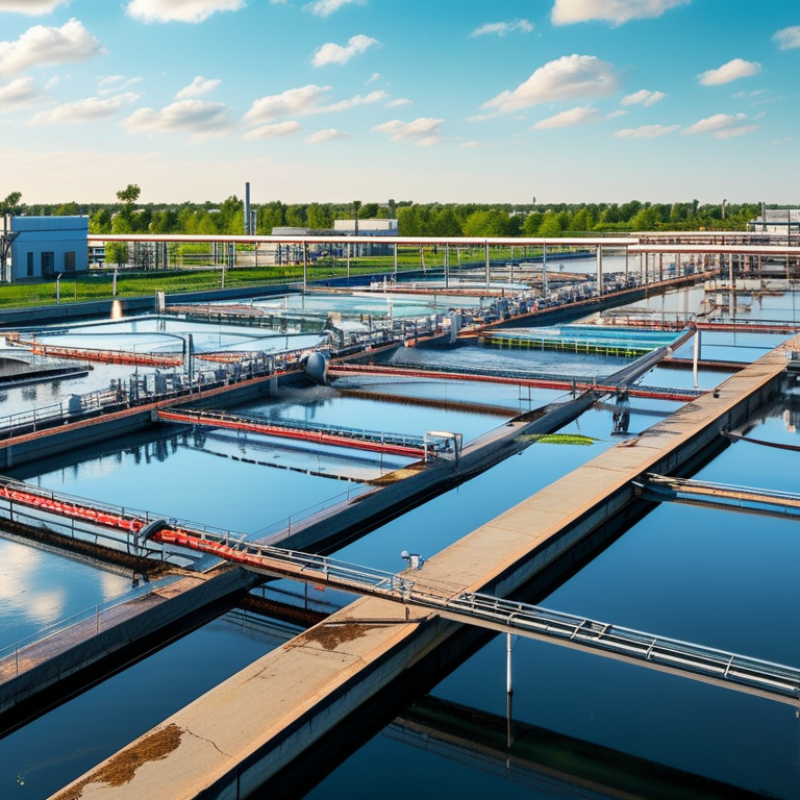
Overview of Water Treatment Plant Equipment and Its Importance
Water treatment plant equipment plays a vital role in ensuring safe and clean drinking water. Notably, the World Health Organization emphasizes that over 2 billion people lack access to safely managed drinking water. This highlights the urgent need for effective water treatment solutions.
The equipment used in water treatment plants includes filtration systems, chemical dosing units, and disinfection methods. Filtration systems can reduce contaminants significantly, often removing up to 99% of particles. Chemical treatments, such as flocculation, help aggregate contaminants. Yet, these processes may not cover all pollutants, raising concerns about emerging contaminants. Data from the American Water Works Association shows that 40% of water utilities face challenges in managing increasing contaminant levels.
Investing in sustainable technologies has become essential. The Global Water Intelligence report notes a shift toward advanced oxidation processes that can target hard-to-remove pollutants. However, the implementation of new technologies can be slow and expensive. Many plants still rely on outdated systems, which may not meet modern standards. This discrepancy calls for critical evaluation and updates in infrastructure.
Best Water Treatment Plant Equipment for Effective Purification
| Equipment Type | Function | Importance | Maintenance Frequency | Lifespan |
| Sedimentation Tank | Removes suspended solids via gravity | Essential for reducing turbidity | Monthly | 10-15 years |
| Filtration System | Removes dirt, debris, and microorganisms | Crucial for ensuring water quality | Weekly | 5-10 years |
| Chlorination System | Disinfects water by killing pathogens | Critical for public health | Daily | 5 years |
| Reverse Osmosis System | Removes dissolved solids and contaminants | Enhances water purity | Monthly | 10-15 years |
| UV Disinfection System | Uses UV light to eliminate microorganisms | Provides chemical-free disinfection | Bi-weekly | 5-7 years |
Key Components of Water Treatment Systems for Effective Purification
Water treatment systems are vital for ensuring safe drinking water. Key components play an essential role in effective purification. One major element is the filtration system. This system removes contaminants, such as sediments and microorganisms. According to the World Health Organization (WHO), the proper filtration can eliminate about 90% of harmful pathogens in water sources.
Chemical treatment is another critical component. Chlorination remains one of the most effective methods for disinfection. Studies show that 4.0 mg/L of chlorine can effectively kill protozoa. However, overuse may lead to by-products that are harmful to human health. Understanding the balance of chemical usage is important for optimal results.
Lastly, regular maintenance of equipment cannot be overlooked. Neglected machinery can cause system failures, leading to unsafe drinking water. A report by the American Water Works Association emphasizes that over 30% of water facilities face downtime due to equipment issues. Investing in quality components and routine checks is essential for reliability and safety. Understanding these aspects ensures that water treatment systems perform efficiently, fulfilling their purpose to protect public health.
Best Water Treatment Plant Equipment for Effective Purification
Advanced Technologies in Water Purification Equipment
Advanced technologies in water purification are transforming the landscape of water treatment. As global water scarcity increases, effective purification methods are vital. According to a report by the World Health Organization (WHO), 2 billion people lack access to safe drinking water. Innovative equipment is crucial for addressing this issue.
Ultrafiltration and reverse osmosis are notable techniques. Ultrafiltration removes larger particles while maintaining mineral balance. Reverse osmosis can eliminate dissolved solids and pathogens. These methods have been proven effective in various municipal plants, increasing water safety.
Tips: Regular maintenance of purification equipment is essential. Neglect can lead to reduced efficiency and contamination. Consider investing in advanced monitoring systems to detect inefficiencies early. New sensors can help ensure optimal operation. Re-evaluate current methods and stay updated on emerging technologies.
Some technologies may require high energy inputs. This poses a challenge for sustainable practices. Water treatment facilities must seek a balance between effectiveness and environmental impact. Focusing solely on the latest technology isn't always the best path; adaptability is key.
Factors to Consider When Choosing Water Treatment Equipment
When selecting water treatment equipment, several crucial factors must be considered. Water quality varies widely across different regions. Understanding the specific contaminants present in the water supply is essential. For instance, a 2022 report by the Water Quality Association highlighted that 40% of households in the U.S. have water quality issues. Choosing equipment tailored to these specific contaminants ensures effective purification.
The technology employed in the water treatment process matters as well. The effectiveness of filtration systems, UV disinfection, and chemical treatments can differ significantly. According to the American Water Works Association, advanced filtration systems can remove up to 99.9% of certain pathogens. However, these systems require regular maintenance and monitoring to maintain efficiency. Neglecting this can lead to a decline in water quality.
Cost is another significant factor. While high-end equipment may offer superior performance, budget constraints often dictate choices. A study from the Environmental Protection Agency shows that investment in reliable water treatment systems can yield long-term savings through reduced healthcare costs and lower water purification expenses. Striking a balance between initial costs and long-term benefits is a challenge. Each facility must assess its unique needs before making a decision.
Maintenance and Upkeep of Water Treatment Plant Equipment
Maintaining water treatment plant equipment is crucial for effective purification. Regular inspection ensures that all components function properly. Pay attention to pumps, filters, and valves. These parts are prone to wear and tear, requiring frequent checks. Daily monitoring helps identify issues before they escalate.
Incorporating a maintenance schedule promotes reliability. Staff should be trained to recognize signs of malfunction. For instance, strange noises from pumps can indicate a problem. Keeping a log of maintenance activities offers valuable insights. This practice helps teams reflect on past issues and adjust strategies accordingly.
Cleaning is another key aspect. Elements like sediment and biofilm can hinder equipment efficiency. Regular cleaning routines must address these challenges. However, inconsistencies in cleaning frequency can lead to unexpected downtime. Review processes regularly to enhance effectiveness and adapt as needed.