What Are the Benefits of Using Stretch Fabric in Apparel?
Stretch Fabric has revolutionized the apparel industry. Designers and consumers alike appreciate its versatility. This material adapts to various body shapes and movements, providing comfort and style.
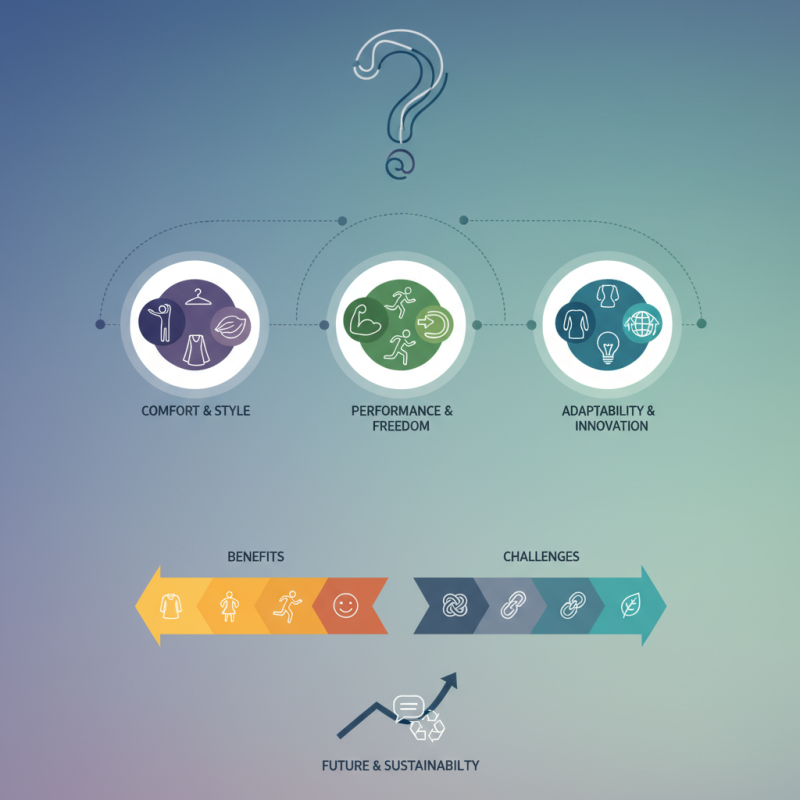
The benefits of stretch fabric extend beyond mere aesthetics. It offers a fit that enhances the wearer's silhouette. Whether in activewear or casual clothing, this fabric supports freedom of movement. Many people find it allows for greater flexibility in their daily activities. However, there are challenges in sourcing high-quality stretch fabric. Not all options on the market meet durability standards.
Incorporating stretch fabric into clothing can improve overall performance. It balances comfort with support in any design. As consumers demand innovative solutions, the popularity of stretch fabric continues to grow. However, the industry must address potential sustainability issues linked to synthetic materials. This ongoing dialogue is crucial for the future of fashion.
Benefits of Stretch Fabric in Apparel Design
Stretch fabric has transformed apparel design, adding both comfort and functionality. This type of fabric adapts to the body's movements, offering freedom and ease. Consider how activewear fits snugly yet comfortably. The design allows for a full range of motion during workouts, whether running or practicing yoga. Stretch fabric's elasticity hugs the wearer without feeling restrictive.
Moreover, its durability is notable. Fabrics like spandex retain their shape over time. This means garments remain flattering, avoiding sagging or bagging. Stretch fabric also enhances the overall aesthetic. Designers can create sleek silhouettes that accentuate the body’s curves.
However, there are challenges. Stretch fabrics can sometimes cling in unflattering ways if not designed properly. Finding the right balance between stretch and structure is crucial.
Another advantage is the ease of care. Stretch fabrics are often machine washable and dry quickly. This makes them ideal for modern lifestyles. Yet, sustainability can be a concern. Some stretch fabrics rely on synthetic materials, impacting the environment.
Designers should weigh these factors when selecting materials. Embracing stretch fabric can push creative boundaries, but understanding its limitations is essential.
Enhanced Comfort and Fit of Stretch Fabrics
Stretch fabrics have transformed the apparel industry, offering enhanced comfort and fit. These textiles, which typically blend materials like spandex with cotton or polyester, provide significant flexibility. According to a report by Market Research Future, the global stretch fabric market is expected to grow by over 7% annually. This growth reflects rising consumer demand for comfort in clothing.
The primary advantage of stretch fabrics is their ability to conform to body shapes. They move with the wearer, making activities like exercising or sitting more comfortable. Notably, the elasticity reduces the likelihood of clothing becoming restrictive. In an industry survey by the Textile World, 80% of consumers reported preferring stretch materials for daily wear. This preference highlights how essential comfort is in the modern wardrobe.
Despite these benefits, there are challenges with stretch fabrics. They can lose their shape over time, particularly if not cared for properly. Improper washing can lead to pilling or reduced elasticity. It’s crucial for manufacturers and consumers to consider care instructions. The balance between comfort and durability remains a topic for ongoing discussion. Understanding these nuances can help guide future developments in this dynamic market.
Increased Range of Motion with Stretch Fabric
Stretch fabric is revolutionizing the apparel industry by enhancing the range of motion for wearers. This fabric type allows for greater flexibility, which is crucial for both everyday activities and specialized sports. According to a report from the International Textile Manufacturers Federation, garments made with stretch materials can increase mobility by up to 50%, making them ideal for everything from yoga to running.
Garments that incorporate stretch fabric often fit better than traditional materials. A study in the Journal of Fashion Technology showed that designs using 2-way and 4-way stretch fabrics significantly improved the wearer's comfort and performance. This is especially important for athletes who rely on unrestricted movement.
Tips: When selecting stretch fabric, consider choosing blends that include both spandex and natural fibers for breathability. Always check the fabric's recovery rate; a good quality stretch fabric snaps back into shape consistently. Finally, don’t forget to test the fabric before purchasing; stretch may vary with different designs.
While the benefits are clear, some may find that certain stretch fabrics can wear out faster than traditional options. Regular washing and care are essential to maintain durability. The performance stretch fabric should give you freedom, but it’s always good to analyze its longevity.
Durability and Longevity of Stretch Apparel
Stretch fabric in apparel offers remarkable durability, making it a favorite among designers and consumers alike. The inherent elasticity provides a level of resilience that traditional fabrics often lack. This durability is particularly noticeable in activewear. It withstands intense movements and remains intact even after multiple washes. Users appreciate that their garments retain their shape over time.
However, not all stretch fabrics perform equally well. Some may lose elasticity or fade in color after repeated use, leading to disappointment. It's essential for consumers to choose garments carefully and pay attention to fabric compositions. Quality matters when it comes to longevity. Investing in higher-quality stretch materials can prevent premature wear and tear.
In addition to performance, stretch fabrics can enhance comfort. Their ability to move with the body provides a unique wearing experience. Yet, even the most durable fabrics need care. Proper washing and storage can extend the lifespan of these garments. Over time, users may discover that their favorite pieces hold up well, but neglect can lead to rapid deterioration. Understanding the relationship between care and longevity is crucial in truly benefiting from stretch apparel.
Versatility of Stretch Fabrics in Different Clothing Types
Stretch fabrics have revolutionized the apparel industry, offering unmatched versatility across different clothing types. According to a report by Grand View Research, the global stretch fabric market is projected to grow by over 15% annually. This growth stems from the increasing demand for comfort and performance in activewear, casual clothing, and even formal attire. Stretch fabrics, such as spandex and elastane, provide the elasticity needed for garments to fit various body shapes without losing their structure.
The adaptability of stretch fabrics is evident in diverse clothing categories. For example, in activewear, stretch materials enable free movement during workouts. In casual wear, they enhance comfort for all-day use. The fashion industry is increasingly incorporating these fabrics into dresses and tailored suits, responding to consumer demand for stylish yet practical clothing. Studies show that 70% of consumers prioritize comfort in their wardrobe choices, making stretch fabrics a preferred option.
Tips: When selecting stretch fabrics, consider the ratio of spandex or elastane. A higher percentage will provide more flexibility. Also, pay attention to care instructions, as some stretch materials may require special washing techniques to maintain their elasticity. Remember, choosing the right fabric can make a significant difference in how a garment feels and performs.