Top Benefits of Amino Acid Surfactants for Global Buyers?
The world of cleaning and cosmetic products is shifting towards safer and more effective solutions. One such innovation is the amino acid surfactant. These surfactants derive from natural sources, making them appealing to environmentally conscious consumers. They provide excellent cleansing properties while being gentle on the skin.
Amino acid surfactants are known for their mildness. They help in producing stable foam and enhance the texture of products. Buyers benefit from their ability to reduce irritation compared to traditional surfactants. As consumers demand better formulations, understanding amino acid surfactants becomes crucial for manufacturers.
However, not all amino acid surfactants are created equal. Buyers should consider sourcing from reputable suppliers to ensure quality. Reliability in supply chains is also important to maintain product consistency. As buyers navigate this evolving market, careful selection and awareness of these benefits can lead to better product development.
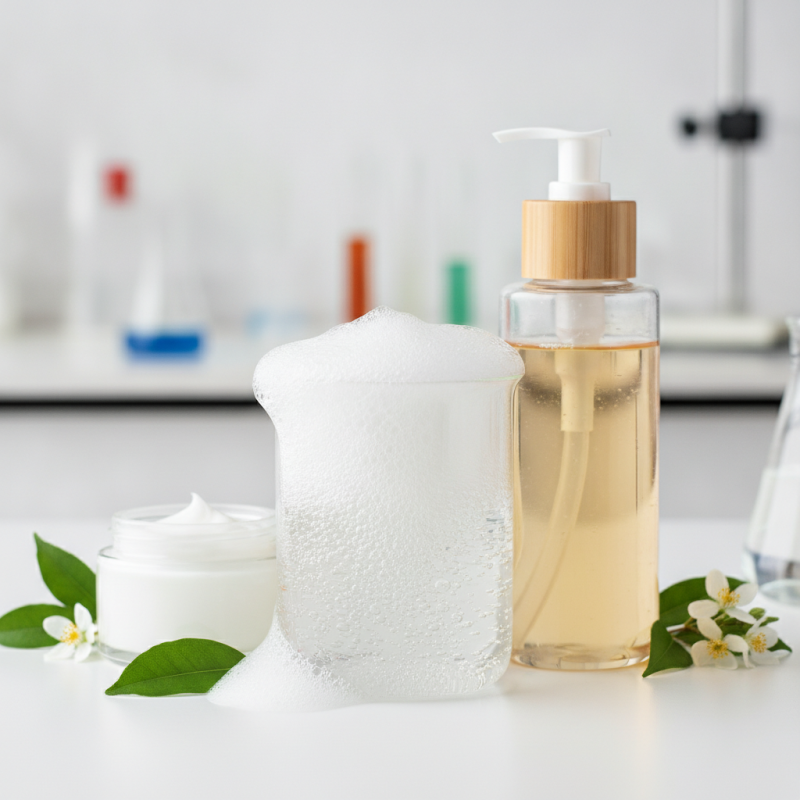
Overview of Amino Acid Surfactants and Their Composition
Amino acid surfactants are gaining attention in various industries. These surfactants are derived from natural sources, offering biodegradable options. Their structure consists of amino acids combined with fatty acids, creating a surfactant that is effective yet gentle. Reports indicate that global demand for biodegradable surfactants will reach USD 1.8 billion by 2025, reflecting a shift towards eco-friendly ingredients.
The unique composition of amino acid surfactants allows them to perform well in diverse applications. They exhibit excellent wetting and emulsifying properties. In personal care formulations, they are favored for their skin-friendly characteristics. Studies show that about 60% of consumers are now more willing to purchase products containing natural ingredients. Meanwhile, the market research firm is projecting that the personal care segment will grow at a compound annual growth rate (CAGR) of 5% over the next few years.
Despite their advantages, challenges remain. Sourcing high-quality raw materials can be difficult. Additionally, consumer awareness about the benefits of amino acid surfactants is still developing. Industry stakeholders must address misconceptions regarding efficacy compared to traditional surfactants. Enhanced education can elevate understanding of these innovative materials.
Key Advantages of Amino Acid Surfactants in Personal Care Products
Amino acid surfactants have gained popularity in personal care products due to their gentle nature. These surfactants derive from natural amino acids, making them skin-friendly. They effectively cleanse the skin and hair without stripping away essential moisture. This unique property sets them apart from traditional surfactants.
Additionally, amino acid surfactants enhance foam quality, creating a rich lather. This feature appeals to consumers seeking luxurious textures in their skincare routines. They also possess conditioning properties. This can lead to smoother skin and softer hair, providing added value to the end user.
Despite the benefits, it's worth noting that not all amino acid surfactants are the same. Some may not be as effective in hard water, which could limit their performance. Pricing can also vary significantly, impacting product affordability. Consumers should consider these factors when choosing products for their skincare.
Top Benefits of Amino Acid Surfactants in Personal Care Products
Environmental Sustainability and Safety Aspects of Amino Acid Surfactants
Amino acid surfactants are gaining attention for their environmental benefits. These surfactants are derived from natural sources, making them biodegradable. This helps reduce pollution in water bodies. Traditional surfactants often contain harmful chemicals that can disrupt ecosystems. In contrast, amino acid surfactants are safer for aquatic life. Their gentle nature makes them suitable for various applications, including personal care products.
Manufacturers are increasingly focusing on sustainability. Amino acid surfactants often have lower toxicity levels compared to synthetic alternatives. This aspect is crucial as consumers demand safer products. Additionally, these surfactants can perform effectively at lower concentrations. This means less product is needed, reducing waste. However, the sourcing of raw materials can raise questions about sustainability. It’s vital to ensure that the production processes do not harm local environments.
The shift towards amino acid surfactants is a positive step. Yet, it requires careful oversight. The industry must balance performance with safety. Ongoing research is essential to improve the understanding of these substances. This will help ensure they meet both ecological and consumer needs. As awareness grows, the role of amino acid surfactants in sustainability will likely expand.
Market Trends and Demand for Amino Acid Surfactants Worldwide
Amino acid surfactants have gained significant traction in recent years, driven by a growing awareness of their environmental benefits. According to a recent market analysis, the global amino acid surfactants market is projected to reach USD 600 million by 2025, with an estimated growth rate of 5.4%. This demand is largely fueled by their biodegradability and mildness, making them preferable for personal care, household products, and industrial applications.
Consumers increasingly seek sustainable alternatives, shifting preferences away from traditional synthetic surfactants. For instance, amino acid surfactants, derived from natural sources, show excellent performance in cleaning and emulsifying. This suggests a vast opportunity for manufacturers to innovate within eco-friendly product categories.
Tips: When exploring amino acid surfactants, consider their unique properties. Look for formulations that enhance skin compatibility. Evaluate sourcing practices to ensure sustainable supply chains. Always assess the certification of products for additional credibility.
The landscape is competitive, with ongoing research focusing on improving the efficiency of amino acid surfactants. Despite their advantages, challenges remain, such as cost and sourcing consistency. Balancing environmental benefits with manufacturing capabilities is vital for sustaining growth in this market. Engaging with experts can illuminate further insights and foster confidence in product choices.
Applications of Amino Acid Surfactants in Various Industries
Amino acid surfactants are gaining traction across various industries due to their eco-friendly properties and effectiveness. These surfactants are derived from natural sources, which makes them biodegradable and less harmful to the environment. According to a report by Research and Markets, the global amino acid surfactants market is projected to grow substantially, highlighting their increasing adoption in personal care and household products.
In the personal care sector, amino acid surfactants are valued for their mildness and skin compatibility. They provide gentle cleansing without stripping the skin of its natural oils. This characteristic is particularly beneficial for sensitive skin formulations and baby care products. Moreover, their foaming capabilities are comparable to traditional surfactants. A study published in the Journal of Surfactants and Detergents indicates that these surfactants can improve the texture and stability of formulations, which enhances consumer satisfaction.
In industrial applications, amino acid surfactants are utilized in textile and agricultural sectors. These surfactants enhance dye solubility and improve wetting properties in textile processing. Additionally, in agriculture, they serve as adjuvants to increase the effectiveness of pesticide formulations. While these benefits are evident, the cost of amino acid surfactants can be higher than synthetic alternatives. Industries need to weigh the eco-benefits against potential cost concerns when considering their formulations.
Top Benefits of Amino Acid Surfactants for Global Buyers
| Industry | Application | Key Benefits | Environmental Impact |
| Personal Care | Shampoos, body washes | Gentle cleansing, moisturizing properties | Biodegradable, less harmful to aquatic life |
| Household Cleaning | Laundry detergents, surface cleaners | Effective stain removal, low toxicity | Reduced environmental footprint |
| Food Industry | Emulsifiers in food products | Improved texture, stability | Natural origin, safer additives |
| Pharmaceuticals | Drug formulations | Enhanced solubility, bioavailability | Biocompatible, minimal side effects |
| Textiles | Fabric softeners | Softening, antistatic properties | Lower environmental impact compared to traditional surfactants |